


High Flow Cartridge Filter Housing
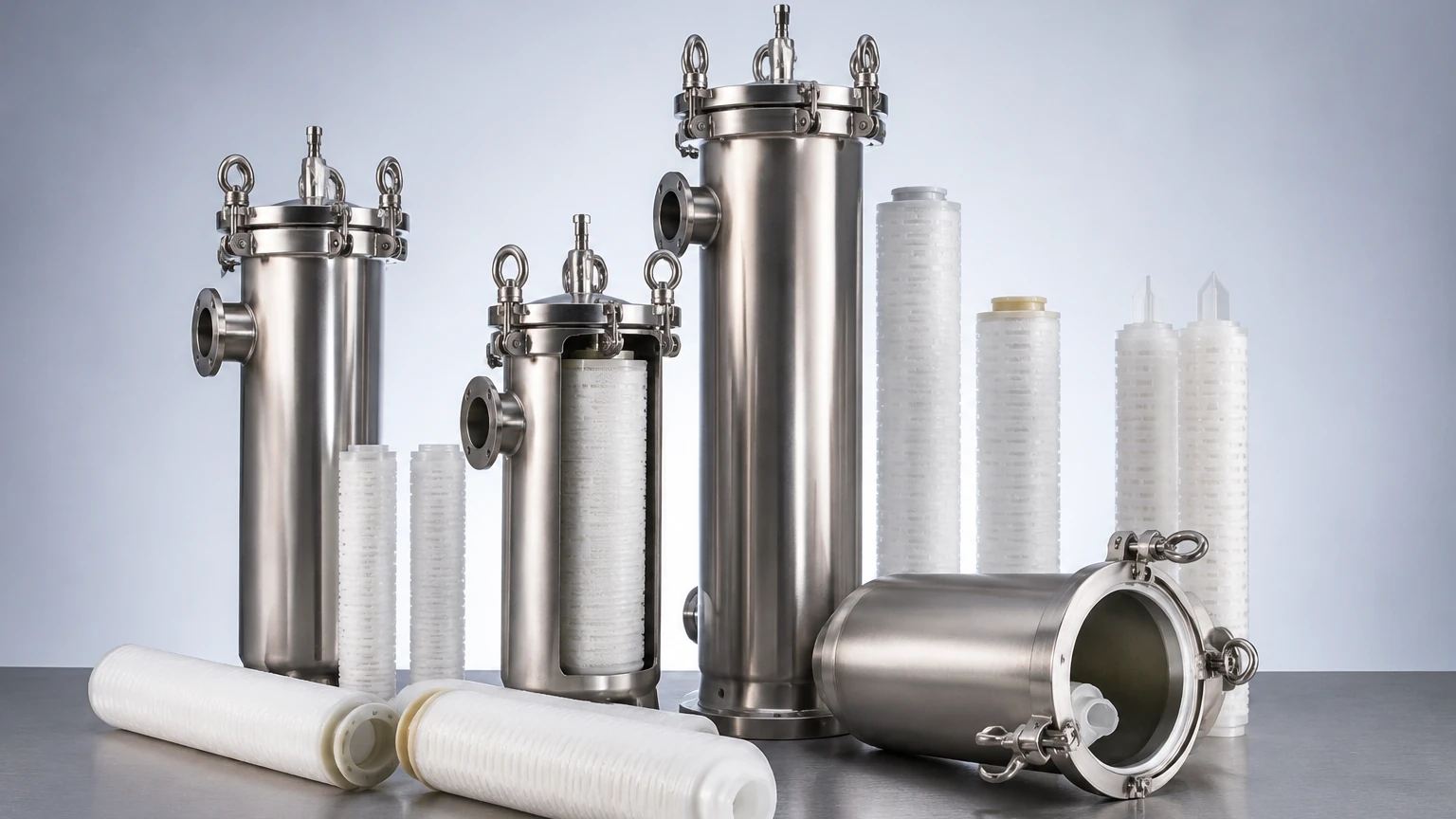
In industrial liquid filtration, high flow cartridge filter housings represent a significant engineering advancement over traditional multi-cartridge systems. These vessels are specifically designed to accommodate large-diameter filter elements—typically 6 inches (152 mm) in diameter—which allows for significantly higher flow rates per element. For engineers and facility managers in sectors such as chemical processing, water treatment, and power generation, the transition to high flow technology is often driven by the need to reduce system footprint, minimize downtime during maintenance, and lower the total cost of ownership.
A high flow cartridge filter housing is not merely a larger vessel; it is a precision-engineered component that must manage high hydraulic loads while ensuring a leak-proof seal and ease of operation. Understanding the technical nuances of these housings is essential for selecting a system that meets specific process requirements without compromising safety or efficiency.
Engineering Principles and Design Dynamics
The primary distinction of a high flow cartridge filter housing lies in its internal flow geometry. While standard cartridges typically utilize an outside-in flow path, many high flow designs employ an inside-out flow pattern. This design ensures that all captured contaminants remain trapped inside the cartridge, preventing them from spilling into the clean side of the housing during element removal.
From a structural perspective, these housings are typically fabricated from high-grade stainless steel, such as SS304 or SS316L. The choice of material depends heavily on the chemical nature of the fluid being processed. For instance, SS316L is preferred in pharmaceutical and food and beverage applications due to its superior resistance to pitting and crevice corrosion, particularly in the presence of chlorides.
The mechanical integrity of the housing is governed by international pressure vessel standards, most notably the ASME Boiler and Pressure Vessel Code. Industrial housings are usually rated for operating pressures of 150 psi (10 bar) or higher, with temperature ratings adjusted based on the seal materials and metal thickness. The internal surfaces are often treated with bead blasting or electropolishing to reach specific Ra (roughness average) values, ensuring that the vessel does not become a breeding ground for bacteria or a trap for residual chemicals.
Technical Specifications and Component Selection
When specifying a high flow cartridge filter housing, several critical components must be evaluated to ensure compatibility with the existing piping and process conditions:
Connection Types and Sizes
Industrial housings must integrate seamlessly into high-volume lines. Common connection types include ANSI/ASME flanges, NPT threads, or sanitary tri-clamp fittings. For high flow applications, inlet and outlet sizes typically range from 2 inches to 12 inches or more, depending on the number of cartridges housed within the vessel. Proper sizing of these connections is vital to prevent excessive fluid velocity, which can lead to erosion and increased pressure drop.
Closure Mechanisms
The method used to seal the housing lid significantly impacts maintenance speed and safety.
* Swing Bolt Closures: These are the industry standard for high-pressure applications. They provide a robust, secure seal and are durable enough for frequent opening and closing.
* V-Band Clamps: Often used in lower-pressure or smaller-scale high flow housings, these offer a quicker opening mechanism but may have lower pressure limits compared to swing bolts.
* Davit Arms: For large, multi-round housings, the lid can be extremely heavy. A davit arm or hydraulic lift mechanism is often integrated to allow a single operator to safely move the lid during filter changes.
Sealing Materials
The choice of O-rings and gaskets is a critical point of failure if not handled correctly. Common materials include EPDM, Nitrile (Buna-N), Viton (FKM), and Silicone. Selection must be based on the chemical compatibility with the process fluid and the maximum operating temperature. For example, Viton is often specified for hydrocarbon-based fluids and high-temperature applications, while EPDM is favored for water treatment and polar solvents.
Key Evaluation Criteria for Industrial Applications
Selecting the right high flow cartridge filter housing requires a thorough analysis of the process parameters. Engineers should focus on the following criteria to ensure optimal performance:
Flow Rate and Pressure Drop (ΔP)
The "clean" pressure drop is the resistance the housing and new filters offer to the fluid flow. A well-designed housing should minimize this resistance. It is standard practice to size the housing so that the initial pressure drop does not exceed 2-3 psi at the maximum design flow rate. This provides a larger "dirt-holding" window before the system reaches the terminal pressure drop (usually 20-35 psi), at which point the cartridges must be replaced.
Fluid Viscosity and Temperature
Viscosity has a direct impact on the pressure drop. Higher viscosity fluids require larger housings or more filter elements to maintain the desired flow rate without exceeding pressure limits. Similarly, temperature affects both the structural integrity of the stainless steel and the performance of the elastomeric seals. Engineers must confirm that the housing's pressure rating is derated appropriately for high-temperature operations.
Micron Rating and Filtration Efficiency
While the housing itself does not determine the filtration efficiency, it must be compatible with the specific high flow elements required for the task. Whether the application calls for 1-micron absolute filtration for RO pre-treatment or 100-micron nominal filtration for cooling water, the housing must provide a secure seating interface to prevent fluid bypass.
Operational Advantages: High Flow vs. Conventional Systems
The transition to high flow cartridge filter housings offers several tangible benefits that impact the bottom line of industrial operations:
1. Reduced Footprint: A single high flow cartridge can often replace up to 20 standard 2.5-inch cartridges. This allows the housing vessel to be significantly smaller in diameter than a multi-round conventional housing of the same capacity, saving valuable floor space in cramped plant environments.
2. Lower Labor Costs: Changing 40 or 50 standard cartridges is a labor-intensive process that can take hours. In contrast, replacing 3 or 4 high flow elements can be completed in a fraction of the time, reducing system downtime and labor expenses.
3. Minimized Disposal and Environmental Impact: Because high flow elements are designed for high dirt-holding capacity, the frequency of change-outs is reduced. This results in fewer spent cartridges requiring disposal, which is particularly important when dealing with hazardous waste or strict environmental regulations.
4. Improved Safety: Fewer elements and simpler closure mechanisms mean less manual handling for operators. Features like davit arms and horizontal housing orientations further enhance ergonomic safety during maintenance cycles.
Installation and Maintenance Best Practices
To ensure the longevity of a high flow cartridge filter housing, proper installation and a rigorous maintenance schedule are required.
Orientation Considerations
High flow housings can be mounted vertically or horizontally. Vertical housings are common for smaller systems, but for large-scale multi-round vessels, a horizontal orientation is often preferred. Horizontal mounting allows operators to change elements at waist height without the need for ladders or overhead cranes, and it simplifies the drainage of the vessel.
Monitoring and Instrumentation
Every industrial filter housing should be equipped with differential pressure gauges. Monitoring the pressure difference between the inlet and outlet is the only reliable way to determine when the filter elements are saturated. Additionally, installing vent valves at the highest point of the housing and drain valves at the lowest point is essential for safe air evacuation during startup and complete fluid removal during maintenance.
Cleaning and Passivation
For stainless steel housings, periodic cleaning is necessary to maintain the protective oxide layer (passivation). If the housing is used in corrosive environments, regular inspection for signs of pitting or stress corrosion cracking is recommended. For food-grade or pharmaceutical applications, the housing must be compatible with Clean-in-Place (CIP) or Steam-in-Place (SIP) protocols.
Customization and OEM Solutions
Standard off-the-shelf housings may not always meet the unique constraints of a specific industrial site. This is where customized filtration solutions become invaluable. Manufacturers like Kaifil specialize in tailoring stainless steel filtration components to meet exact engineering specifications.
Customization options often include:
* Unique Inlet/Outlet Configurations: Adjusting the nozzle positions to match existing piping layouts can save thousands in installation costs.
* Specialized Materials: Utilizing 904L stainless steel or Duplex alloys for highly corrosive brine or acidic applications.
* Integrated Skid Systems: Combining the high flow housing with pumps, valves, and control systems on a single portable frame.
* Precision Internal Components: Customizing the cartridge support plates and hold-down mechanisms to ensure a perfect fit for proprietary filter elements.
By working closely with a manufacturer that understands both the metallurgy and the fluid dynamics of filtration, purchasing teams can ensure they receive a vessel that is optimized for their specific application. For more information on technical specifications and custom engineering, you can visit the Main Page to explore professional filtration options.
Conclusion: Making an Informed Decision
The selection of a high flow cartridge filter housing is a critical decision that influences the efficiency and reliability of an entire industrial process. By focusing on material quality, pressure vessel standards, and ease of maintenance, engineers can implement a solution that provides long-term performance.
Before finalizing a purchase, it is essential to confirm all process variables—including flow rate, chemical compatibility, and spatial constraints—with the manufacturer. A well-specified housing not only protects downstream equipment but also contributes to a more sustainable and cost-effective filtration strategy. Whether for pre-filtration in desalination plants or final polishing in chemical manufacturing, the high flow housing remains a cornerstone of modern industrial fluid management.
