


High Pressure Filter Housing
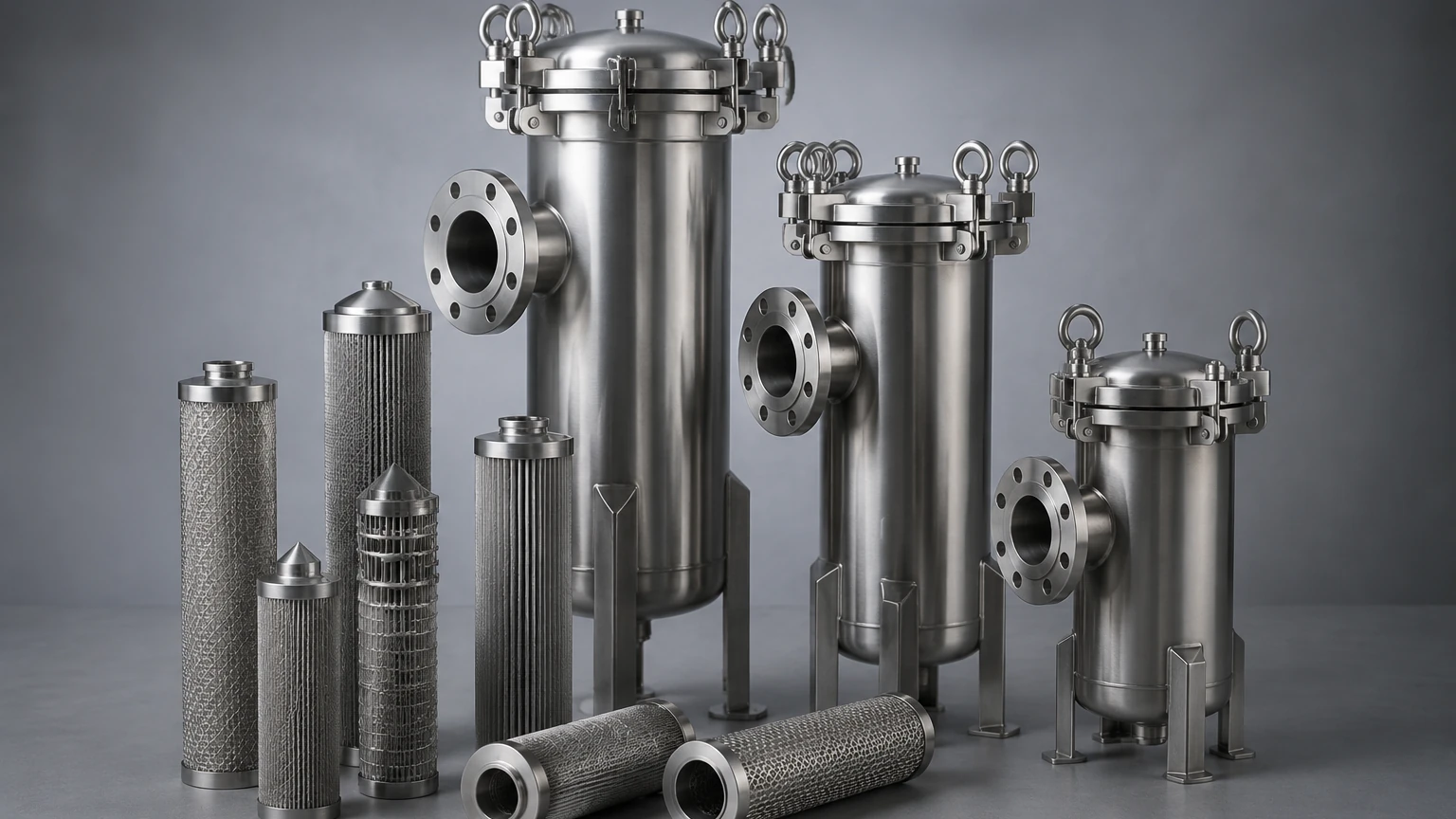
In industrial fluid systems, the integrity of downstream components—such as high-precision valves, pumps, and nozzles—depends heavily on the cleanliness of the process media. A high pressure filter housing serves as the primary containment vessel for filtration elements, designed specifically to withstand the mechanical stresses of elevated operating pressures. Unlike standard low-pressure housings, these components are engineered with robust wall thicknesses, specialized sealing mechanisms, and high-strength materials to ensure safety and performance in demanding environments like hydraulic systems, chemical processing, and oil and gas applications.
Selecting the correct high pressure filter housing requires a deep understanding of fluid dynamics, material science, and mechanical engineering standards. This article examines the technical considerations, design parameters, and selection criteria essential for engineers and purchasing teams seeking reliable filtration solutions.
Engineering Standards and Material Selection
The most critical aspect of a high pressure filter housing is its structural integrity. Because these vessels operate under significant internal pressure, they must be manufactured according to strict engineering codes, such as the ASME Boiler and Pressure Vessel Code or the European Pressure Equipment Directive (PED). These standards dictate the minimum wall thickness, welding procedures, and testing protocols required to prevent catastrophic failure.
Stainless Steel Construction
Stainless steel is the industry standard for high-pressure applications due to its excellent strength-to-weight ratio and inherent corrosion resistance.
* 304 Stainless Steel: Suitable for general industrial applications where moderate corrosion resistance is required. It is often used in hydraulic systems and non-corrosive fluid processing.
* 316L Stainless Steel: The preferred choice for chemical, pharmaceutical, and food and beverage industries. The addition of molybdenum provides enhanced resistance to pitting and crevice corrosion, particularly in chloride-rich environments. The "L" denotes low carbon content, which minimizes carbide precipitation during welding, ensuring the structural integrity of the housing joints.
Surface Finishing
For specialized industries like pharmaceutical or food processing, the internal surface finish of the housing is paramount. Electropolishing or mechanical polishing reduces surface roughness, preventing bacterial growth and ensuring that the housing can be effectively cleaned through CIP (Clean-in-Place) or SIP (Steam-in-Place) processes.
Design Features and Mechanical Integrity
A high pressure filter housing is more than just a metal cylinder; it is a precision-engineered assembly designed to facilitate efficient flow while maintaining a leak-proof seal under stress.
Sealing Mechanisms
At high pressures, traditional flat gaskets are often insufficient. Most high-pressure housings utilize O-ring seals seated in precision-machined grooves. The choice of O-ring material must be compatible with both the process fluid and the operating temperature. Common materials include:
* Viton (FKM): Excellent for high temperatures and chemical resistance.
* EPDM: Preferred for water-based fluids and steam applications.
* Nitrile (Buna-N): Standard for petroleum-based hydraulic oils.
Closure Types
The method used to secure the housing head to the bowl (or body) is a key safety feature. Threaded closures are common for smaller, high-pressure units, while bolted flange closures are used for larger industrial housings to distribute the mechanical load evenly. Some advanced designs incorporate quick-release swing bolts, which allow for faster element changes without sacrificing the pressure rating.
Porting and Connections
High-pressure housings typically feature NPT threaded ports, SAE O-ring boss ports, or high-pressure flanges. The port size must be carefully matched to the system's flow requirements to avoid excessive velocity, which can lead to turbulence and increased pressure drop.
Key Performance Indicators: Flow Rate and Pressure Drop
When integrating a high pressure filter housing into a system, engineers must calculate the Total Pressure Drop ($ΔP$). This is the sum of the pressure drop across the empty housing and the pressure drop across the filter element itself.
Understanding Housing ΔP
The geometry of the housing—specifically the inlet and outlet ports and the internal flow path—creates resistance. As flow velocity increases, the pressure drop increases exponentially. It is generally recommended to size the housing so that the initial pressure drop does not exceed 2-3 PSI (0.14-0.21 bar) at the maximum intended flow rate. This provides sufficient "headroom" for the filter element to load with contaminants before the system reaches its terminal pressure drop limit.
Viscosity Considerations
The viscosity of the fluid has a direct impact on performance. High-viscosity fluids, such as heavy lubricating oils or polymers, require larger housings or specialized internal designs to maintain acceptable flow rates without triggering bypass valves or damaging the filter media.
Selection Criteria for Industrial Applications
Choosing the right housing involves balancing performance requirements with cost and maintenance considerations. Engineers should confirm the following parameters before procurement:
1. Maximum Allowable Working Pressure (MAWP): The housing must be rated for the maximum surge pressure of the system, not just the nominal operating pressure. A safety factor (often 3:1 or 4:1) is typically built into the design.
2. Temperature Range: High temperatures can reduce the tensile strength of metals and cause seal degradation. Ensure the housing rating accounts for the maximum process temperature.
3. Fluid Compatibility: Beyond the housing material, ensure that all internal components, including springs, center posts, and seals, are chemically compatible with the media.
4. Filtration Accuracy: While the housing holds the element, the internal design must support the required micron rating. Precision-machined seats are necessary to prevent "fluid bypass," where unfiltered liquid escapes around the end caps of the filter cartridge.
For those evaluating specific technical specifications or seeking customized filtration components, visiting the Main Page provides access to detailed product data and engineering support.
Maintenance and Operational Safety
High-pressure systems carry inherent risks, making proper maintenance of the filter housing a safety priority.
Differential Pressure Monitoring
The most effective way to manage a high pressure filter housing is through differential pressure (ΔP) monitoring. By installing gauges at the inlet and outlet ports, operators can track the buildup of contaminants on the internal element. Most industrial systems are designed with a "dirty" or terminal ΔP setting (e.g., 25-50 PSI), at which point the element must be cleaned or replaced.
Venting and Drainage
Before opening a high-pressure housing for maintenance, the internal pressure must be completely relieved. High-quality housings include dedicated vent ports at the highest point and drain ports at the lowest point. Failure to properly vent the housing can result in the high-velocity ejection of fluid or mechanical components during disassembly.
Seal Inspection
Every time the housing is opened, the O-rings should be inspected for compression set, nicks, or chemical swelling. Replacing seals at regular intervals is a low-cost preventive measure that prevents costly system downtime due to external leaks.
Customization and OEM Solutions
In many industrial scenarios, off-the-shelf filter housings do not meet the unique spatial or functional requirements of a system. Customization allows for the optimization of port orientations, mounting brackets, and internal hardware to fit specific filter element geometries.
As a professional manufacturer, Kaifil specializes in developing custom stainless steel filtration solutions. Whether the application requires specialized wire mesh filters or precision-engineered cartridges, the housing must be designed in tandem with the filtration media to ensure a perfect fit and maximum efficiency. Custom OEM solutions are particularly valuable in sectors like hydraulic power units, where space is at a premium, or in chemical processing, where exotic seal materials or specific alloy grades may be required.
Conclusion
The high pressure filter housing is a foundational component in industrial fluid management. By focusing on robust material selection, adherence to engineering standards, and precise sizing based on flow and pressure drop, engineers can ensure the long-term reliability of their systems. Understanding the nuances of sealing, venting, and maintenance not only protects expensive downstream equipment but also enhances the overall safety of the industrial environment.
For comprehensive technical resources, product catalogs, and expert guidance on selecting the right filtration components for your specific application, please refer to the Main Page for further assistance and detailed specifications.
