


High Pressure Filter Press
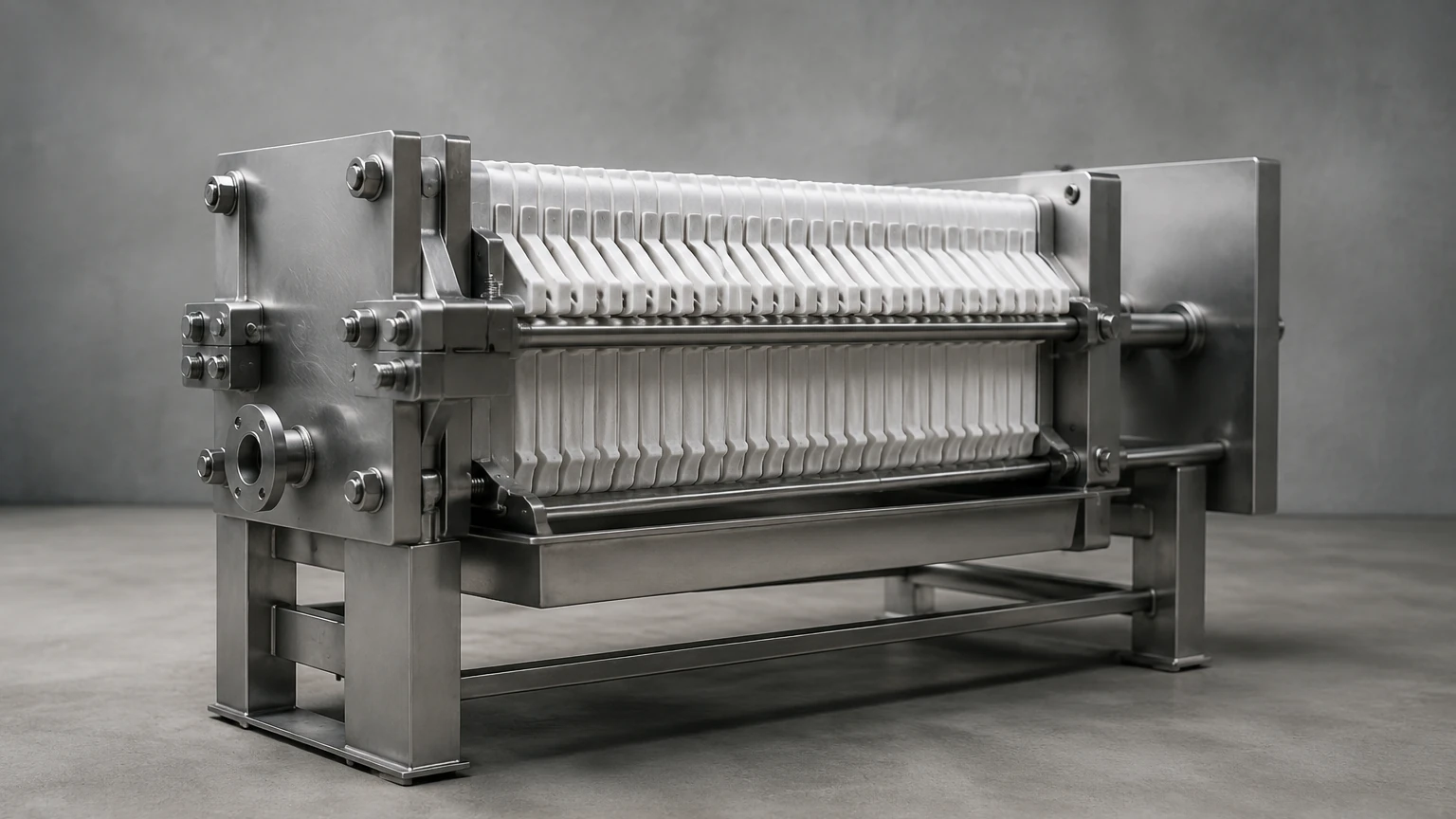
In industrial solid-liquid separation, the high pressure filter press stands as a critical component for achieving maximum dewatering efficiency. Unlike standard filtration systems that rely on gravity or low-pressure differentials, high-pressure systems utilize mechanical and hydraulic force to drive liquid through a filter medium, leaving behind a solid cake with significantly reduced moisture content. For engineers and procurement specialists, understanding the technical nuances of these systems—ranging from plate design to the selection of precision filtration media—is essential for optimizing process throughput and ensuring long-term equipment reliability.
As industries face increasing pressure to reduce waste volumes and recover valuable process fluids, the demand for robust filtration solutions has grown. Manufacturers like Kaifil specialize in the high-performance stainless steel components that support these demanding environments, ensuring that the filtration media can withstand the rigorous mechanical stresses inherent in high-pressure cycles.
Understanding the Mechanics of High Pressure Filter Press Systems
A high pressure filter press operates on a batch principle, where a series of filter plates are compressed together to form chambers. Slurry is pumped into these chambers under significant pressure, typically ranging from 7 bar (100 psi) to as high as 20 bar (290 psi) or more in specialized applications. The pressure forces the liquid (filtrate) through the filter cloth or mesh, while the solids are retained within the chamber.
The effectiveness of this process is governed by several mechanical factors:
1. Closing Force: To prevent leakage between plates at high internal pressures, a heavy-duty hydraulic cylinder provides the necessary clamping force. This ensures the integrity of the seal throughout the filtration cycle.
2. Feed Pressure: The pump used to deliver the slurry must be capable of maintaining high pressure as the cake builds up and resistance increases. Progressive cavity pumps or high-pressure centrifugal pumps are common choices.
3. Cake Formation: As solids accumulate on the filter medium, they eventually form a "pre-coat" that assists in the filtration of finer particles. The high pressure ensures that this cake is compacted, squeezing out interstitial moisture.
For technical teams evaluating these systems, the choice between recessed chamber plates and membrane squeeze plates is pivotal. Membrane plates allow for a secondary "squeeze" step, where air or water is used to expand a flexible membrane against the cake, further reducing moisture content beyond what initial pumping pressure can achieve.
The Role of Filtration Media in High-Pressure Environments
The heart of any high pressure filter press is the filtration medium. While synthetic cloths are common, many industrial applications involving high temperatures, corrosive chemicals, or abrasive slurries require the durability of metal components. This is where precision-engineered stainless steel wire mesh and filter cartridges become indispensable.
Stainless steel media, such as those provided by Kaifil, offer several advantages in high-pressure settings:
* Mechanical Strength: Unlike synthetic fibers that may stretch or blind under extreme pressure, stainless steel wire mesh maintains its pore geometry, ensuring consistent filtration accuracy.
* Thermal Stability: High-pressure processes often occur at elevated temperatures. Stainless steel components can operate in environments exceeding 250°C without loss of structural integrity.
* Chemical Compatibility: In chemical processing and pharmaceutical applications, the filtration media must resist degradation from solvents, acids, and bases. 316L stainless steel is frequently specified for its superior corrosion resistance.
When selecting media for a high pressure filter press, engineers must balance the micron rating with the flow rate requirements. A media that is too fine may lead to rapid blinding and excessive pressure drops, while a media that is too coarse will fail to capture the required solids, leading to poor filtrate quality.
Critical Engineering Parameters for System Selection
Selecting the right high pressure filter press involves more than just matching a flow rate. It requires a deep dive into the slurry characteristics and the desired final state of the filter cake. Key parameters include:
Slurry Concentration and Particle Size
The percentage of solids in the feed slurry dictates the volume of the filter chambers. Furthermore, the particle size distribution (PSD) determines the necessary filtration accuracy. If the slurry contains a high volume of sub-micron particles, a multi-stage filtration approach—perhaps utilizing stainless steel filter cartridges for polishing—may be required after the primary press cycle.
Cycle Time Requirements
A typical cycle includes filling, filtration, squeezing (if applicable), cake washing, and discharge. High-pressure systems are often chosen to shorten the filtration phase by accelerating the liquid transition through the cake. Engineers must calculate the total cycle time to determine the number of presses needed to meet daily production targets.
Cake Dryness and Disposal Costs
In many mining and wastewater applications, the cost of transporting and disposing of filter cakes is a major operational expense. A high pressure filter press that can achieve a 5% to 10% reduction in cake moisture compared to standard systems can result in significant annual savings in logistics and landfill fees.
Material Considerations: Stainless Steel and Alloy Integration
In the context of high-pressure filtration, the materials used for internal components, support structures, and auxiliary filters are just as important as the press itself. Kaifil’s expertise in custom stainless steel filtration solutions addresses the need for components that can survive the harsh conditions of a pressure cycle.
For instance, the inlet and outlet manifolds of a filter press are subject to high-velocity slurry flow, which can cause erosion. Utilizing hardened stainless steel or specialized wire mesh liners can extend the service life of these parts. Additionally, the use of precision metal filter components in the hydraulic lines and wash-water systems ensures that the entire machine operates without the risk of internal contamination or mechanical failure.
When designing or retrofitting a system, engineers should consult the Main Page to review the available material grades and customized designs that can be integrated into high-pressure workflows. The choice between 304, 316L, or even exotic alloys like Hastelloy depends entirely on the chemical nature of the filtrate and the cleaning protocols (such as Clean-In-Place or CIP) used by the facility.
Optimizing Cycle Times and Cake Dryness
To maximize the ROI of a high pressure filter press, operational optimization is required. This often involves fine-tuning the pressure ramp-up. Applying maximum pressure too quickly can cause "skinning," where a dense layer of solids forms immediately against the filter medium, blocking the flow of liquid from the rest of the slurry. A gradual increase in pressure allows for a more uniform cake structure.
Another factor is the use of cake washing. In industries like pharmaceutical manufacturing or precious metal recovery, the solids must be washed to remove impurities or recover dissolved products. High-pressure washing ensures that the wash liquid penetrates the entire cake uniformly, leading to higher purity levels and better recovery rates.
Maintenance, Durability, and Total Cost of Ownership
The total cost of ownership (TCO) for a high pressure filter press includes the initial capital expenditure, energy consumption, and ongoing maintenance. Because these machines operate under extreme stress, a proactive maintenance schedule is non-negotiable.
1. Plate Inspection: Over time, the sealing surfaces of filter plates can wear or warp. Regular inspection prevents blowouts, which can be dangerous in high-pressure operations.
2. Filter Media Replacement: Even the most durable stainless steel mesh will eventually require cleaning or replacement. Monitoring the pressure differential across the media helps in predicting when a cleaning cycle is necessary.
3. Hydraulic System Care: The hydraulic oil must be kept clean and at the correct temperature to ensure the clamping force remains consistent. Precision hydraulic filters are essential for protecting the pumps and valves from particulate wear.
By investing in high-quality components from the outset, such as custom-designed stainless steel filter cartridges and mesh, operators can extend the intervals between major overhauls and reduce the frequency of unplanned downtime.
Industrial Applications of High Pressure Filtration
The versatility of the high pressure filter press makes it a staple in several demanding sectors:
* Chemical Processing: Used for the separation of pigments, catalysts, and intermediate chemicals where purity and dry solids are required for downstream processing.
* Mining and Metallurgy: Essential for dewatering tailings and recovering concentrates. The high pressure is necessary to handle the heavy, abrasive solids found in mineral slurries.
* Food and Beverage: Employed in the production of edible oils, juices, and syrups. In these applications, stainless steel construction is mandatory to meet food safety standards and allow for high-temperature sterilization.
* Wastewater Treatment: High-pressure presses are used to treat industrial sludge, reducing the volume of waste and producing a cake that is often dry enough for incineration or composting.
Conclusion
The high pressure filter press is a powerhouse of industrial separation, providing the force necessary to overcome the resistance of dense slurries and fine particles. For engineers, the success of these systems depends on a holistic approach that considers mechanical design, slurry rheology, and the selection of high-performance filtration media. By utilizing durable materials and precision-engineered components, facilities can achieve superior dewatering results while maintaining a low total cost of ownership.
For those seeking specialized filtration components to support high-pressure applications, exploring the technical resources and product offerings on the Kaifil Main Page provides a foundation for informed decision-making. Whether it is custom wire mesh filters or precision stainless steel cartridges, the right filtration media is the key to unlocking the full potential of high-pressure separation technology.
