


Hydraulic Filtration Cart
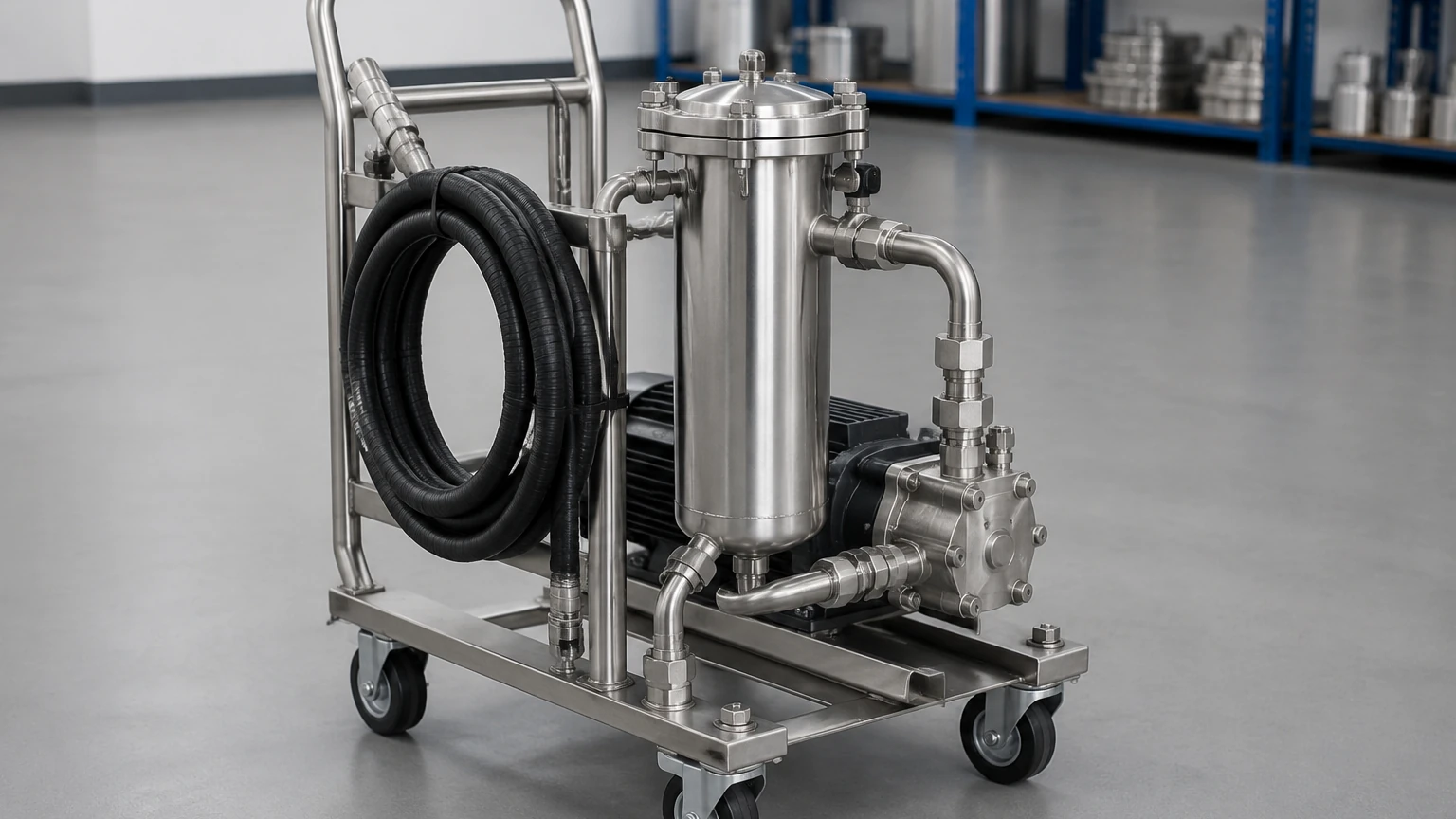
In modern industrial environments, the reliability of hydraulic systems is directly proportional to the cleanliness of the fluid circulating within them. Particulate contamination is widely recognized as the leading cause of component wear and system failure in hydraulic and lubrication circuits. To combat this, engineers and maintenance professionals utilize the hydraulic filtration cart—a mobile, self-contained unit designed to provide off-line filtration, fluid transfer, and system flushing.
Unlike fixed filtration systems integrated into a machine's primary circuit, a hydraulic filtration cart offers the flexibility to treat multiple systems or perform high-volume fluid cleaning during maintenance intervals. This guide explores the technical specifications, engineering considerations, and selection criteria essential for integrating these units into a professional maintenance strategy.
The Role of Hydraulic Filtration Carts in Industrial Maintenance
The primary function of a hydraulic filtration cart is to achieve and maintain specific ISO 4406 cleanliness codes. These codes quantify the number of particles at various micron levels within a fluid sample. Most hydraulic systems require a cleanliness level that standard on-board filters may struggle to maintain, especially during the "break-in" period of new machinery or following a major component failure.
Off-line Filtration (Kidney Loop)
One of the most effective uses of a hydraulic filtration cart is "kidney loop" filtration. In this configuration, the cart draws fluid from the reservoir, passes it through high-efficiency filter elements, and returns it to the same reservoir. This process occurs independently of the main hydraulic system's operation. Because the cart operates at a constant flow rate and lower pressure than the main system, the filter elements can achieve higher efficiency and longer service life, effectively "polishing" the oil to a level that on-board filters cannot reach alone.
Fluid Transfer and Pre-filtration
New oil is rarely clean oil. When delivered in drums or totes, hydraulic fluid often contains contaminants from the refining process or the container itself that exceed the tolerances of sensitive hydraulic valves and pumps. A hydraulic filtration cart is used to transfer new fluid into the system reservoir, ensuring that every drop is filtered to the required specification before it enters the machine. This proactive approach prevents the introduction of "built-in" contamination.
Engineering Considerations for Filter Elements
The heart of any hydraulic filtration cart is the filter element. For industrial applications, especially those involving aggressive chemicals or high temperatures, the choice of filter media is critical. As a specialized manufacturer of stainless steel filtration solutions, Kaifil emphasizes the importance of material selection in ensuring long-term performance and durability. For more information on custom filtration components, you can visit our Main Page.
Stainless Steel Wire Mesh vs. Synthetic Media
While cellulose or synthetic glass fiber media are common for standard applications, stainless steel wire mesh filters offer distinct advantages in demanding industrial environments:
- Chemical Compatibility: Stainless steel is resistant to a wide range of hydraulic fluids, including fire-resistant phosphate esters and water-glycols, which can degrade synthetic binders.
- Temperature Resistance: Metal filter elements maintain structural integrity at temperatures that would cause synthetic media to soften or fail.
- Cleanability: Unlike disposable elements, stainless steel mesh can often be cleaned and reused, reducing the total cost of ownership in high-contamination environments.
- Structural Strength: Stainless steel elements can withstand higher differential pressures (ΔP) without collapsing, providing a safety margin during cold starts or high-viscosity operations.
Filtration Accuracy and Micron Ratings
When selecting a hydraulic filtration cart, engineers must distinguish between nominal and absolute micron ratings. A nominal rating indicates the filter's ability to trap a percentage of particles of a given size, whereas an absolute rating (often defined by a Beta ratio of βx ≥ 200 or 1000) indicates a much higher efficiency. For precision hydraulic systems, absolute-rated elements are necessary to protect components like servo valves and high-pressure piston pumps.
Key Performance Metrics and Selection Criteria
Selecting the right hydraulic filtration cart requires an analysis of several technical parameters to ensure the unit is matched to the specific needs of the facility.
Flow Rate and Fluid Viscosity
The flow rate of the cart must be balanced against the viscosity of the fluid being filtered. If the flow rate is too high for a high-viscosity oil (such as ISO VG 68 or 100), the pressure drop across the filter element will increase rapidly, potentially triggering the bypass valve and allowing unfiltered oil to circulate. Many professional-grade carts feature heavy-duty gear pumps capable of handling a range of viscosities, but the pump-motor combination must be sized correctly for the intended application.
Beta Ratio and Efficiency
The Beta ratio (β) is the standard method for expressing filter efficiency based on multi-pass testing (ISO 16889). A filter with a β10 = 1000 means that for every 1000 particles of 10-micron size entering the filter, only one passes through. When evaluating a hydraulic filtration cart, engineers should look for high Beta ratios at the target micron level to ensure rapid cleanup of the system.
Dirt-Holding Capacity (DHC)
DHC refers to the amount of contaminant a filter element can retain before the pressure drop reaches the change-out point. A higher DHC means fewer filter changes and lower operating costs. This is particularly important when using a cart to clean up a heavily contaminated system after a catastrophic component failure.
Fluid Compatibility and Material Selection
Industrial hydraulic systems use a variety of fluids, each with unique chemical properties. A hydraulic filtration cart must be compatible with the fluid it intends to process to prevent seal failure or media degradation.
1. Standard Mineral Oils: Most carts are equipped with Buna-N (Nitrile) seals, which are suitable for standard petroleum-based hydraulic fluids.
2. Phosphate Esters: Common in power generation and aerospace, these fluids require Viton (FKM) or Ethylene Propylene (EPDM) seals and often benefit from stainless steel filter media due to the fluid's aggressive nature.
3. Water-Glycols: Used in fire-hazard environments, water-glycols require materials that resist corrosion. Stainless steel wire mesh and nickel-plated components are often specified for these applications.
4. Food Grade Fluids: In the food and beverage industry, the filtration cart must utilize food-grade lubricants for the pump and stainless steel housings to meet hygiene standards.
Operational Best Practices and Common Risks
To maximize the effectiveness of a hydraulic filtration cart, certain operational protocols should be followed. Failure to do so can result in inefficient filtration or even damage to the system being serviced.
Monitoring Differential Pressure
Every filtration cart should be equipped with a differential pressure gauge or indicator. This device monitors the pressure drop across the filter element. As the element loads with contaminants, the pressure drop increases. Operating a cart with a clogged filter not only reduces flow but can also lead to the opening of the bypass valve, rendering the filtration process useless.
Avoiding Air Entrainment
When connecting a cart to a reservoir, it is vital to ensure that the suction and return lines are submerged below the fluid level. If the return line is above the fluid level, it can cause splashing and aeration, leading to air entrainment in the hydraulic fluid. Entrained air causes cavitation in pumps and reduces the bulk modulus of the fluid, leading to spongy operation and increased heat generation.
Sampling and Verification
Filtration should not be performed blindly. Utilizing integrated particle counters or taking manual fluid samples for lab analysis allows engineers to verify that the target ISO cleanliness code has been reached. This data-driven approach ensures that the hydraulic filtration cart is used effectively and that the system is truly protected.
Customization for Specific Industrial Applications
Standard off-the-shelf filtration carts may not meet the requirements of specialized industrial sectors. Customization is often necessary to address unique environmental or performance challenges.
OEM and Custom Design Capabilities
For manufacturers of hydraulic power units (HPUs) or large-scale industrial machinery, integrating a custom-designed filtration solution can provide a competitive advantage. Customization options include:
- Housings: Specialized stainless steel filter housings designed for high-pressure or high-flow requirements.
- Porting: Custom inlet and outlet configurations to match existing system connections.
- Portability: Carts designed for specific footprints, including slim-line designs for tight factory aisles or ruggedized versions for outdoor mining and construction sites.
- Automation: Integration of smart sensors that can log cleanliness data and automatically shut off the cart once the target ISO code is achieved.
Kaifil works closely with global customers to develop these types of high-performance filtration components, ensuring that the filter media and structure are optimized for the specific demands of the application.
Total Cost of Ownership and Maintenance
When evaluating the investment in a hydraulic filtration cart, technical teams must look beyond the initial purchase price and consider the Total Cost of Ownership (TCO).
Filter Element Replacement Cycles
The cost of replacement elements is a significant portion of the TCO. While high-efficiency synthetic elements provide excellent filtration, they are disposable. In contrast, stainless steel mesh elements, while having a higher initial cost, may offer a lower TCO over time due to their cleanability and durability in harsh conditions.
Component Longevity
A well-engineered cart uses high-quality pumps and motors designed for continuous duty. Cheaper units often use light-duty components that fail prematurely when subjected to the high-viscosity fluids or long run times required for effective system flushing. Investing in a robust unit reduces long-term maintenance costs and ensures the cart is available when needed.
Impact on Downstream Costs
The most significant financial benefit of using a hydraulic filtration cart is the reduction in downstream costs. By maintaining fluid cleanliness, the service life of expensive hydraulic components—such as pumps, motors, and valves—can be extended by two to ten times. Furthermore, clean fluid reduces the frequency of oil changes, leading to substantial savings in fluid procurement and disposal costs.
Conclusion
The hydraulic filtration cart is an indispensable tool for any facility that relies on hydraulic power. By providing a versatile and effective means of controlling fluid contamination, these units protect critical infrastructure and reduce unplanned downtime. When selecting a cart, engineers must prioritize technical specifications such as filtration accuracy, material compatibility, and structural durability.
Whether for routine fluid transfer or intensive system cleanup, the effectiveness of the cart depends on the quality of its filtration components. By choosing advanced materials like stainless steel wire mesh and ensuring the unit is matched to the specific fluid and environmental conditions, maintenance teams can achieve superior filtration performance and a healthier bottom line. For technical support in selecting the right filtration components or to discuss custom OEM solutions, reviewing professional resources on the Main Page is a recommended next step for engineering and purchasing teams.
