


Industrial Recycling Dewatering Screens
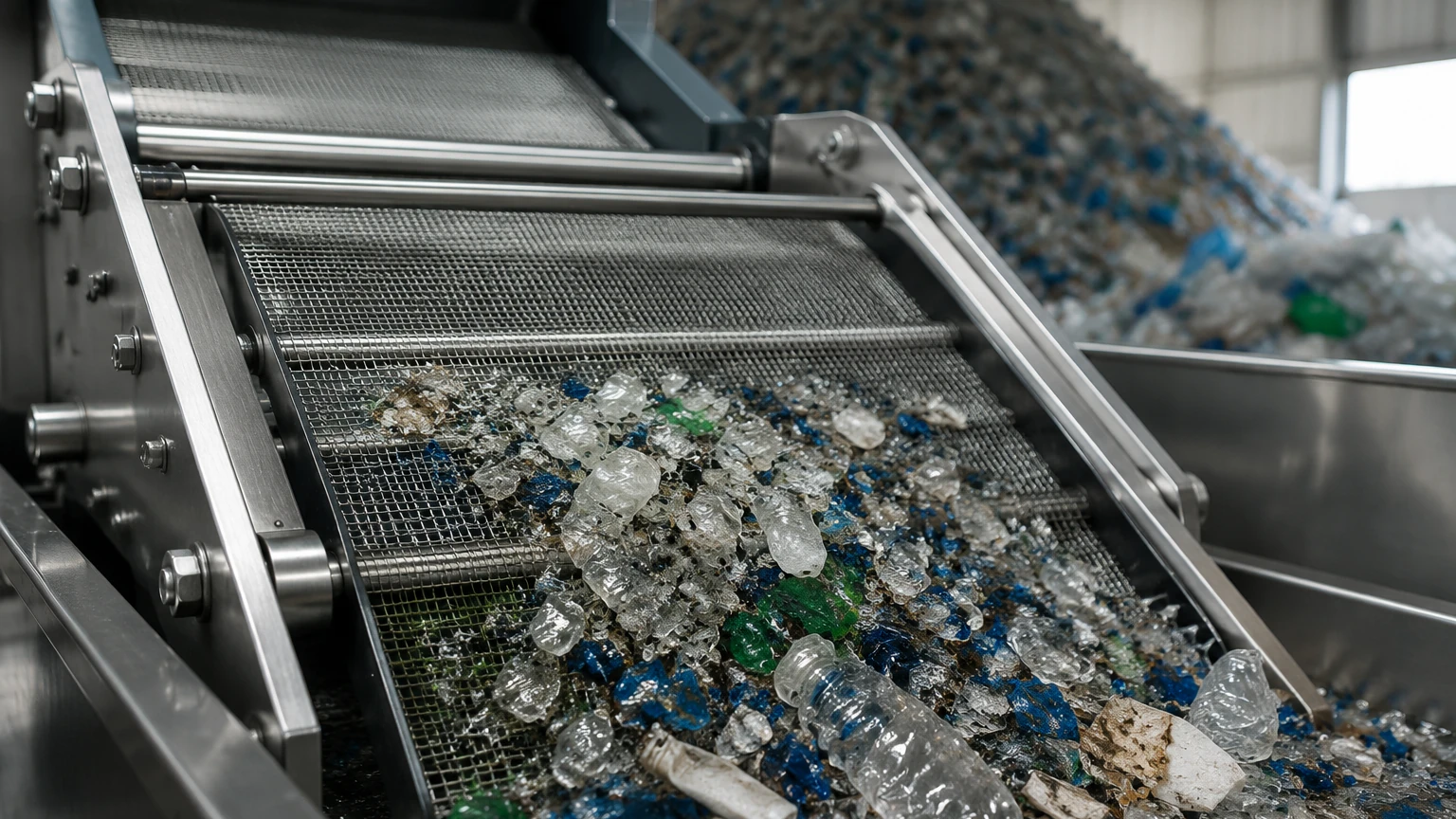
In the landscape of modern waste management and material recovery, industrial recycling dewatering screens serve as a critical juncture between raw waste processing and high-value material reclamation. These systems are engineered to separate liquids from solids, reducing the moisture content of recycled materials such as plastics, minerals, crushed glass, and organic waste. For engineers and facility managers, the efficiency of this process directly impacts the transport costs, downstream processing energy requirements, and the ultimate purity of the recycled product.
Effective dewatering is not merely a matter of gravity; it involves a complex interplay of vibration dynamics, screen media selection, and material science. As a specialized manufacturer of stainless steel filtration components, Kaifil understands that the durability and precision of the screen media are the primary determinants of a dewatering system's long-term ROI. This guide explores the technical considerations, engineering specifications, and selection criteria essential for optimizing industrial recycling dewatering screens.
The Engineering Principles of Dewatering Screens
Industrial recycling dewatering screens operate on the principle of high-frequency vibration combined with a specific deck inclination. Unlike standard sizing screens, which are designed to categorize materials by volume, dewatering screens are specifically configured to create a "filter cake" or a bed of material that acts as its own secondary filtration layer.
Vibration Dynamics and G-Force
To overcome the surface tension of liquids clinging to recycled particles, dewatering screens typically employ linear motion vibrators. These motors generate high G-forces (often between 3G and 6G) that drive the liquid through the screen apertures while conveying the solids forward. The linear motion causes the material to pool at the feed end, creating a deep bed. This bed depth is crucial as it forces the liquid to penetrate through the material layer and the screen media, while the vibration keeps the apertures clear of near-size particles.
Deck Inclination and Pool Formation
Most industrial dewatering screens are designed with an upward-sloping deck, typically at an angle of 3 to 5 degrees. This uphill configuration creates a "pool" at the back of the screen. The hydrostatic pressure generated in this pool assists in pushing water through the screen media. As the solid material is vibrated up the incline, gravity and vibration continue to strip away residual moisture, resulting in a discharge that is dry enough for immediate transport or further processing.
Material Selection for Industrial Recycling Environments
The choice of material for the screen media is perhaps the most significant decision in the design of industrial recycling dewatering screens. In recycling environments, the media is subjected to abrasive particles, corrosive chemicals (especially in plastic washing or chemical recycling), and constant mechanical stress.
Stainless Steel: The Industrial Standard
Stainless steel is the preferred material for high-performance dewatering applications. Unlike polymer-based screens, stainless steel offers superior open area ratios and mechanical strength.
1. Corrosion Resistance: In applications involving food waste recycling or chemical processing, 304 or 316L stainless steel provides the necessary resistance to oxidation and chemical attack.
2. Structural Integrity: Stainless steel wire mesh and wedge wire can withstand the high G-forces of dewatering without stretching or deforming, which ensures consistent filtration accuracy over time.
3. Thermal Stability: For recycling processes that involve hot wash cycles or steam cleaning, metal filters maintain their tension and aperture size where plastics might soften or fail.
For more information on customized stainless steel filtration components and material specifications, you can visit our Main Page.
Filtration Accuracy and Media Configurations
Selecting the correct aperture size and media type is a balancing act between solids recovery and liquid throughput. In industrial recycling, the goal is often to capture the maximum amount of fine solids while ensuring the liquid is clean enough for filtration or reuse.
Wedge Wire vs. Woven Wire Mesh
Two primary types of stainless steel media are used in industrial recycling dewatering screens:
* Wedge Wire (Profile Wire): This consists of V-shaped wires welded to support rods. The V-shape creates a widening gap that prevents "pegging" (particles getting stuck in the opening). Wedge wire is exceptionally robust and is ideal for heavy-duty recycling streams like glass or metal recovery.
* Woven Wire Mesh: For finer dewatering requirements, such as recovering micro-plastics or fine mineral powders, woven wire mesh offers higher precision and a greater percentage of open area. Kaifil specializes in precision-woven mesh that can be reinforced with support layers to handle the rigors of vibratory dewatering.
The Importance of Open Area
Open area refers to the percentage of the screen surface that consists of holes. A higher open area increases the volume of liquid that can pass through the screen per hour. However, increasing the open area often requires thinner wires, which can reduce the lifespan of the screen. Engineering a custom solution involves calculating the optimal wire diameter to aperture ratio to ensure both high throughput and durability.
Addressing Common Challenges: Blinding and Pegging
One of the primary failure modes for industrial recycling dewatering screens is the reduction of effective open area due to blinding or pegging.
* Blinding: This occurs when moisture and fine particles create a film over the screen surface, preventing liquid from passing through. This is common in recycling streams with high clay or organic content.
* Pegging: This happens when near-size particles become wedged in the screen openings.
To mitigate these issues, engineers often specify self-cleaning screen designs. In stainless steel configurations, this may involve specialized weave patterns or the use of "bouncing balls" or ultrasonic cleaners beneath the screen deck. Furthermore, the inherent smoothness of polished stainless steel helps reduce the adhesion of sticky materials, maintaining a higher effective open area for longer periods than rougher synthetic materials.
Customization and OEM Solutions for Recycling Equipment
Every recycling facility has unique operational parameters. A dewatering screen used in a PET bottle washing line faces different challenges than one used in a construction and demolition (C&D) waste recovery plant.
Custom Geometry and Fitting
As an OEM manufacturer, Kaifil provides customized filtration components tailored to specific machine footprints. This includes:
* Reinforced Edges: To prevent fraying and ensure a secure fit within the vibratory frame.
* Custom Tensioning Systems: Ensuring the mesh remains taut is critical for even vibration distribution.
* Multi-Layered Laminates: Combining a fine filtration mesh with a heavy-duty support mesh for applications requiring both precision and strength.
Engineering Collaboration
When purchasing replacement screens or designing new recycling equipment, it is vital to confirm the specific gravity of the solids, the viscosity of the liquid, and the expected particle size distribution. Technical collaboration during the design phase allows for the optimization of wire diameters and alloy selections that can significantly extend the replacement cycle of the screen media.
Maintenance and Total Cost of Ownership (TCO)
While the initial cost of high-quality stainless steel media for industrial recycling dewatering screens may be higher than synthetic alternatives, the Total Cost of Ownership is often lower. Factors contributing to a lower TCO include:
1. Reduced Downtime: Stainless steel screens require less frequent replacement and are easier to clean using high-pressure washdowns or chemical agents.
2. Energy Efficiency: A more efficient dewatering process results in lighter material loads for transport and less energy required for thermal drying stages.
3. Product Quality: Finer and more consistent separation leads to a higher-quality recycled end-product, which commands a better price in the market.
Maintenance protocols should include regular inspections for wire wear, tension loss, and frame integrity. In high-abrasion recycling environments, such as glass cullet processing, monitoring the thickness of the screen wires can help predict failure before it causes a process stoppage.
Conclusion
Industrial recycling dewatering screens are indispensable tools in the quest for efficient material recovery. By focusing on the engineering fundamentals of vibration, material selection, and screen media design, recycling facilities can achieve superior separation performance and operational longevity.
Kaifil remains committed to providing the precision-engineered stainless steel filtration solutions required to meet these demanding industrial standards. From material selection to custom OEM manufacturing, our expertise ensures that your dewatering processes are optimized for both performance and durability. For technical specifications and to explore our full range of filtration components, please refer to our Main Page.
