


Oil Dehydration Process
In industrial lubrication and hydraulic systems, water is one of the most destructive contaminants. Whether it enters a system through seal leakage, atmospheric condensation, or cooler failure, its presence compromises the chemical stability of the oil and the physical integrity of mechanical components. The oil dehydration process is a critical maintenance and engineering protocol designed to remove water in its various forms—free, emulsified, and dissolved—to maintain fluid performance and extend the service life of high-value machinery.
For engineers and maintenance professionals, understanding the mechanics of the oil dehydration process is essential for selecting the right filtration hardware and establishing effective fluid management programs. This guide examines the technical aspects of dehydration technologies, the role of precision filtration components, and the engineering considerations necessary for optimal system performance.
The Critical Need for Oil Dehydration in Industrial Systems
Water contamination leads to a cascade of mechanical and chemical failures. Even small amounts of water, often measured in parts per million (ppm), can significantly reduce the load-carrying capacity of the oil film, leading to metal-to-metal contact. The consequences of failing to implement a robust oil dehydration process include:
* Hydrogen Embrittlement: Water can release hydrogen ions that penetrate metal surfaces, causing micro-cracks and eventual fatigue failure in bearings and gears.
* Oxidation and Acid Formation: Water acts as a catalyst for oil oxidation. This process creates sludge, varnish, and organic acids that corrode yellow metals and compromise seal materials.
* Additive Depletion: Many performance additives, such as anti-wear agents and antioxidants, are polar. They can be washed out of the oil or chemically altered by the presence of water, leaving the base oil unprotected.
* Microbial Growth: In certain environments, water provides the necessary medium for bacteria and fungi to thrive, leading to filter plugging and foul odors.
Physical States of Water in Lubricants and Hydraulic Fluids
Effective dehydration requires an understanding of how water exists within the oil. The oil dehydration process must be tailored to the specific state of the contaminant:
1. Free Water: This is water that has exceeded the oil's saturation point and settled at the bottom of a reservoir or remains suspended in large droplets. It is the easiest to remove via gravity or centrifugal force.
2. Emulsified Water: When oil and water are subjected to high shear forces (such as in a pump), the water breaks into microscopic droplets that are held in suspension by the oil's chemistry. This creates a milky appearance and is significantly more difficult to separate than free water.
3. Dissolved Water: Like humidity in the air, oil can hold a certain amount of water in solution. The saturation point varies based on the oil type, temperature, and additive package. Removing dissolved water requires specialized processes like vacuum dehydration.
Core Technologies in the Oil Dehydration Process
There is no single "best" method for oil dehydration; the selection depends on the volume of water, the type of oil, and the required cleanliness level. The following are the most common industrial methods:
Vacuum Dehydration
Vacuum dehydration is the most comprehensive method because it removes all three states of water. The process involves exposing the contaminated oil to a vacuum, which lowers the boiling point of water. By heating the oil slightly (typically to 50°C–70°C) and introducing it into a vacuum chamber, the water flashes into vapor and is pulled out of the system. This method is highly effective for transformer oils and turbine oils where extremely low ppm levels are required.
Coalescence
Coalescence relies on the mechanical separation of water from oil using specialized filter media. As the mixture passes through a coalescing element—often incorporating fine stainless steel wire mesh or synthetic fibers—the small water droplets are forced to collide and merge into larger drops. These larger drops then fall out of the oil stream due to gravity. Coalescence is highly efficient for removing free and emulsified water in low-viscosity fluids like diesel or light hydraulic oils.
Centrifugal Separation
Centrifuges use high-speed rotation to create G-forces that separate components based on density. Since water is denser than most industrial oils, the centrifuge forces the water to the outer wall of the bowl while the clean oil remains in the center. This is a continuous process suitable for high-volume applications with heavy water ingress, such as marine engine rooms or large-scale manufacturing plants.
Absorbent Filtration
Absorbent filters use polymers or specialized media that chemically or physically bond with water molecules. These are typically used as "polishing" filters in small systems or as breather filters to prevent atmospheric moisture from entering the reservoir. While simple to install, they have a limited water-holding capacity and must be replaced frequently.
Engineering Parameters for Effective Dehydration
When designing or purchasing equipment for the oil dehydration process, several engineering variables must be balanced to ensure system efficiency.
Viscosity and Temperature
The viscosity of the oil significantly impacts the speed of water separation. Higher viscosity oils (like ISO VG 220 or 460 gear oils) hold onto water droplets more tightly, making coalescence and centrifugation slower. Increasing the temperature lowers the viscosity, facilitating faster dehydration; however, engineers must ensure the temperature does not exceed the oil's thermal stability limit, which could cause additive breakdown.
Flow Rate and Residence Time
In coalescence and vacuum systems, the "residence time"—the duration the oil spends within the treatment zone—is critical. If the flow rate is too high, water droplets may not have enough time to coalesce or evaporate. Systems must be sized correctly to handle the total volume of the reservoir while maintaining a flow rate that allows for maximum water extraction per pass.
Pressure Drop (Delta P)
As filters and coalescers capture contaminants, the pressure drop across the media increases. Using high-quality stainless steel filter cartridges allows for greater structural integrity under high differential pressures compared to disposable paper elements. Engineers should specify components that offer a low initial pressure drop to maximize the energy efficiency of the pump.
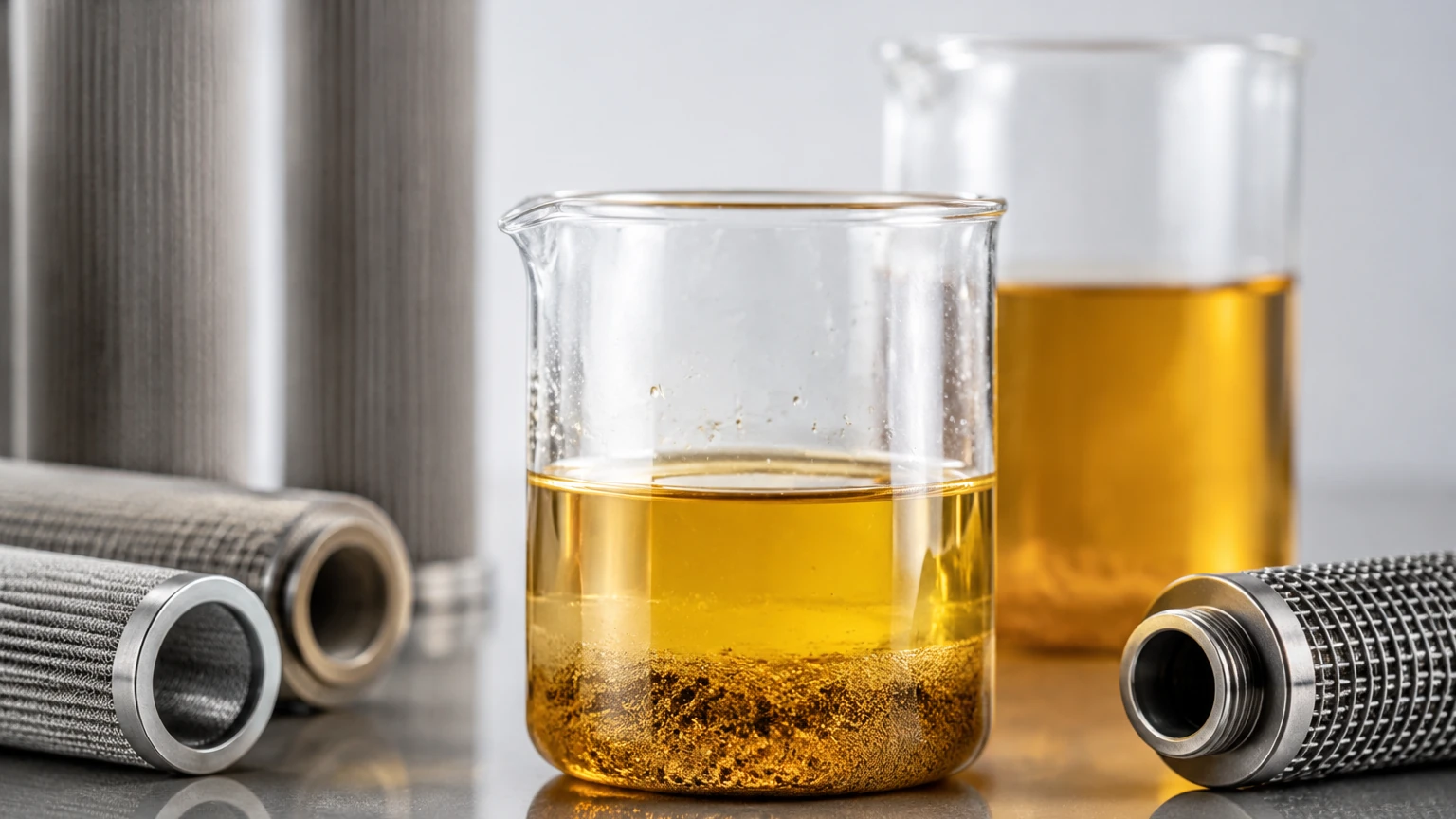
Selecting Filtration Media for Dehydration Equipment
The choice of filtration media is a primary factor in the durability and performance of a dehydration system. For demanding industrial environments, stainless steel components are often preferred over synthetic alternatives.
Advantages of Stainless Steel Wire Mesh
Stainless steel wire mesh is frequently used in the pre-filtration and support stages of the oil dehydration process. Its benefits include:
* Chemical Compatibility: Stainless steel (304 or 316L) is inert to most industrial lubricants and additives, preventing media migration and chemical degradation.
* Cleanability: Unlike disposable glass fiber elements, stainless steel mesh can often be cleaned and reused, reducing the long-term cost of ownership.
* Precision: Advanced manufacturing allows for precise micron ratings, ensuring that particulate matter is removed alongside water, which prevents the dehydration unit itself from becoming fouled.
Customization for OEM Applications
Many industrial systems require unique form factors or specific filtration accuracies. Working with a specialized manufacturer allows for the development of custom filter cartridges that fit existing housings while optimizing flow dynamics for the specific dehydration method being employed. You can Review product options and application support to determine the best material and structure for your specific industrial filtration needs.
Maintenance, Monitoring, and Total Cost of Ownership
An effective oil dehydration process is not a "set it and forget it" solution. It requires continuous monitoring and proactive maintenance to remain effective.
Water Sensors and Sampling
To evaluate the success of the dehydration process, facilities should utilize in-line moisture sensors that provide real-time data on the oil's water saturation level. Periodic laboratory analysis (Karl Fischer Titration) is also recommended to confirm the exact ppm of water and to check for changes in the oil's acid number (AN) or additive levels.
Replacement Cycles
Even permanent stainless steel filters have a service life. Maintenance teams should establish replacement or cleaning cycles based on pressure drop indicators rather than fixed time intervals. This ensures that the system operates at peak efficiency without unnecessary downtime.
Total Cost of Ownership (TCO)
When evaluating dehydration systems, purchasing teams should look beyond the initial capital expenditure (CAPEX). The total cost of ownership includes:
* Energy Consumption: The power required for vacuum pumps, heaters, or centrifuges.
* Consumables: The cost and frequency of filter element replacements.
* Oil Life Extension: The savings realized by not having to perform frequent full-sump oil changes.
* Machinery Reliability: The reduction in repair costs and lost production time due to water-related component failures.
Conclusion
The oil dehydration process is a fundamental aspect of modern industrial reliability engineering. By understanding the different states of water contamination and the technical nuances of various removal methods, engineers can implement solutions that protect critical assets. Whether utilizing vacuum distillation for high-purity applications or robust coalescence systems for high-volume water removal, the integration of high-quality filtration components is essential. Selecting the correct media, such as precision-engineered stainless steel mesh, ensures that the dehydration system remains durable and effective in the most demanding industrial environments.
