


Oil Filter Carts
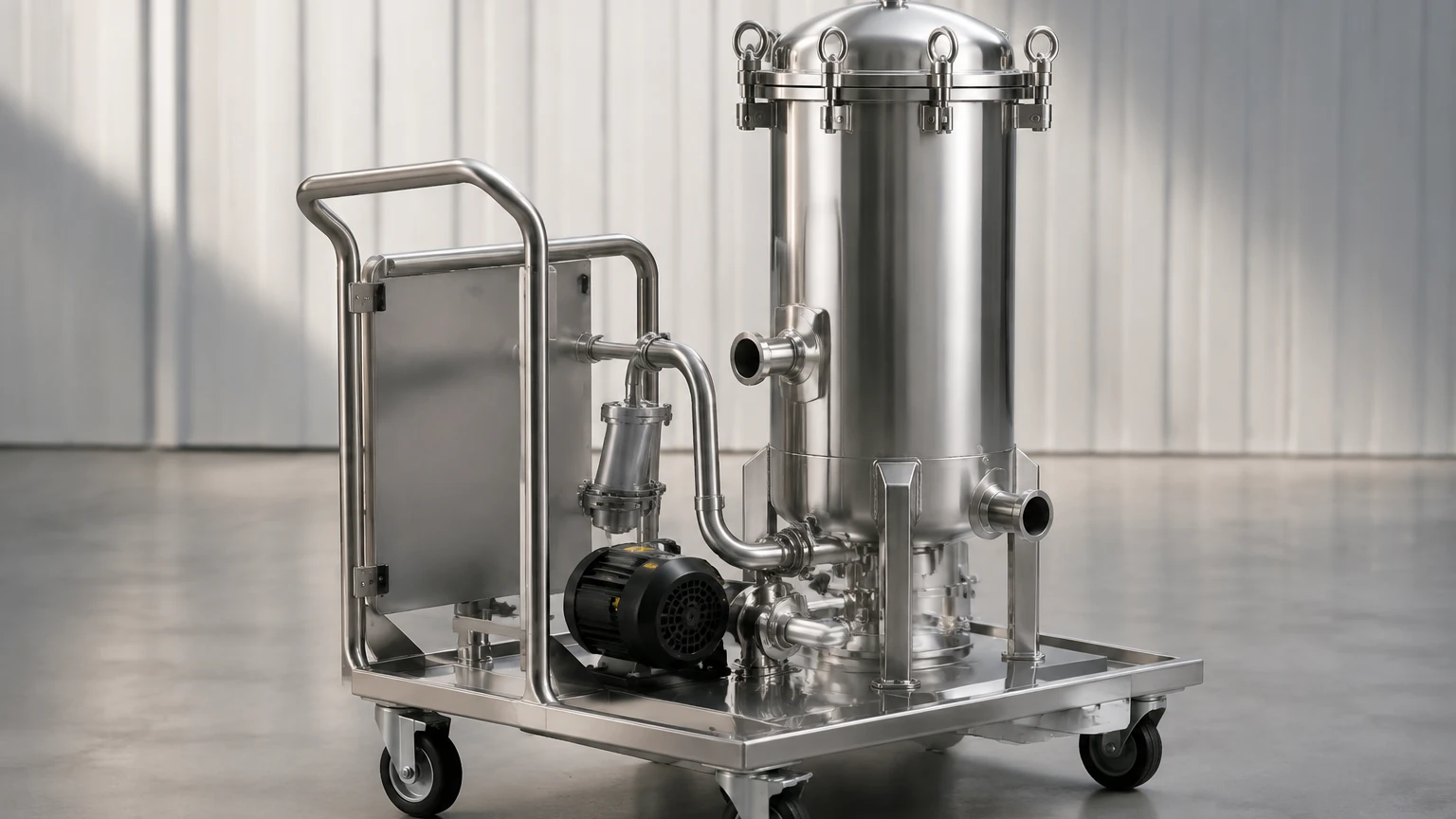
In industrial hydraulic and lubrication systems, fluid cleanliness is the most critical factor influencing component longevity and operational uptime. Contamination, whether in the form of particulate matter, water, or aeration, accounts for approximately 70% to 80% of hydraulic system failures. To combat this, engineers and maintenance professionals rely on oil filter carts—portable, offline filtration units designed to remove contaminants that standard on-board filters may miss.
These units serve as a versatile tool for fluid transfer, pre-filtering new oil, and periodic kidney-loop filtration. For technical teams tasked with maintaining high-performance machinery, understanding the engineering nuances of these carts—specifically the filter elements they house—is essential for optimizing maintenance cycles and reducing the total cost of ownership. For a complete look at available filtration technologies, you can visit our Main Page to explore professional-grade components.
The Role of Portable Filtration in Contamination Control
Oil filter carts operate independently of the main system's pump and reservoir pressure. This "offline" approach, often referred to as kidney-loop filtration, allows the cart to circulate oil from a reservoir, pass it through high-efficiency filter elements, and return it to the same reservoir without interrupting the primary machine's operation.
Pre-filtering New Oil
One of the most common misconceptions in industrial maintenance is that new oil is clean oil. In reality, oil delivered in drums or bulk often contains high levels of particulate contamination and moisture acquired during the refining, packaging, and transport processes. Using oil filter carts to pump new oil into a system ensures that the fluid meets the required ISO 4406 cleanliness codes before it ever touches sensitive valves or actuators.
Offline Decontamination
During standard operation, internal components wear down, creating fine metallic particles. While primary system filters handle the bulk of this debris, they are often sized for high flow and lower pressure drops, which may limit their ability to capture ultra-fine silt. A portable cart can be equipped with high-efficiency stainless steel or micro-glass elements to perform deep cleaning during scheduled downtime or while the machine is running.
Critical Engineering Considerations for Filter Elements
The effectiveness of oil filter carts is almost entirely dependent on the filter elements installed within the housings. As a manufacturer specializing in custom stainless steel filtration solutions, Kaifil emphasizes that the choice of media must align with the fluid’s chemical properties and the target cleanliness level.
Stainless Steel Wire Mesh vs. Synthetic Media
While many standard carts use disposable synthetic media, industrial applications involving high temperatures, aggressive chemicals, or high-viscosity fluids often require stainless steel wire mesh filters.
* Durability: Stainless steel elements resist collapse under high differential pressure ($ΔP$), which is common when filtering cold or high-viscosity lubricants.
* Cleanability: Unlike disposable fiberglass elements, precision-engineered metal mesh can be cleaned and reused, providing a more sustainable and cost-effective solution for long-term operations.
* Chemical Compatibility: Stainless steel (typically 304 or 316L) is inert to most industrial lubricants and hydraulic fluids, preventing the media migration or chemical breakdown that can occur with glues and resins found in paper-based filters.
Filtration Accuracy and Beta Ratios
Engineers must evaluate filters based on their Beta Ratio ($β$), which measures the filtration efficiency for a specific particle size. A filter with a rating of $βx[c] ≥ 1000$ means that for every 1,000 particles of size 'x' entering the filter, only one passes through. When selecting elements for oil filter carts, it is vital to balance high Beta ratios with the flow capacity of the cart’s pump to avoid constant bypass scenarios.
Managing Fluid Viscosity and Flow Rates
Viscosity is the most significant variable in the performance of oil filter carts. If the oil is too thick (high viscosity) or too cold, the resistance to flow through the filter media increases significantly. This creates a high pressure drop that may trigger the cart’s bypass valve, allowing unfiltered oil to circulate back into the reservoir.
Pump Selection
Most industrial carts utilize gear pumps or vane pumps. Gear pumps are generally preferred for high-viscosity fluids (up to 5,000 SUS or higher) because they provide a steady flow rate regardless of the pressure. Engineers should confirm that the motor and pump assembly are rated for the specific ISO VG (Viscosity Grade) of the oil being treated.
Temperature Impact
As temperature increases, viscosity decreases. For optimal efficiency, filtration should ideally occur when the oil is at operating temperature. If a cart must be used on cold oil, the filter element must have a larger surface area or a coarser micron rating to prevent cavitation and bypass. Custom stainless steel cartridges can be designed with specific pleat geometries to maximize surface area, effectively managing these pressure differentials.
Material Science: Why Stainless Steel Matters
In demanding sectors such as chemical processing or food and beverage production, the materials used in oil filter carts must meet stringent standards. Stainless steel is the material of choice for these environments due to several factors:
1. Corrosion Resistance: In environments where moisture ingression is a risk, or where fluids contain acidic additives, 316L stainless steel provides superior protection against oxidation and pitting.
2. Thermal Stability: Industrial processes often involve fluids at temperatures exceeding 200°F (93°C). Synthetic filters may soften or lose structural integrity at these temperatures, whereas metal mesh maintains its precise pore size and mechanical strength.
3. No Media Migration: In high-vibration applications, some fiber-based filters can shed material into the fluid stream. Stainless steel wire mesh is woven and often sintered, ensuring that the filter itself does not become a source of contamination.
Operational Risks and How to Mitigate Them
While oil filter carts are robust tools, improper use can lead to system damage or ineffective filtration. Engineers should be aware of the following risks:
Cavitation
The suction side of the cart’s pump is sensitive. If the suction hose is too long, too small in diameter, or if the fluid is too viscous, the pump may cavitate. Cavitation not only damages the pump but also introduces air into the oil, which can lead to oxidation and loss of lubricity. Always ensure the suction line is as short and straight as possible.
Water Contamination
Standard particulate filters are not designed to remove dissolved water. If the oil appears cloudy, it likely contains emulsified water. In these cases, the cart should be equipped with water-absorbing elements or a vacuum dehydration unit. Using a particulate filter on water-laden oil will quickly clog the media and prove ineffective.
Element Bypass
Every filter housing in a cart is equipped with a bypass valve. If the filter becomes clogged with debris, the valve opens to protect the pump from over-pressurization. Without a visual or electrical clogging indicator, a technician might continue running the cart, unaware that the oil is bypassing the filter entirely. Regular monitoring of the differential pressure gauges is a mandatory operational procedure.
Total Cost of Ownership (TCO) and Maintenance
When evaluating the purchase of oil filter carts or the components that support them, the initial price is only one part of the equation. The Total Cost of Ownership includes the cost of replacement elements, labor for maintenance, and the potential cost of machinery downtime.
Investing in high-quality, cleanable stainless steel filter elements can significantly reduce TCO. While the upfront cost of a custom metal filter is higher than a disposable one, the ability to clean the element multiple times—combined with its superior protection of downstream components—results in long-term savings. Furthermore, using a cart to maintain oil at its target ISO cleanliness code can extend the life of hydraulic components by 2x to 4x, providing a massive return on investment.
Conclusion: Selection Checklist for Engineers
Before selecting or configuring oil filter carts for your facility, ensure the following technical requirements are confirmed:
* Fluid Type: Is the fluid petroleum-based, a water-glycol mix, or a synthetic phosphate ester? Ensure the seals (Viton, Buna, etc.) and filter media are compatible.
* Viscosity Range: What is the maximum viscosity at the lowest expected ambient temperature?
* Target ISO Code: What is the required cleanliness level for the most sensitive component in the system (e.g., servo valves often require ISO 16/14/11)?
* Environment: Will the cart be used in a wash-down area, a hazardous (EX) zone, or an outdoor environment?
By focusing on the engineering fundamentals of filtration and selecting high-durability components like those manufactured by Kaifil, industrial teams can ensure their oil filter carts provide reliable, long-term service. For more information on custom metal filtration solutions and technical specifications, please visit our Main Page.
