


Oil Water Filter Separator
In industrial fluid management, the efficient removal of oil from water—or water from oil—is a critical process that ensures equipment longevity, environmental compliance, and product purity. An oil water filter separator is a specialized device engineered to isolate these immiscible liquids through mechanical and physical means. For engineers and maintenance professionals, understanding the technical nuances of these systems is essential for optimizing hydraulic systems, fuel lines, and wastewater treatment processes.
Industrial filtration requires more than just basic screening; it demands a deep understanding of fluid dynamics and material science. As a manufacturer of precision stainless steel filtration components, Kaifil provides the technical foundation for high-performance separation. You can explore our full range of custom engineering services on our Main Page.
The Engineering Principles of Oil-Water Separation
The separation of oil and water relies primarily on the differences in specific gravity and surface tension between the two fluids. In most industrial applications, oil is less dense than water, causing it to float. However, when these fluids are subjected to high pressure or mechanical agitation, they can form emulsions—mixtures where one liquid is dispersed as microscopic droplets within the other.
Mechanical Filtration vs. Coalescence
A standard oil water filter separator typically employs a multi-stage approach to handle different states of contamination:
1. Particulate Removal: Before liquid separation can occur, solid contaminants must be removed. This prevents the clogging of the more delicate separation media. Stainless steel wire mesh is often used here for its structural integrity and precise micron ratings.
2. Coalescence: This is the heart of the separator. Coalescing media, often composed of specialized wire mesh or synthetic fibers, provides a high-surface-area environment. As small droplets of the dispersed phase (e.g., water in fuel) pass through the media, they are forced to collide and merge into larger droplets.
3. Gravity Separation: Once the droplets reach a sufficient size, the difference in density allows them to settle or rise. In a water-from-fuel separator, the heavier water droplets sink to the bottom of the housing for drainage, while the lighter fuel continues through the system.
Material Selection for Industrial Separators
The choice of material for an oil water filter separator is dictated by the chemical composition of the fluids, the operating temperature, and the required durability. While plastic and fiberglass components are common in light-duty applications, industrial environments often necessitate the use of stainless steel.
The Advantages of Stainless Steel Media
Stainless steel (particularly grades 304 and 316L) is the preferred material for high-performance separation components for several reasons:
* Corrosion Resistance: Industrial oils and process water often contain acidic components or salts that can degrade standard metals. Stainless steel maintains its structural integrity over long cycles.
* Thermal Stability: Many hydraulic and chemical processes operate at elevated temperatures where synthetic media might soften or lose efficiency. Metal mesh remains stable across a wide temperature spectrum.
* Cleanability: Unlike disposable cellulose filters, stainless steel filter elements can often be cleaned and reused, reducing the total cost of ownership and minimizing waste.
* Precision Engineering: Using advanced weaving techniques, stainless steel mesh can be manufactured with highly specific pore sizes, ensuring consistent performance in coalescing and particulate filtration.
Key Performance Metrics for Engineers
When evaluating an oil water filter separator, technical professionals must look beyond basic flow rates. Several key metrics determine the suitability of a separator for a specific industrial application.
Micron Rating and Efficiency
The micron rating defines the size of particles or droplets the filter can effectively capture. In separation, this is often expressed as the "beta ratio." For coalescing stages, the efficiency is measured by the parts per million (PPM) of the dispersed phase remaining in the effluent. A high-quality separator can often reduce water content in oil to below 50 PPM, depending on the initial concentration.
Pressure Drop (Delta P)
Every filter element introduces resistance to the flow. The initial pressure drop must be low enough to ensure the system pump can maintain required flow rates without cavitation or excessive energy consumption. As the filter accumulates solids, the pressure drop increases. Engineers must define the "terminal pressure drop"—the point at which the filter must be cleaned or replaced to prevent bypass or element collapse.
Viscosity Handling
The viscosity of the oil significantly impacts separation efficiency. Higher viscosity oils resist the movement of water droplets, requiring larger separator housings or specialized media configurations to allow sufficient residence time for coalescence to occur.
Common Risks in Oil-Water Separation
Failure to properly specify or maintain an oil water filter separator can lead to significant operational risks. Understanding these risks is the first step toward mitigation.
* Media Blinding: If the particulate filtration stage is inadequate, the coalescing media can become "blinded" by solids. This stops the separation process and leads to rapid pressure spikes.
* Surfactant Interference: Surfactants (surface-active agents) reduce the surface tension between oil and water. This can stabilize emulsions to the point where mechanical coalescence becomes impossible. In such cases, specialized chemical treatment or secondary separation stages may be required.
* Bacterial Growth: In systems where water is allowed to sit (such as fuel tanks), microbial growth can occur at the oil-water interface. This "biomass" can quickly clog filters and cause corrosion within the separator housing.
* Flow Surges: Separators are designed for specific flow velocities. Sudden surges can strip captured droplets from the media and re-entrain them into the process stream, effectively bypassing the separation stage.
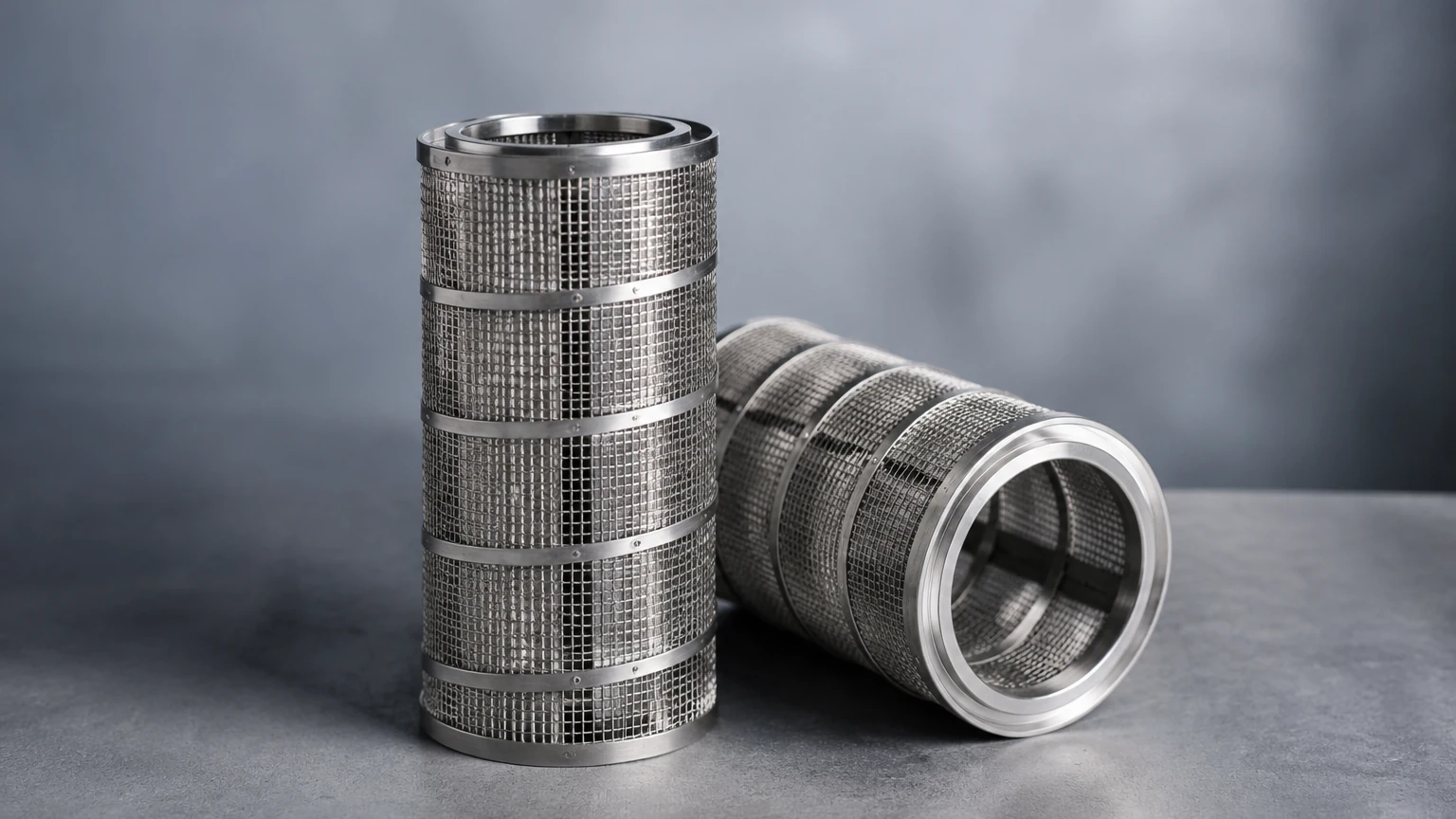
Customization and OEM Solutions
Standard off-the-shelf separators often fail to meet the specific spatial or performance requirements of complex industrial machinery. This is where customized filtration solutions become necessary. Customization can involve:
* Bespoke Housing Dimensions: Fitting a high-capacity separator into a restricted engine room or factory floor space.
* Layered Media Configurations: Combining different types of stainless steel mesh (e.g., plain weave for support and Dutch weave for fine filtration) to achieve specific performance targets.
* Specialized End Fittings: Ensuring the filter element integrates seamlessly with existing proprietary hardware without the need for adapters that could leak.
At Kaifil, we specialize in these technical adaptations, working closely with engineering teams to develop components that meet the exact rigors of their specific environment.
Maintenance and Replacement Cycles
The longevity of an oil water filter separator is heavily dependent on the quality of the incoming fluid and the operational environment. Unlike simple particulate filters, separators require monitoring of both the pressure differential and the quality of the separated phases.
Monitoring and Drainage
Most industrial separators include a sump area where the separated water (or oil) collects. Automated drainage systems, triggered by level sensors, are recommended to prevent the separated phase from reaching the main filter element and being re-mixed into the stream. Regular sampling of the effluent is also necessary to verify that the PPM levels remain within the desired specification.
Cleaning Protocols
For stainless steel elements, cleaning protocols often involve ultrasonic baths, backflushing with compatible solvents, or high-pressure air cleaning. It is vital to follow manufacturer guidelines to avoid damaging the fine wire mesh during the cleaning process. If the mesh is deformed or the pore structure is compromised, the coalescing efficiency will drop significantly.
Conclusion: Selecting the Right Separator
Selecting an oil water filter separator is a critical decision that impacts the reliability of industrial infrastructure. Engineers must confirm the fluid chemistry, flow dynamics, and environmental conditions before finalizing a design. By focusing on high-quality materials like stainless steel and understanding the underlying principles of coalescence, organizations can achieve superior fluid purity and reduced maintenance costs.
For technical assistance in designing or sourcing precision filtration components, professionals are encouraged to review the engineering capabilities and product specifications available on our Main Page. Our expertise in custom stainless steel wire mesh and filter cartridges ensures that your separation challenges are met with durable, high-performance solutions.
