


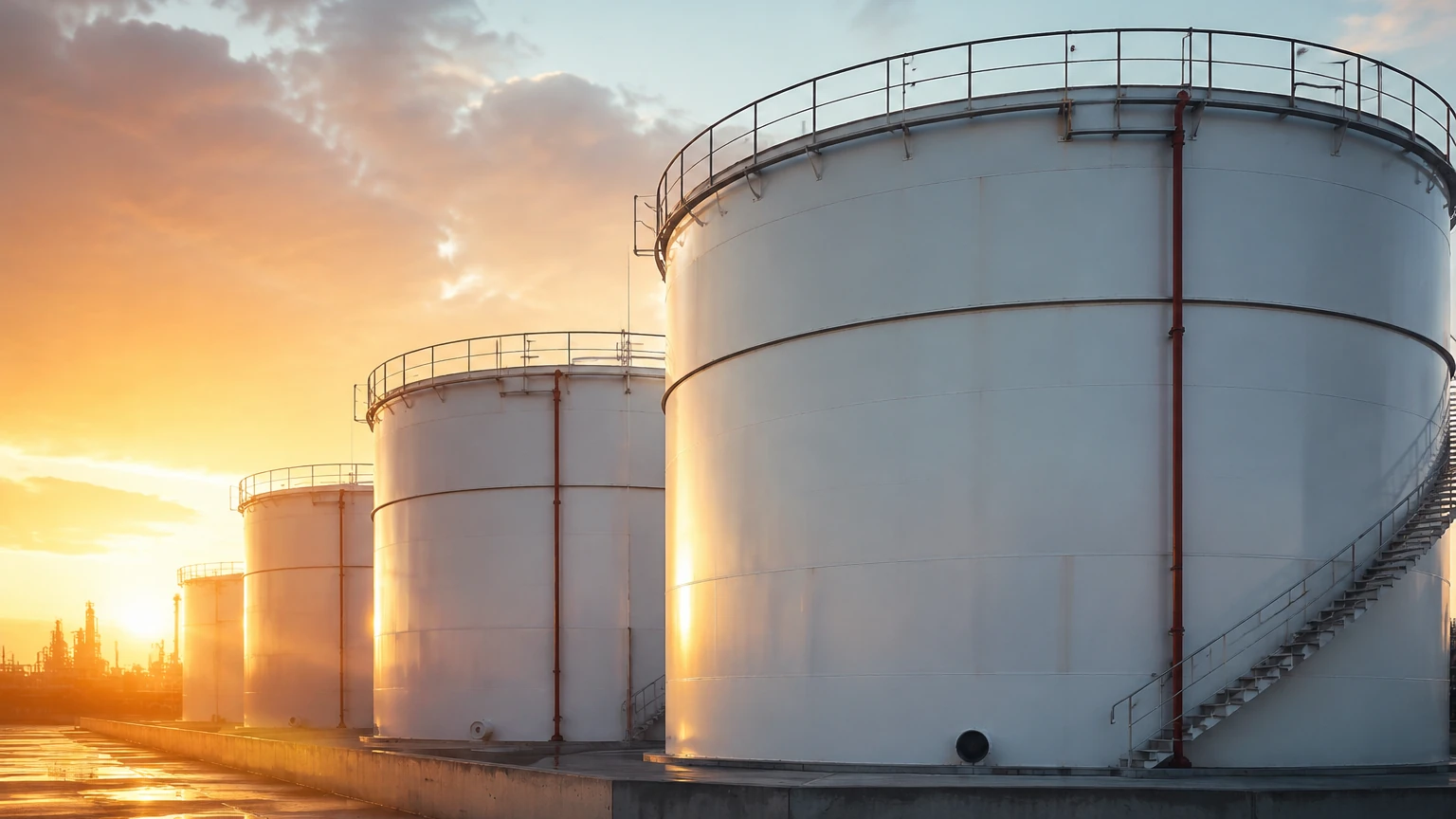
Petrochemical Storage Tanks
Petrochemical storage tanks serve as the critical infrastructure for the midstream and downstream sectors of the oil and gas industry. These specialized vessels are engineered to hold vast quantities of crude oil, refined products, liquefied gases, and various chemical feedstocks. Given the volatile and often corrosive nature of the substances stored, the design, construction, and maintenance of these tanks require strict adherence to engineering standards and the integration of high-performance filtration and safety components.
For engineers and facility managers, understanding the technical nuances of petrochemical storage tanks is essential for ensuring operational safety, environmental compliance, and product purity. This guide examines the structural classifications of storage tanks, the role of material selection, and the critical importance of filtration systems in maintaining the integrity of stored petrochemicals.
Classification of Petrochemical Storage Tanks
The design of a petrochemical storage tank is primarily dictated by the vapor pressure of the stored substance and the environmental conditions of the site. Selecting the wrong tank type can lead to significant product loss through evaporation or, in extreme cases, structural failure.
Fixed-Roof Tanks
Fixed-roof tanks are the most common and cost-effective design for storing liquids with low volatility. These tanks consist of a cylindrical shell with a permanently attached roof, typically in a cone or dome shape. While suitable for heavy oils and chemicals with low vapor pressure, they are susceptible to "breathing losses"—the expulsion of vapors during temperature changes or filling operations. To mitigate this, many fixed-roof tanks are equipped with internal liners or specialized venting systems.
Floating Roof Tanks (External and Internal)
Floating roof tanks are designed to minimize vapor space (ullage) between the liquid surface and the tank roof.
* External Floating Roof (EFR): The roof floats directly on the liquid surface and moves up and down within the tank shell. This design is highly effective at reducing evaporative losses for high-volatility products like gasoline. However, the roof is exposed to the elements, requiring robust drainage systems to prevent rainwater accumulation.
* Internal Floating Roof (IFR): This design combines a fixed roof with an internal floating deck. The fixed roof protects the floating deck from wind and rain, while the internal deck minimizes vapor formation. IFR tanks are often preferred for high-purity chemical storage where environmental contamination must be strictly avoided.
Pressure Vessels and Spherical Tanks
For substances that remain gaseous at ambient temperatures, such as Liquefied Petroleum Gas (LPG) or Liquefied Natural Gas (LNG), pressure vessels are required. Spherical tanks are frequently used for high-pressure storage because the shape distributes stress evenly across the surface, allowing for thinner walls compared to cylindrical vessels of the same pressure rating.
Engineering Standards and Material Compatibility
The construction of petrochemical storage tanks is governed by rigorous international standards, most notably API 650 (for atmospheric tanks) and API 620 (for low-pressure tanks). These standards dictate everything from plate thickness to welding procedures.
Material Selection
Carbon steel is the standard material for many large-scale storage tanks due to its structural strength and cost-efficiency. However, when storing corrosive chemicals or high-purity solvents, stainless steel (typically 304 or 316L) becomes necessary. Stainless steel offers superior resistance to pitting and stress corrosion cracking, which is vital for maintaining the long-term integrity of the vessel.
In applications involving aggressive acids or high-temperature petrochemicals, engineers may specify duplex stainless steels or specialized coatings. The choice of material also extends to internal components, such as heating coils, suction pipes, and filtration housings, which must withstand the same chemical environment as the tank shell.
Integrating Filtration Systems into Tank Operations
Filtration is a critical yet often overlooked aspect of petrochemical storage tank management. Contaminants such as pipe scale, rust, sand, and water can enter the tank during transport or through atmospheric vents. If these particulates are not removed, they can settle at the bottom of the tank, forming sludge that accelerates floor corrosion and compromises product quality.
Loading and Unloading Filtration
To prevent the ingress of solids, high-capacity stainless steel wire mesh filters are installed at the loading and unloading stations. These filters must be capable of handling high flow rates while maintaining low pressure drops. For many industrial applications, custom-designed filter cartridges are utilized to meet specific micron ratings required by downstream processes.
Protecting Downstream Equipment
When petrochemicals are withdrawn from storage for refining or distribution, secondary filtration is necessary to protect pumps, meters, and sensitive processing equipment. Precision metal filter components ensure that even microscopic particulates are captured, preventing mechanical wear and ensuring that the final product meets industry specifications for purity. For more information on specialized filtration components, engineers can visit the Main Page to review technical specifications and customization options.
Venting Systems and Environmental Safety
Petrochemical storage tanks must "breathe" to accommodate changes in liquid level and temperature. However, vents are potential entry points for moisture and airborne contaminants, as well as exit points for hazardous vapors.
Breather Valves and Flame Arrestors
Breather valves (pressure/vacuum relief valves) regulate the internal pressure of the tank. To protect these valves and the tank interior, wire mesh screens are often integrated into the vent assembly. These screens act as a first line of defense against debris and insects.
In many petrochemical environments, flame arrestors are a mandatory safety requirement. These devices utilize a dense matrix of stainless steel wire mesh or corrugated metal ribbons to dissipate heat from a flame front, preventing an external fire from igniting the vapors inside the tank. The engineering of these mesh structures is precise; they must provide enough surface area to quench a flame while allowing sufficient airflow for tank breathing.
Desiccant Breathers and Fine Filtration
For moisture-sensitive chemicals, desiccant breathers equipped with high-efficiency particulate air (HEPA) or fine metal mesh filters are used. These systems ensure that as the tank draws in air, moisture is absorbed and particulates are trapped, maintaining the chemical stability of the stored product.
Maintenance Protocols and Filter Replacement Cycles
The longevity of petrochemical storage tanks depends on a proactive maintenance strategy. Over time, all tanks accumulate some level of sediment and sludge. This buildup can harbor bacteria (in the case of fuels) and promote localized corrosion.
Inspection and Cleaning
Regular internal inspections, often conducted every 5 to 10 years depending on the service, are required by API 653 standards. During these intervals, tanks are drained, cleaned, and inspected for floor thinning or weld defects. This is also the primary time for engineers to evaluate the condition of internal filtration components and suction strainers.
Monitoring Filter Performance
For external filtration systems attached to the tank piping, performance is typically monitored via differential pressure (DP) gauges. A rising DP indicates that the filter is becoming loaded with contaminants. Establishing a strict replacement or cleaning cycle for these filters is essential. In many petrochemical applications, reusable stainless steel filter cartridges are preferred over disposable media because they can be ultrasonically cleaned, reducing the total cost of ownership and minimizing hazardous waste.
Selecting Custom Filtration Solutions for Tank Farms
No two petrochemical storage facilities are identical. Factors such as geographical location, the specific chemical composition of the product, and throughput requirements necessitate customized filtration solutions. When selecting components for petrochemical storage tanks, engineers should consider the following criteria:
1. Chemical Compatibility: Ensure that the filter media, seals, and housing materials are fully compatible with the stored petrochemicals and any cleaning agents used.
2. Micron Rating vs. Flow Rate: There is always a trade-off between filtration fineness and flow capacity. Engineers must calculate the optimal balance to prevent excessive pressure drops that could strain pumping systems.
3. Structural Durability: In large-scale storage, filters are subjected to significant hydraulic shocks and mechanical stresses. Heavy-duty stainless steel construction is often the only viable option for long-term reliability.
4. Customization Requirements: Standard off-the-shelf filters may not fit existing piping configurations or meet the unique demands of specialized chemical storage. Working with a manufacturer capable of producing custom dimensions and mesh configurations is often necessary.
By focusing on high-quality materials and precision engineering, facility operators can significantly reduce the risks associated with contamination and mechanical failure. Investing in robust filtration for petrochemical storage tanks not only protects the stored assets but also ensures the efficiency of the entire supply chain, from the refinery to the end-user.
