


Sintered Disk Filter
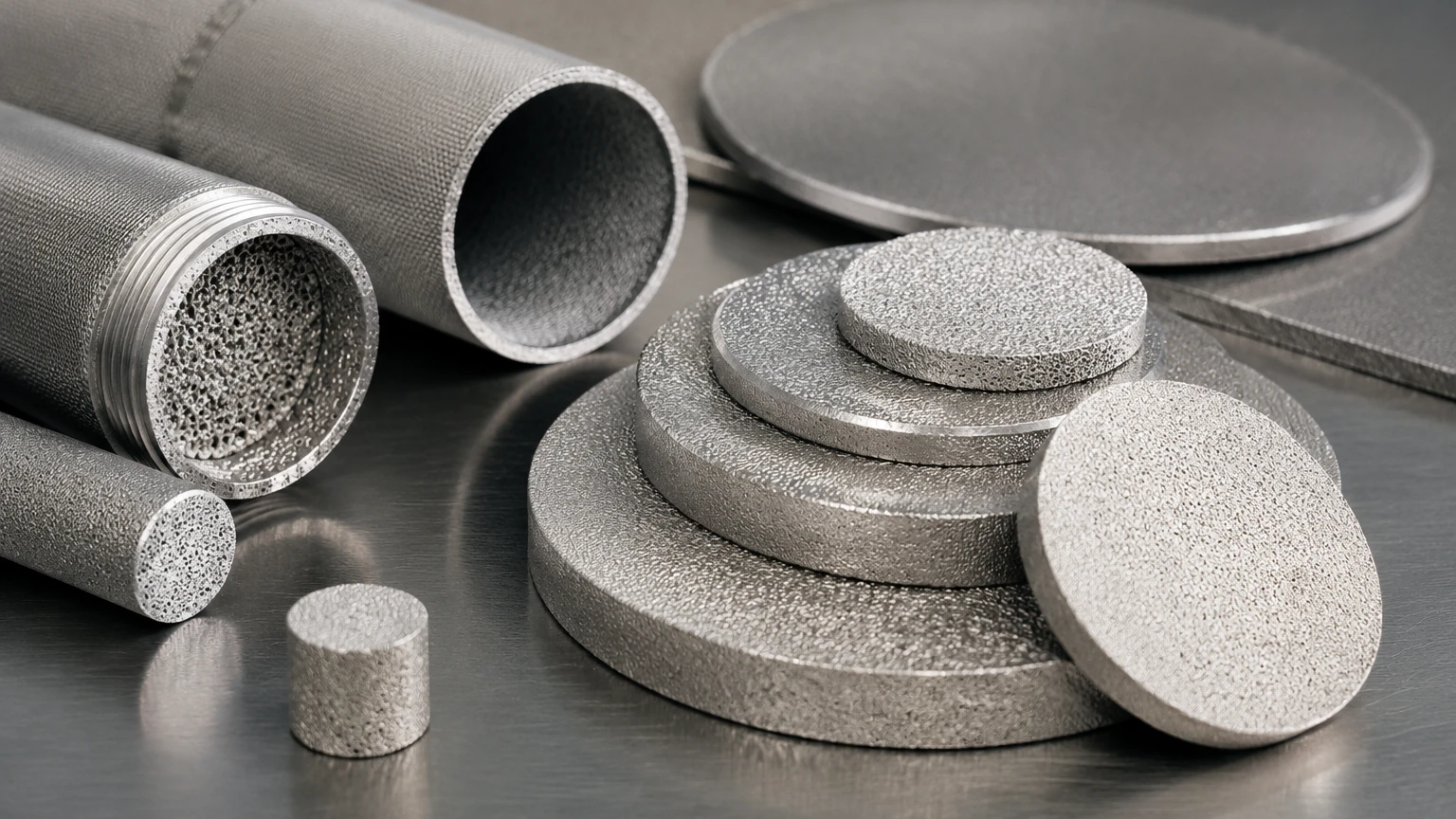
In the landscape of industrial filtration, the sintered disk filter stands as a pinnacle of engineering for high-pressure and high-temperature environments. Unlike standard wire mesh or polymer-based filters, these components are engineered through a thermal process that fuses multiple layers of metal mesh into a single, robust structure. For engineers and procurement specialists in the chemical, pharmaceutical, and aerospace sectors, understanding the technical nuances of these filters is essential for optimizing process efficiency and ensuring the longevity of downstream equipment.
At Kaifil, we specialize in the manufacturing of high-performance stainless steel filtration solutions. This guide provides a technical overview of sintered disk filters, covering their construction, performance characteristics, and the critical selection criteria necessary for industrial applications. For more information on our full range of filtration products, please visit our Main Page.
Understanding Sintered Disk Filter Construction
The fundamental difference between a standard wire mesh filter and a sintered disk filter lies in the manufacturing process known as diffusion bonding. In this process, multiple layers of stainless steel wire mesh are stacked and then placed in a high-temperature vacuum furnace. Under controlled pressure and heat, the metal wires fuse at every contact point without the need for binders or filler metals.
This results in a filter medium that is exceptionally rigid and stable. The multi-layer structure typically consists of a fine filtration layer protected by coarser drainage and support layers. This configuration ensures that the pore size remains constant even under extreme mechanical stress, preventing the "pore migration" or media shedding often seen in non-sintered materials. Because the layers are physically bonded at a molecular level, the sintered disk filter maintains its geometric integrity throughout its service life.
Key Engineering Advantages of Sintered Metal Disks
For industrial operators, the transition to sintered metal filtration is often driven by the need for durability and precision. The following advantages make sintered disks a preferred choice in demanding environments:
1. Mechanical Strength: The diffusion bonding process creates a self-supporting structure. Sintered disks can withstand high differential pressures (Delta P) without deformation, which is critical in hydraulic systems and high-viscosity fluid processing.
2. Thermal Stability: Stainless steel sintered disks can operate at temperatures ranging from cryogenic levels up to 600°C (depending on the alloy and atmospheric conditions), far exceeding the capabilities of synthetic filters.
3. No Media Migration: In pharmaceutical and food-grade applications, the risk of filter fibers breaking off into the product stream is a major concern. The bonded nature of sintered mesh eliminates this risk.
4. Uniform Porosity: The sintering process allows for precise control over pore size distribution. This ensures consistent filtration accuracy, which is vital for protecting sensitive components like spray nozzles or fuel injectors.
5. Corrosion Resistance: Utilizing high-grade alloys like AISI 316L provides excellent resistance to oxidation and chemical attack, extending the replacement cycle in corrosive environments.
Material Selection and Technical Specifications
Selecting the right material is the first step in ensuring the compatibility of a sintered disk filter with a specific process. While stainless steel is the industry standard, various grades offer different benefits:
* 304 Stainless Steel: Suitable for general industrial use where high-level corrosion resistance is not the primary concern. It offers a cost-effective solution for air and water filtration.
* 316L Stainless Steel: The "L" stands for low carbon, which improves weldability and provides superior resistance to pitting and crevice corrosion. This is the standard for chemical processing and marine applications.
* Specialty Alloys: For extreme environments involving high concentrations of chlorides or acids, materials like Hastelloy, Monel, or Inconel can be used to manufacture sintered disks.
Technical specifications often focus on the "Micron Rating." Sintered disks can be manufactured with filtration accuracies ranging from 0.5 microns to 200 microns or more. Engineers must balance the required filtration fineness with the allowable pressure drop across the disk, as tighter pores naturally increase resistance to flow.
Application Scenarios in Industrial Filtration
The versatility of the sintered disk filter allows it to be utilized across a wide spectrum of industries. Some of the most common applications include:
Chemical and Petrochemical Processing
In these sectors, filters are often exposed to aggressive solvents and high-temperature catalysts. Sintered disks are used for catalyst recovery, polymer filtration, and the removal of impurities from corrosive gas streams. Their ability to be cleaned and reused makes them more economical than disposable cartridges in high-volume chemical production.
Pharmaceutical and Biotechnology
Sterility and purity are paramount in pharmaceutical manufacturing. Sintered metal disks are used in gas sparging, steam filtration (SIP – Sterilization in Place), and the filtration of active pharmaceutical ingredients (APIs). The smooth surface finish of stainless steel filters facilitates easy cleaning and prevents bacterial growth.
Food and Beverage Industry
From filtering carbon dioxide used in carbonation to removing particulates from edible oils, sintered disks provide a food-safe filtration medium. They are often used in steam filtration to ensure that the steam used for cleaning equipment is free of rust and pipe scale.
Aerospace and Defense
In hydraulic and fuel systems, even microscopic contaminants can lead to catastrophic failure. Sintered disks provide the high-pressure resistance and absolute filtration ratings required to protect critical aircraft components.
Engineering Selection Guide: How to Choose the Right Filter
When specifying a sintered disk filter for a project, engineers should evaluate several variables to ensure optimal performance. A mismatch between the filter and the process can lead to frequent clogging, equipment downtime, or product contamination.
* Flow Rate and Viscosity: High-viscosity fluids require a larger surface area or a coarser micron rating to maintain a manageable pressure drop. Calculating the expected flow rate per unit area is essential for sizing the disk correctly.
* Contaminant Characteristics: Is the contaminant hard and abrasive, or soft and deformable? The nature of the solids will dictate whether a surface-loading or depth-loading sintered structure is required.
* Operating Pressure: While sintered disks are inherently strong, the housing and the method of sealing the disk (such as welding or mechanical clamping) must be rated for the system's maximum operating pressure.
* Cleaning Requirements: If the process requires the filter to be cleaned and reused, the pore structure must be accessible. For example, a single-layer sintered mesh is easier to backwash than a thick, multi-layer depth filter.
Maintenance, Cleaning, and Service Life
One of the most significant advantages of a sintered disk filter is its cleanability. Unlike disposable filters that contribute to industrial waste and recurring procurement costs, sintered metal components can often be restored to near-original performance through professional cleaning methods.
Common cleaning techniques include:
* Ultrasonic Cleaning: Using high-frequency sound waves in a cleaning solution to dislodge particles trapped deep within the pores.
* Backwashing/Backpulsing: Reversing the flow of the fluid to push contaminants out of the filter media.
* Chemical Cleaning: Using acids, alkalis, or solvents to dissolve organic or inorganic deposits that cannot be removed mechanically.
* High-Temperature Burn-off: Heating the filter in a controlled environment to carbonize organic contaminants, which are then removed via ultrasonic cleaning.
Proper maintenance not only extends the life of the filter but also ensures that the pressure drop remains within acceptable limits, reducing the energy consumption of pumps and compressors.
Customization and OEM Solutions
At Kaifil, we recognize that standard off-the-shelf components do not always meet the unique requirements of specialized industrial equipment. We offer extensive customization options for sintered disk filters, including:
* Custom Dimensions: Disks can be produced in diameters ranging from a few millimeters to several hundred millimeters.
* Integrated Fittings: We can weld disks into custom housings, flanges, or threaded connectors to simplify installation in your existing systems.
* Specific Layer Configurations: Depending on whether your application requires high permeability or high dirt-holding capacity, we can adjust the number and sequence of the sintered layers.
By working closely with our engineering team, customers can develop filtration components that are perfectly matched to their specific environmental and performance requirements. This collaborative approach helps in reducing the total cost of ownership and improving overall system reliability.
Conclusion
The sintered disk filter is an indispensable tool for modern industrial processes that demand the highest levels of durability and precision. By leveraging the benefits of diffusion bonding and high-grade stainless steel, these filters provide a reliable barrier against contaminants in the most challenging conditions. Whether you are designing a new chemical reactor or upgrading a pharmaceutical production line, selecting the right sintered filtration solution is a critical step toward operational excellence.
For technical support, detailed product specifications, or to request a quote for your custom filtration project, please visit our Main Page. Our team at Kaifil is dedicated to providing high-performance metal filtration solutions tailored to your industry's needs.
