


Pleated Water Filter
In industrial liquid processing, the efficiency of a filtration system is often defined by its ability to handle high flow rates while maintaining strict particle retention standards. The pleated water filter has become a primary solution for engineers seeking to balance these competing requirements. Unlike depth filters, which rely on the thickness of the media to trap contaminants, pleated filters utilize a folded surface geometry to maximize the available filtration area within a standard footprint. For industrial applications—ranging from chemical processing to high-pressure hydraulic systems—understanding the technical specifications and material science behind these components is essential for optimizing system performance and reducing operational downtime.
Understanding the Engineering Behind Pleated Water Filters
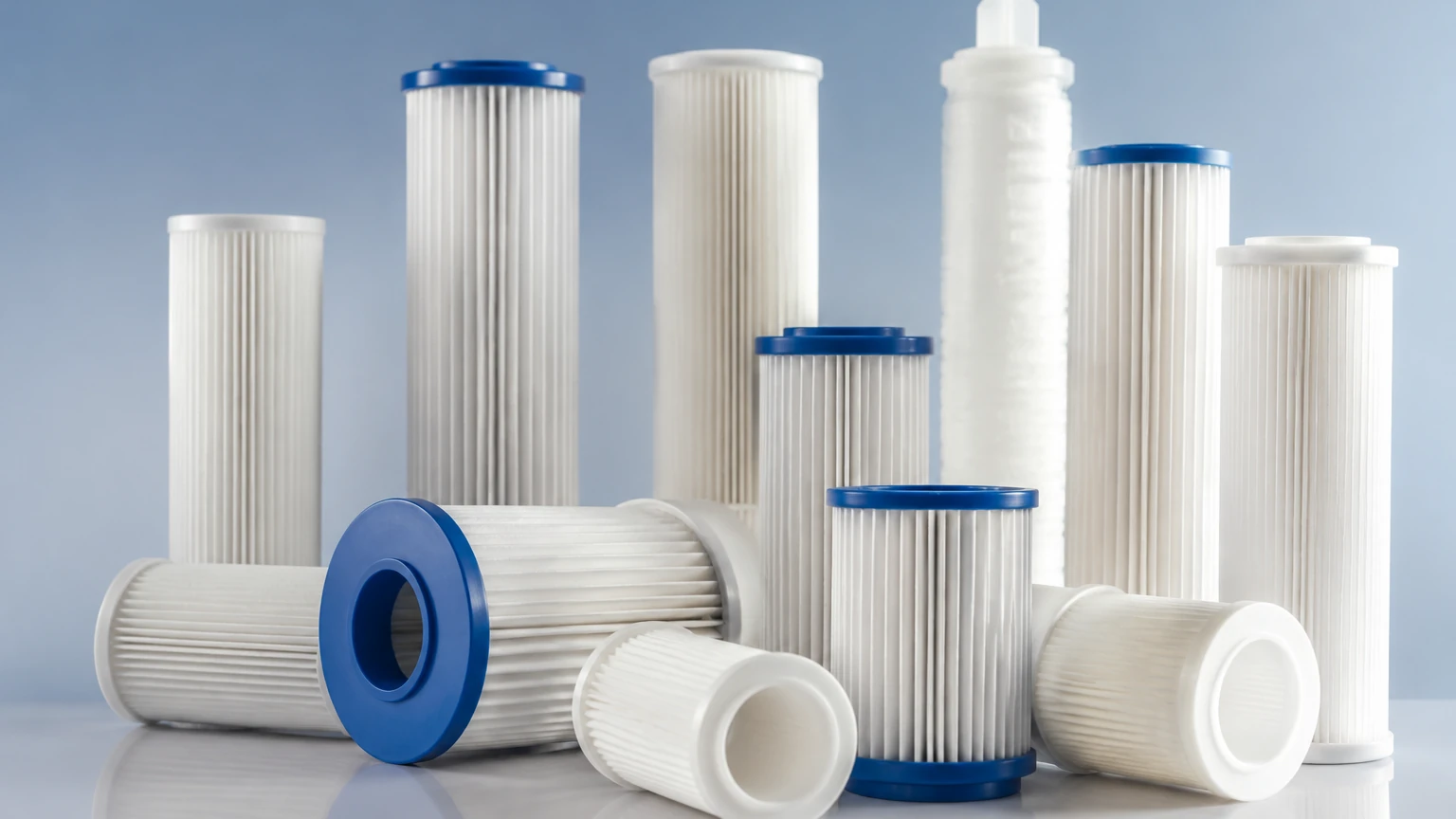
The fundamental advantage of a pleated water filter lies in its "Effective Filtration Area" (EFA). By folding the filter media into an accordion-like structure, manufacturers can fit significantly more surface area into a cylindrical cartridge than would be possible with a flat or wrapped design. This increased surface area has several direct impacts on fluid dynamics and filtration efficiency.
First, a larger EFA results in a lower face velocity. When a fluid passes through a filter at a lower velocity per unit of area, the structural integrity of the filter medium is preserved, and the likelihood of "particle breakthrough"—where pressure forces contaminants through the pores—is greatly reduced. Second, the increased area allows for a higher dirt-holding capacity. Because the contaminants are spread across a larger surface, the filter takes longer to reach its terminal pressure drop, thereby extending the service interval.
From an engineering perspective, the pleat density (the number of pleats per inch) must be carefully calculated. If pleats are packed too tightly, the fluid cannot easily access the base of the folds, leading to "pleat blinding" and an actual reduction in effective area. Conversely, if pleats are too loose, the media may shift or collapse under high differential pressure. High-quality industrial filters often incorporate a rigid inner core and an outer support cage to maintain pleat geometry under fluctuating flow conditions.
Material Considerations: Stainless Steel vs. Synthetic Media
While many commercial pleated filters use polypropylene or polyester, heavy-duty industrial applications often necessitate the use of stainless steel wire mesh or sintered metal fibers. The choice of material is dictated by the operating environment, including temperature, chemical compatibility, and the need for reusability.
Stainless Steel Pleated Media
Stainless steel (typically Grade 304 or 316L) is the preferred choice for demanding B2B environments. It offers exceptional mechanical strength and can withstand temperatures exceeding 500°F (260°C), far beyond the limits of synthetic polymers. Furthermore, stainless steel is highly resistant to corrosion from various chemicals and solvents used in industrial cleaning or processing. One of the most significant benefits of stainless steel pleated filters is that they are cleanable and reusable, which provides a lower long-term cost of ownership compared to disposable cartridges.
Synthetic Media
Polypropylene pleated filters are common in water treatment and food and beverage applications where lower temperatures and less aggressive chemicals are present. They are generally disposed of once they reach their maximum pressure drop. While they have a lower initial purchase price, the ongoing cost of replacement and the environmental impact of waste generation are factors that purchasing teams must weigh against the durability of metal alternatives.
Performance Metrics: Micron Ratings and Flow Dynamics
When selecting a pleated water filter, engineers must evaluate the micron rating and the pressure drop (Delta P) characteristics. These metrics determine whether the filter is suitable for the specific purity requirements of the process.
Absolute vs. Nominal Ratings
It is critical to distinguish between nominal and absolute micron ratings. A nominal rating refers to a filter's ability to retain a major percentage (usually 60% to 90%) of particles of a specific size. An absolute rating, however, indicates that the filter will retain 99.9% or more of particles at that size under laboratory conditions. In critical applications, such as pharmaceutical manufacturing or fine chemical production, absolute-rated pleated filters are necessary to ensure consistent product quality.
Pressure Drop and Flow Rates
The initial pressure drop is the resistance to flow caused by a clean filter. Because pleated filters have more surface area, they typically exhibit a lower initial Delta P than depth filters of the same micron rating. This allows for higher flow rates within a smaller housing. As the filter accumulates debris, the Delta P increases. Engineers generally establish a "change-out" pressure—often between 15 and 25 psi—at which point the filter must be cleaned or replaced to prevent system damage or pump failure.
Industrial Applications and Compatibility
The versatility of the pleated water filter makes it suitable for a wide array of industrial sectors. Each application requires specific configurations to handle the unique properties of the fluid being processed.
* Chemical Processing: In this sector, filters must withstand aggressive solvents and varying pH levels. Stainless steel pleated elements are often used here because they do not leach surfactants or binders into the chemical stream.
* Food and Beverage: Filtration in this industry requires materials that meet FDA compliance. Pleated filters are used for ingredient water, clarify juices, and protect downstream equipment from sediment.
* Hydraulic Systems: High-pressure hydraulic fluids require robust filtration to prevent component wear. Pleated metal mesh filters provide the structural integrity needed to handle high-viscosity fluids and pressure surges.
* Water Treatment: From pre-filtration for reverse osmosis (RO) systems to the removal of suspended solids in cooling towers, pleated filters provide the high-volume throughput necessary for large-scale water management.
When specifying a filter, compatibility with the housing is also paramount. Standard end-cap configurations include Double Open End (DOE), Code 7 (226 O-rings with a locking fin), and Code 3 (222 O-rings). Selecting the correct seal material—such as Viton, EPDM, or Silicone—is equally important to prevent bypass and ensure chemical resistance.
Maintenance, Cleaning, and Service Life
For B2B operations, the maintenance profile of a filtration system is a major component of operational efficiency. Disposable pleated filters offer the convenience of quick replacement but require a robust supply chain and waste management plan. In contrast, stainless steel pleated filters offer a sustainable alternative through specialized cleaning processes.
Cleaning Methods for Reusable Filters
1. Backwashing: Reversing the flow of fluid through the filter to dislodge accumulated particles from the surface of the pleats.
2. Ultrasonic Cleaning: Using high-frequency sound waves in a cleaning solution to create cavitation bubbles that remove fine particles trapped deep within the mesh or sintered fibers.
3. Chemical Cleaning: Soaking the filter in specific acids, alkalis, or solvents to dissolve organic or inorganic scaling without damaging the stainless steel structure.
Properly maintained stainless steel pleated filters can last for years, significantly reducing the frequency of procurement cycles and the total volume of discarded filter media.
Evaluating Total Cost of Ownership for Industrial Filtration
While the initial price of a filter cartridge is a visible cost, the Total Cost of Ownership (TCO) includes several hidden factors that purchasing teams must consider. A cheaper, low-surface-area filter may require frequent change-outs, leading to increased labor costs, higher disposal fees, and potential production downtime.
In contrast, investing in a high-quality pleated water filter with a larger EFA and durable construction can lead to:
* Reduced Energy Consumption: Lower pressure drops mean pumps do not have to work as hard to maintain flow rates.
* Lower Labor Costs: Fewer filter changes mean maintenance personnel can focus on other critical tasks.
* Minimized Product Loss: High-precision filtration reduces the risk of contaminated batches or damaged downstream equipment.
For organizations looking to optimize their filtration processes, consulting with a manufacturer that offers customized engineering support is often the most effective path forward. Customization can include specific pleat heights, specialized alloy selections, or unique end-cap designs tailored to existing housings.
Conclusion and Selection Support
Selecting the right pleated water filter requires a comprehensive understanding of the fluid characteristics, the required particle retention, and the long-term operational goals of the facility. Whether the priority is high-temperature resistance, chemical inertness, or maximum flow efficiency, the pleated design offers a scalable and reliable solution for modern industrial challenges.
By focusing on engineering specifications rather than generic marketing claims, technical professionals can ensure their filtration systems provide consistent performance and a high return on investment. For more detailed technical specifications, material compatibility charts, or to discuss custom filtration designs for your specific application, you can visit our Main Page to review product options and application support.
