


Ptfe Membrane Filter Cartridge
In the landscape of industrial separation and purification, the ptfe membrane filter cartridge stands as a critical component for handling aggressive chemicals, high-purity gases, and sterile venting applications. Polytetrafluoroethylene (PTFE) is a synthetic fluoropolymer of tetrafluoroethylene that is well-known for its exceptional chemical resistance and thermal stability. When engineered into a microporous membrane and pleated into a cartridge format, it provides a robust solution for environments where standard polymers like polypropylene or nylon would fail.
For engineers and procurement professionals, selecting the right ptfe membrane filter cartridge requires a deep understanding of material science, fluid dynamics, and the specific rigors of the application environment. This guide explores the technical foundations of PTFE filtration, selection criteria, and the engineering considerations necessary to optimize filtration performance in demanding industrial sectors.
Understanding PTFE Membrane Technology in Industrial Filtration
The core of a ptfe membrane filter cartridge is the expanded PTFE (ePTFE) membrane. Unlike depth filters that rely on a thick matrix of fibers to trap particles, membrane filters utilize a thin, precisely controlled surface structure. The manufacturing process involves stretching the PTFE material to create a complex web of microscopic nodes and fibrils. This structure results in a high void volume, which allows for high flow rates while maintaining strict retention ratings.
PTFE is inherently hydrophobic, meaning it naturally repels water. This characteristic makes the ptfe membrane filter cartridge the industry standard for gas filtration and tank venting. In these applications, the membrane prevents moisture from passing through, which protects the integrity of the process and prevents microbial growth in storage tanks. However, for liquid filtration involving aqueous solutions, the membrane must be specially treated or "wetted" to allow the liquid to flow through the pores.
Material Properties: Why PTFE is the Standard for Aggressive Media
The selection of a ptfe membrane filter cartridge is often driven by the chemical nature of the process fluid. PTFE possesses several unique properties that make it indispensable in the chemical, pharmaceutical, and semiconductor industries:
1. Broad Chemical Compatibility: PTFE is virtually inert to almost all chemicals, including strong acids, aggressive bases, and organic solvents. This prevents the filter from degrading or leaching extractables into the process stream.
2. Thermal Stability: These cartridges can typically operate at much higher temperatures than standard plastic filters, often up to 150°C (300°F) or higher, depending on the support materials used in the cartridge construction (such as PFA or high-temp polypropylene).
3. Low Surface Energy: The non-stick nature of PTFE reduces the likelihood of particle adhesion to the membrane surface, which can help maintain flow rates over longer periods and facilitate easier cleaning in certain specialized applications.
4. High Purity: Because PTFE does not require binders, surfactants, or additives during the membrane formation process, it provides an exceptionally clean filtration medium with minimal risk of downstream contamination.
Technical Specifications and Performance Metrics
When evaluating a ptfe membrane filter cartridge, technical professionals must look beyond the basic micron rating. Several performance metrics determine the suitability of a filter for a specific process:
Pore Size and Retention Efficiency
PTFE membranes are typically available in pore sizes ranging from 0.05 µm to 1.0 µm. In critical applications, such as sterile air filtration, a 0.2 µm absolute-rated membrane is required to ensure the removal of microorganisms like *Brevundimonas diminuta*. It is essential to confirm that the cartridge is "absolute-rated," meaning it has a Beta ratio of 5000 or higher at the specified micron size.
Flow Rate and Differential Pressure
Flow rate is a function of the membrane's porosity and the total surface area of the pleated media. A high-quality ptfe membrane filter cartridge is designed with optimized pleat density to maximize surface area without causing pleat blinding. Engineers must calculate the initial clean pressure drop (ΔP) to ensure the system pump can maintain the required flow as the filter loads with contaminants.
Integrity Testing
For regulated industries, the ability to verify the integrity of the filter is paramount. Common non-destructive tests include:
* Bubble Point Test: Measures the pressure required to force air through a liquid-wetted membrane.
* Diffusion Flow (Forward Flow) Test: Measures the rate of gas diffusion through the liquid-filled pores at a pressure below the bubble point.
* Water Intrusion Test (WIT): Specifically for hydrophobic PTFE filters, this test measures the pressure at which water is forced into the largest pores of the dry membrane.
Hydrophobic vs. Hydrophilic Membranes: Selecting the Right Type
One of the most common points of confusion during the procurement of a ptfe membrane filter cartridge is the distinction between hydrophobic and hydrophilic versions.
Hydrophobic PTFE
This is the natural state of the material. It is used for air, gas, and vent filtration. It is also used for the filtration of pure solvents and oils that have low surface tension. If a hydrophobic filter is used for an aqueous (water-based) liquid, it will require pre-wetting with a low-surface-tension fluid like isopropyl alcohol (IPA) before the water will pass through.
Hydrophilic PTFE
To simplify the filtration of aqueous chemicals and acids, manufacturers offer "surface-modified" or hydrophilic PTFE. These membranes have been treated so that they can be wetted by water instantly. This is particularly useful in the semiconductor industry for filtering aggressive etching chemicals and in pharmaceuticals for filtering high-purity water systems where pre-wetting with IPA is not desirable due to contamination risks.
Integration and Compatibility within Filtration Systems
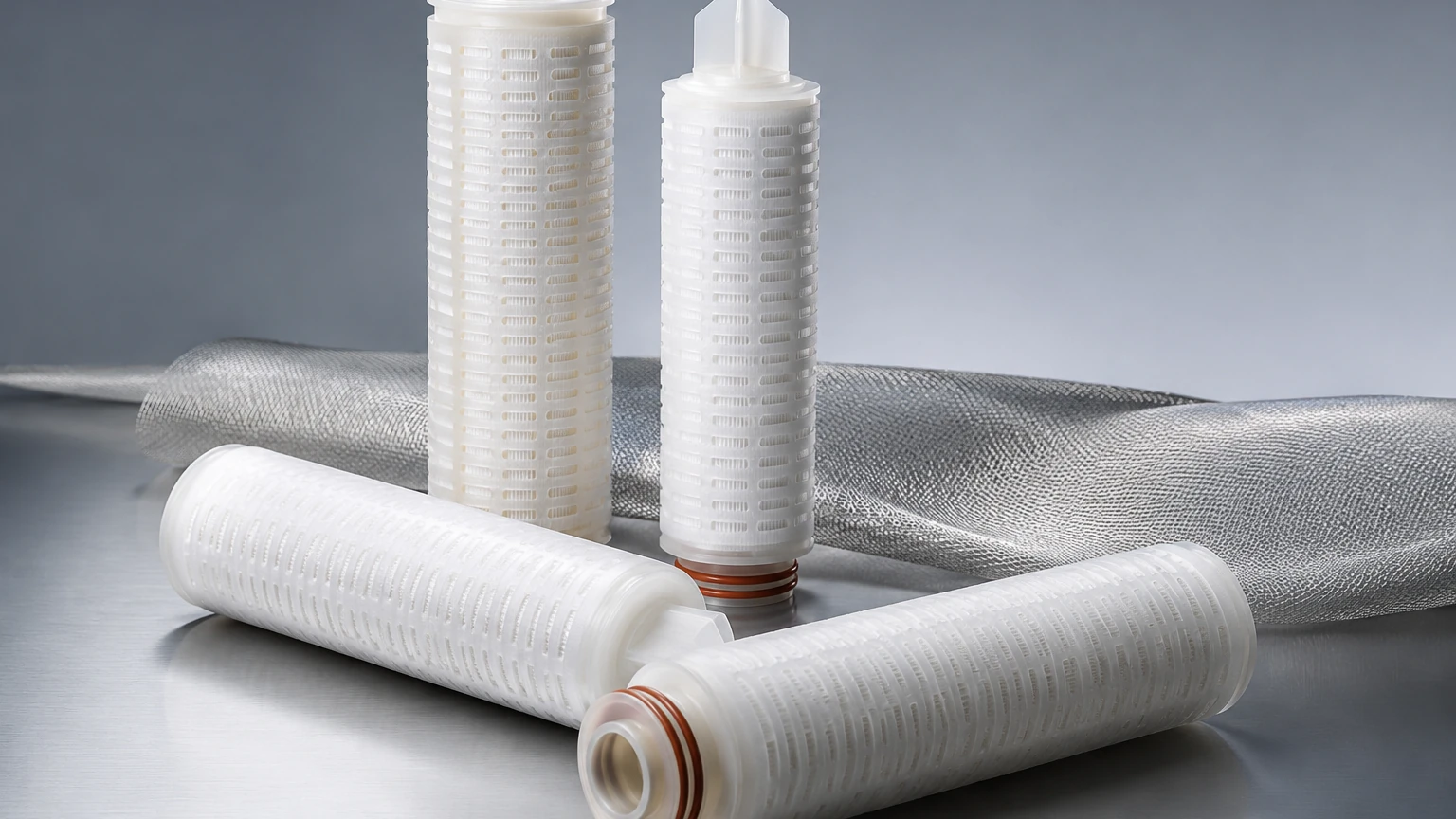
While the membrane is the functional heart of the filter, the structural components of the ptfe membrane filter cartridge—the inner core, outer cage, and end caps—must also be compatible with the process. In many industrial settings, these cartridges are installed within high-precision stainless steel filter housings.
At Main Page, the focus is on providing the robust hardware and custom filtration components that support high-performance membrane cartridges. For instance, in high-pressure hydraulic or chemical processing systems, a PTFE cartridge may be preceded by a stainless steel wire mesh pre-filter. This "staged" filtration approach protects the delicate PTFE membrane from large particulate matter, significantly extending the service life of the more expensive membrane cartridge.
Furthermore, the choice of O-ring material (Viton, EPDM, Silicone, or PTFE-encapsulated Viton) is just as critical as the membrane itself. A failure in the seal will allow bypass, rendering the high-efficiency membrane useless.
Operational Best Practices: Installation, Testing, and Maintenance
To ensure the longevity and effectiveness of a ptfe membrane filter cartridge, certain operational protocols should be followed:
1. Proper Wetting: For hydrophobic filters used in liquid service, ensure the wetting agent (like IPA) is completely flushed out before introducing the process fluid. Residual wetting agents can contaminate the batch.
2. Avoid Pressure Shocks: Membrane filters are sensitive to sudden changes in pressure. Use slow-start valves to gradually increase flow and prevent the pleats from deforming or the membrane from rupturing.
3. Steam Sterilization and SIP: If the application requires sterilization, verify the cartridge's cumulative steam-in-place (SIP) time. PTFE is resilient, but the polypropylene support structures often used in these cartridges have a finite limit on how many steam cycles they can withstand before losing structural integrity.
4. Monitoring Differential Pressure: Replace the cartridge when the differential pressure reaches the manufacturer’s recommended terminal ΔP (usually around 2.0 to 2.5 bar). Running a filter past this point risks "unloading" trapped contaminants or structural failure.
Cost Considerations and Procurement Strategy
The total cost of ownership (TCO) for a ptfe membrane filter cartridge involves more than the initial purchase price. Because PTFE is a premium material, these cartridges are more expensive than standard depth or pleated filters. However, their ability to withstand aggressive environments often makes them the most cost-effective choice in the long run.
When sourcing these components, engineers should confirm:
* Material Certification: Ensure the materials meet FDA/USP Class VI standards if used in food or pharma.
* Customization Options: In many OEM applications, standard cartridge lengths (10", 20", 30") may not fit. Working with a manufacturer capable of providing custom metal components and housing adaptations can streamline the integration process.
* Batch Traceability: Each cartridge should be laser-etched with a lot number and serial number to ensure traceability in the event of a process failure.
By understanding the technical nuances of the ptfe membrane filter cartridge, from its hydrophobic nature to its chemical inertness, technical teams can ensure they select a solution that provides the necessary purity and durability for their specific industrial application. Whether utilized in the venting of a fermentation tank or the purification of aggressive acids, the PTFE membrane remains a cornerstone of modern industrial filtration technology.
