


Pvc Basket Strainer
In industrial fluid handling, the protection of downstream equipment—such as pumps, valves, and instrumentation—is a primary engineering concern. The pvc basket strainer serves as a critical component in piping systems where corrosion resistance and cost-effectiveness are prioritized. Unlike Y-strainers, which are often used for smaller debris and less frequent cleaning, basket strainers are designed for systems requiring higher flow capacities and easier maintenance access.
For engineers and procurement teams, selecting the right pvc basket strainer involves more than just matching pipe sizes. It requires a deep understanding of material properties, pressure-temperature ratings, and the technical specifications of the internal filtration element. While the housing provides the structural interface with the piping, the internal basket determines the actual filtration efficiency and system performance.
Technical Characteristics of PVC in Filtration Systems
Polyvinyl Chloride (PVC) is a widely utilized thermoplastic in industrial filtration due to its exceptional resistance to a broad spectrum of corrosive chemicals, including many acids, bases, and salt solutions. In the context of a pvc basket strainer, the material offers several distinct advantages over metallic alternatives like cast iron or carbon steel.
Corrosion Resistance and Chemical Compatibility
One of the primary reasons for selecting a PVC housing is its immunity to electrochemical corrosion. In applications involving brine, deionized water, or aggressive chemicals used in water treatment and chemical processing, metal strainers may suffer from pitting or systemic oxidation. PVC remains inert in these environments, ensuring that the fluid remains uncontaminated by metallic byproducts.
Temperature and Pressure Limitations
Engineers must account for the thermoplastic nature of PVC. Typically, a pvc basket strainer is rated for use at temperatures up to 140°F (60°C). As temperature increases, the pressure-bearing capacity of the material decreases. For instance, a strainer rated at 150 PSI at 73°F may see its maximum allowable working pressure significantly reduced at 120°F. For applications exceeding these thermal limits, alternative materials like CPVC or stainless steel are required.
Design and Structural Components of Basket Strainers
The architecture of a pvc basket strainer is optimized for high-volume filtration. The "basket" design allows for a larger surface area compared to other strainer types, which results in a lower initial pressure drop and longer intervals between cleaning cycles.
Housing and Connections
Most industrial PVC strainers are manufactured using Schedule 80 wall thickness to provide the necessary structural integrity for pressurized systems. Connection types typically include socket, threaded, or flanged ends. Flanged connections are often preferred in B2B industrial settings because they allow for easier removal of the entire unit during major system overhauls.
Seal Selection: EPDM vs. FKM
The integrity of the strainer lid is maintained by an O-ring seal. Selecting the correct elastomer is vital for leak prevention. EPDM (Ethylene Propylene Diene Monomer) is standard for water and general chemical applications, while FKM (Viton) is specified for systems involving oils or specific aggressive chemicals that would degrade EPDM.
The Role of the Internal Filter Element
While the housing of the pvc basket strainer is plastic, the internal basket is where the actual filtration occurs. This is a point of critical intersection for manufacturers like Kaifil, who specialize in precision metal filtration components.
Stainless Steel vs. Plastic Baskets
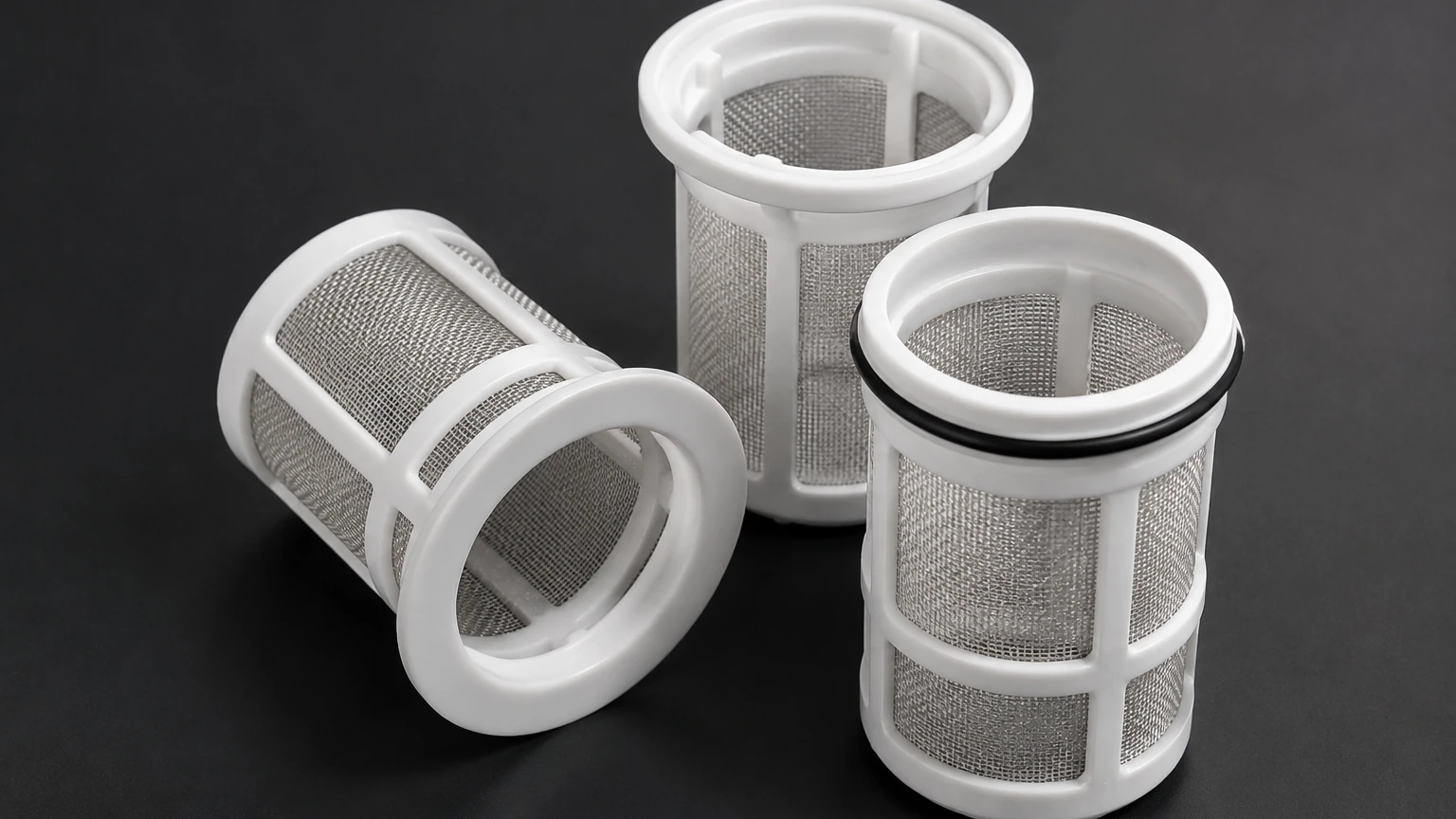
Many standard PVC strainers come with a plastic perforated basket. However, in demanding industrial applications, these are often replaced or lined with stainless steel wire mesh. Stainless steel (Grade 304 or 316) offers several technical benefits:
1. Precision Filtration: While plastic baskets are limited by the size of the perforations that can be molded or drilled, stainless steel wire mesh can achieve filtration levels down to the micron range.
2. Structural Strength: Under high differential pressure, plastic baskets may deform or "blow out." A stainless steel basket provides the rigidity necessary to withstand accumulated debris loads without failing.
3. Cleanability: Stainless steel is more resistant to the mechanical stresses of high-pressure cleaning and can be sterilized if used in food-grade or pharmaceutical applications.
For specialized requirements, engineers can consult the Main Page to review advanced filtration options that can be integrated into standard strainer housings.
Engineering Selection Criteria: Sizing and Flow Rates
Properly sizing a pvc basket strainer is essential to prevent excessive pressure drop ($ΔP$) and ensure the longevity of the system. A common mistake is sizing the strainer solely based on the existing pipe diameter. Instead, the selection should be based on the required flow rate (GPM) and the allowable pressure drop when the basket is clean.
The Open Area Ratio
The "Open Area Ratio" is the ratio of the total open area of the basket to the internal cross-sectional area of the inlet pipe. A high-quality industrial strainer should ideally have an open area ratio of at least 4:1 or higher. This ensures that even as debris begins to collect in the basket, the system does not experience a sudden or catastrophic loss of flow.
Mesh and Perforation Sizing
The choice of mesh size depends on the nature of the contaminants. If the goal is to protect a pump from large stones or plastic shards, a coarse perforation (e.g., 1/8") may suffice. However, if the goal is to protect sensitive spray nozzles or heat exchangers, a fine stainless steel mesh lining (e.g., 100 mesh or 150 microns) is necessary. It is important to note that finer filtration increases the frequency of maintenance, so a balance must be struck between protection and operational uptime.
Applications Across Industrial Sectors
The versatility of the pvc basket strainer makes it a staple in several key industries. Its application is dictated by the chemical nature of the fluid and the environmental conditions of the facility.
Water and Wastewater Treatment
In municipal and industrial water treatment, PVC strainers are used to remove suspended solids before the water reaches membrane filtration systems or chemical dosing pumps. The resistance to chlorine and other disinfectants makes PVC the preferred material over metals that might leach ions into the water.
Chemical Processing and Plating
In electroplating and chemical manufacturing, the fluids are often highly acidic or alkaline. A pvc basket strainer prevents contaminants from recirculating in the tanks, which could otherwise ruin the finish of the parts or clog the circulation headers. Because these systems often run at ambient or slightly elevated temperatures, PVC provides a long-lasting, low-maintenance solution.
Aquaculture and Aquariums
Large-scale aquatic life support systems require filtration that is non-toxic and resistant to saltwater corrosion. PVC is the industry standard here, ensuring that no heavy metals are introduced into the environment while effectively removing organic debris.
Maintenance and Operational Best Practices
To maximize the service life of a pvc basket strainer, a proactive maintenance schedule is required. Neglecting the strainer can lead to basket failure, which allows debris to bypass the filter and damage expensive downstream equipment.
Monitoring Differential Pressure
The most effective way to manage a basket strainer is by installing pressure gauges upstream and downstream of the unit. The difference between these two readings—the differential pressure—indicates the level of clogging. Most manufacturers recommend cleaning the basket when the differential pressure reaches 5-8 PSI above the clean-start pressure.
Cleaning Procedures
One of the primary advantages of the basket design is the ease of cleaning. Most pvc basket strainers feature a hand-removable cover (either a threaded nut or a quick-release clamp).
1. Isolate the Strainer: Close the upstream and downstream valves.
2. Vent and Drain: Open the vent plug on the cover to release internal pressure, then open the drain plug at the bottom to empty the fluid.
3. Remove the Basket: Lift the basket out of the housing.
4. Inspect and Clean: Flush the basket with a high-pressure hose. If using a stainless steel mesh-lined basket, inspect the wire for signs of fraying or mechanical damage.
5. Reinstall: Ensure the O-ring is seated correctly and lubricated if necessary before replacing the cover.
Customization and OEM Integration
In many B2B scenarios, a standard off-the-shelf pvc basket strainer may not meet the specific requirements of a unique industrial process. This is where customization becomes vital. Engineering teams often require specific modifications, such as:
* Reinforced Baskets: For high-viscosity fluids that exert more force on the filter element.
* Magnetic Inserts: To capture fine ferrous particles that might pass through a standard mesh.
* Custom Mesh Linings: Utilizing high-grade alloys like Monel or Hastelloy for specialized chemical resistance within a PVC housing.
Working with a manufacturer like Kaifil allows for the development of these specialized internal components, ensuring that the filtration system performs to the exact specifications required by the application. For more information on custom metal filtration components and engineering support, professionals can Review product options and application support to find the right solution for their specific industrial challenges.
Total Cost of Ownership (TCO)
When evaluating a pvc basket strainer, the initial purchase price is only one component of the total cost of ownership. Procurement teams should also consider:
* Durability: A higher-quality Schedule 80 PVC housing will resist cracking and environmental stress better than thinner alternatives.
* Replacement Part Availability: The ease of sourcing replacement baskets and O-rings is critical for minimizing downtime.
* Operational Efficiency: A well-designed basket with a high open-area ratio reduces the energy required by the pump to move fluid through the system.
By selecting a strainer that balances material compatibility with high-performance internal filtration elements, industrial facilities can achieve reliable, long-term protection for their critical infrastructure. Whether the application is a simple water line or a complex chemical process, the pvc basket strainer remains a foundational tool in the engineer's repertoire for fluid management.
