


Pvc Slotted Pipe
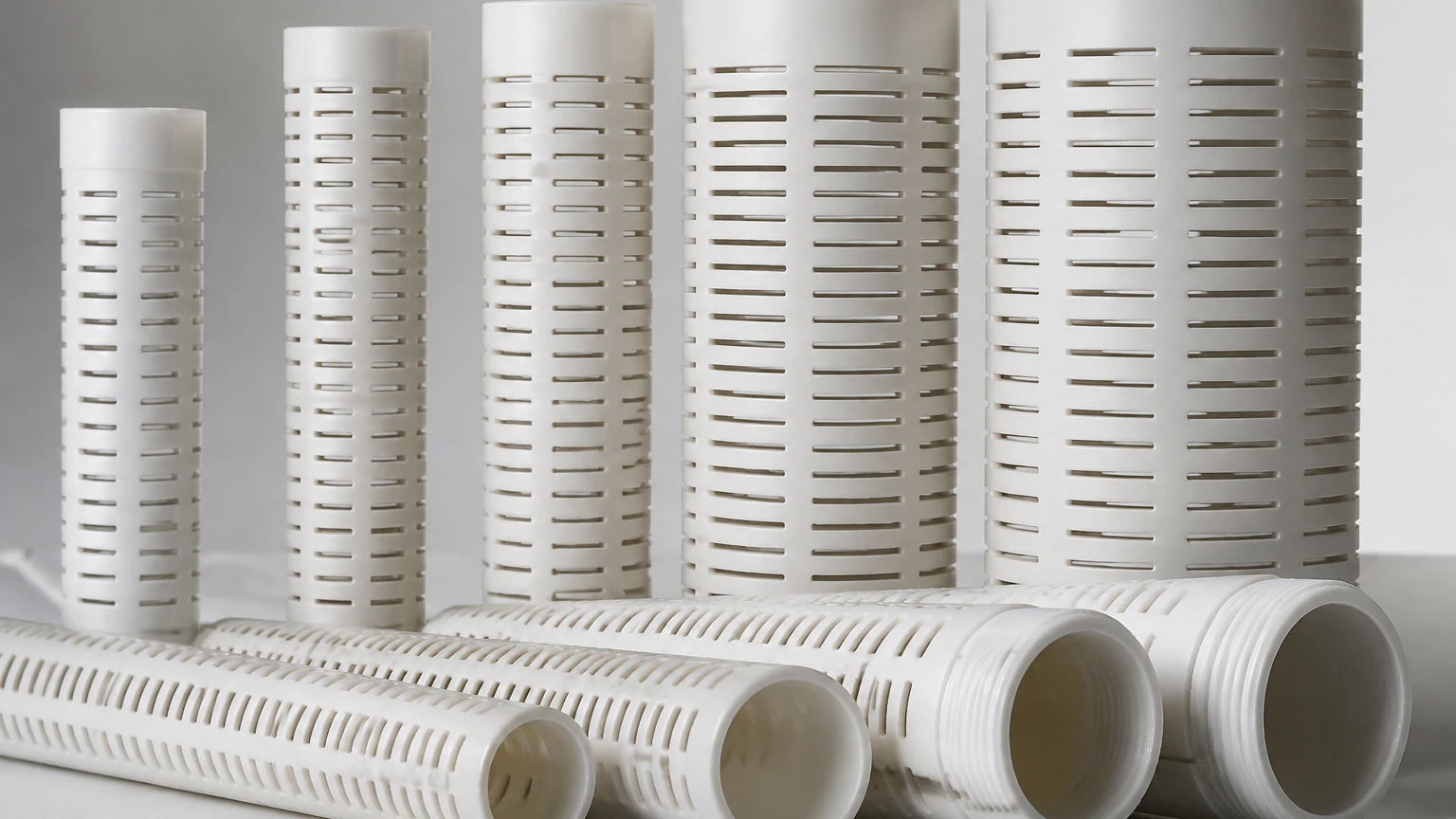
In industrial fluid management and subsurface engineering, the selection of appropriate intake and drainage components is critical to system longevity and efficiency. The pvc slotted pipe serves as a fundamental component in applications ranging from groundwater monitoring and water well construction to leachate collection in landfills and technical drainage systems. While often viewed as a commodity, the engineering specifications of these pipes—including slot geometry, open area percentages, and material grade—dictate their performance under hydraulic load and environmental stress.
For engineers and procurement teams, understanding the technical boundaries of PVC (Polyvinyl Chloride) in slotted configurations is essential. While PVC offers distinct advantages in terms of chemical resistance to corrosive soils and lower initial capital expenditure, it must be evaluated against high-performance alternatives like stainless steel when operating conditions involve elevated temperatures, high mechanical pressures, or requirements for precision filtration. This guide examines the technical aspects of pvc slotted pipe and provides a framework for selecting the right filtration and intake media for industrial projects.
Engineering Specifications and Manufacturing Standards
The performance of a pvc slotted pipe is governed by the base material's physical properties and the precision of the slotting process. Most industrial-grade slotted pipes are manufactured from rigid PVC compounds following standards such as ASTM D1785 (for Schedule 40, 80, and 120 pipe) or ASTM F480 (for water well casing).
Material Grades and Pressure Ratings
Schedule 80 PVC is frequently preferred for slotted applications due to its thicker wall profile. When slots are cut into a pipe, the structural integrity and collapse strength of the conduit are inherently reduced. Using a Schedule 80 base provides a higher safety margin against soil pressure and hydrostatic forces compared to Schedule 40. Engineers must calculate the "collapse strength" of the pipe after slotting, as the removal of material creates stress concentration points.
Slotting Precision
Unlike perforated pipes, which use drilled holes, slotted pipes utilize longitudinal or transverse mechanical cuts. These slots are typically produced using high-speed circular saws or CNC equipment to ensure uniform width. Standard slot widths range from 0.010 inches (10 slot) to 0.250 inches (250 slot). The precision of these widths is vital for sand control and preventing the migration of fines into the system, which can lead to pump wear or system clogging.
Key Performance Factors: Open Area and Slot Configuration
The primary functional metric for a pvc slotted pipe is its total open area. This figure determines the intake capacity and the entrance velocity of the fluid. If the entrance velocity is too high, it can induce turbulence, accelerate corrosion (in metal systems), or cause "incrustation" where minerals precipitate out of the water and clog the slots.
Calculating Open Area
To determine the efficiency of a slotted pipe, engineers use the following calculation:
$$Open Area \% = \frac{Slot Width \times Slot Length \times Number of Slots per Foot}{Total External Surface Area per Foot} \times 100$$
Typically, a pvc slotted pipe provides an open area between 1% and 10%. In contrast, specialized wire mesh or wedge wire components can offer significantly higher open areas, sometimes exceeding 40%, which allows for much lower entrance velocities and higher flow rates in a smaller footprint.
Slot Patterns
* Parallel Slots: The most common configuration where slots are cut along the longitudinal axis.
* Staggered Slots: Slots are offset to maintain better structural hoop strength of the pipe.
* Transverse Slots: Cuts are made perpendicular to the pipe axis, often used in specific drainage scenarios where lateral flow is prioritized.
Comparing PVC Slotted Pipe with Stainless Steel Filtration Solutions
While PVC is a versatile material, industrial applications often reach the limits of its physical capabilities. As a professional manufacturer of custom filtration solutions, Kaifil often works with engineers to transition from plastic-based intakes to robust metal systems when performance requirements increase.
Temperature and Pressure Limitations
PVC is a thermoplastic, meaning its mechanical strength decreases as temperature rises. Most PVC piping is rated for a maximum service temperature of 140°F (60°C). In chemical processing or deep-well applications where geothermal heat or exothermic reactions occur, PVC may soften and collapse. Stainless steel filter cartridges and wire mesh components maintain structural integrity at much higher temperatures and can withstand significantly higher differential pressures.
Chemical Compatibility
PVC is excellent for resisting salts, acids, and bases that would corrode carbon steel. However, it is susceptible to damage from certain solvents, esters, and ketones. In complex chemical environments, 304 or 316L stainless steel provides a broader range of compatibility and does not suffer from environmental stress cracking, a common failure mode in aged PVC installations.
Filtration Precision
The minimum slot width for a pvc slotted pipe is generally limited by the thickness of the cutting blade, often bottoming out around 0.010 inches (250 microns). For applications requiring finer filtration—such as pharmaceutical processing, fine chemical filtration, or high-purity water treatment—stainless steel wire mesh or sintered metal filters are required. These can achieve filtration ratings down to 1 micron while maintaining high flow rates.
For those seeking advanced filtration components that exceed the capabilities of standard plastic piping, you can Review product options and application support on our main site to explore custom metal solutions.
Installation and Maintenance Considerations for Slotted Piping Systems
The longevity of a pvc slotted pipe installation depends heavily on the surrounding environment and the installation technique. Because these pipes are often buried or submerged, remediation of a failed pipe is costly and technically challenging.
Filter Pack Selection
In groundwater or drainage applications, the slotted pipe is rarely used in isolation. A "filter pack" of graded silica sand or gravel is typically placed around the pipe. The slot size must be smaller than the smallest grain size of the filter pack to prevent the packing material from entering the pipe. A common engineering rule is to select a slot size that retains 90% of the filter pack material.
Joining Methods
* Solvent Welding: Provides a permanent, leak-proof bond but requires dry conditions and specific cure times. It is generally not recommended for monitoring wells where the solvent (VOCs) could contaminate water samples.
* Threaded Connections: Precision-machined flush threads allow for easy assembly and disassembly. This is the standard for environmental monitoring and deep-well applications.
Maintenance and Biofouling
Slotted pipes are prone to biofouling, particularly iron bacteria or calcium carbonate scaling. While PVC is resistant to the acids used in well-cleaning chemicals, the mechanical scrubbing required to remove heavy scaling can sometimes damage the slot edges. Stainless steel components are much more resilient to aggressive mechanical and chemical regeneration techniques.
Selecting the Right Filtration Media for Demanding Environments
When designing an industrial filtration or intake system, the choice between a pvc slotted pipe and a custom metal filter depends on the "Total Cost of Ownership" (TCO) and the criticality of the process.
1. Environmental Monitoring: For shallow, low-pressure monitoring wells where chemical inertness to groundwater is the priority, PVC is often the industry standard.
2. High-Volume Industrial Intake: For power plant cooling water or large-scale desalination intakes, the mechanical strength and high open area of stainless steel wedge wire or wire mesh are usually required to handle the hydraulic load and prevent debris bypass.
3. Chemical Processing: If the fluid contains organic solvents or is processed at temperatures exceeding 100°F, metal filtration components are the safer and more reliable choice.
4. Custom Geometries: While PVC is limited to standard pipe diameters, custom stainless steel filtration components can be engineered into complex shapes, cones, or multi-layered cartridges to fit specific machinery or vessel designs.
Engineers should evaluate the expected lifespan of the project. While a pvc slotted pipe has a lower upfront cost, the durability and cleanability of stainless steel often result in lower long-term costs due to reduced replacement frequency and improved process uptime.
Conclusion and Technical Consultation
The pvc slotted pipe remains a vital tool in the engineer's repertoire for basic drainage and water collection. However, as industrial processes become more demanding, the limitations of plastic—specifically regarding temperature, pressure, and filtration precision—become more apparent.
At Kaifil, we specialize in bridging the gap between standard intake solutions and high-performance industrial filtration. By utilizing advanced manufacturing techniques in stainless steel wire mesh and precision metal components, we provide the durability and accuracy that demanding applications require. Whether you are dealing with high-pressure hydraulic systems, corrosive chemical filtration, or food-grade processing, selecting the right material and configuration is the first step toward operational excellence.
To learn more about how custom stainless steel filtration can optimize your specific application, visit our Main Page for detailed technical specifications and engineering support. Understanding the balance between material science and hydraulic performance ensures that your filtration system remains a robust asset rather than a maintenance liability.
