


Rotary Shaker Screen
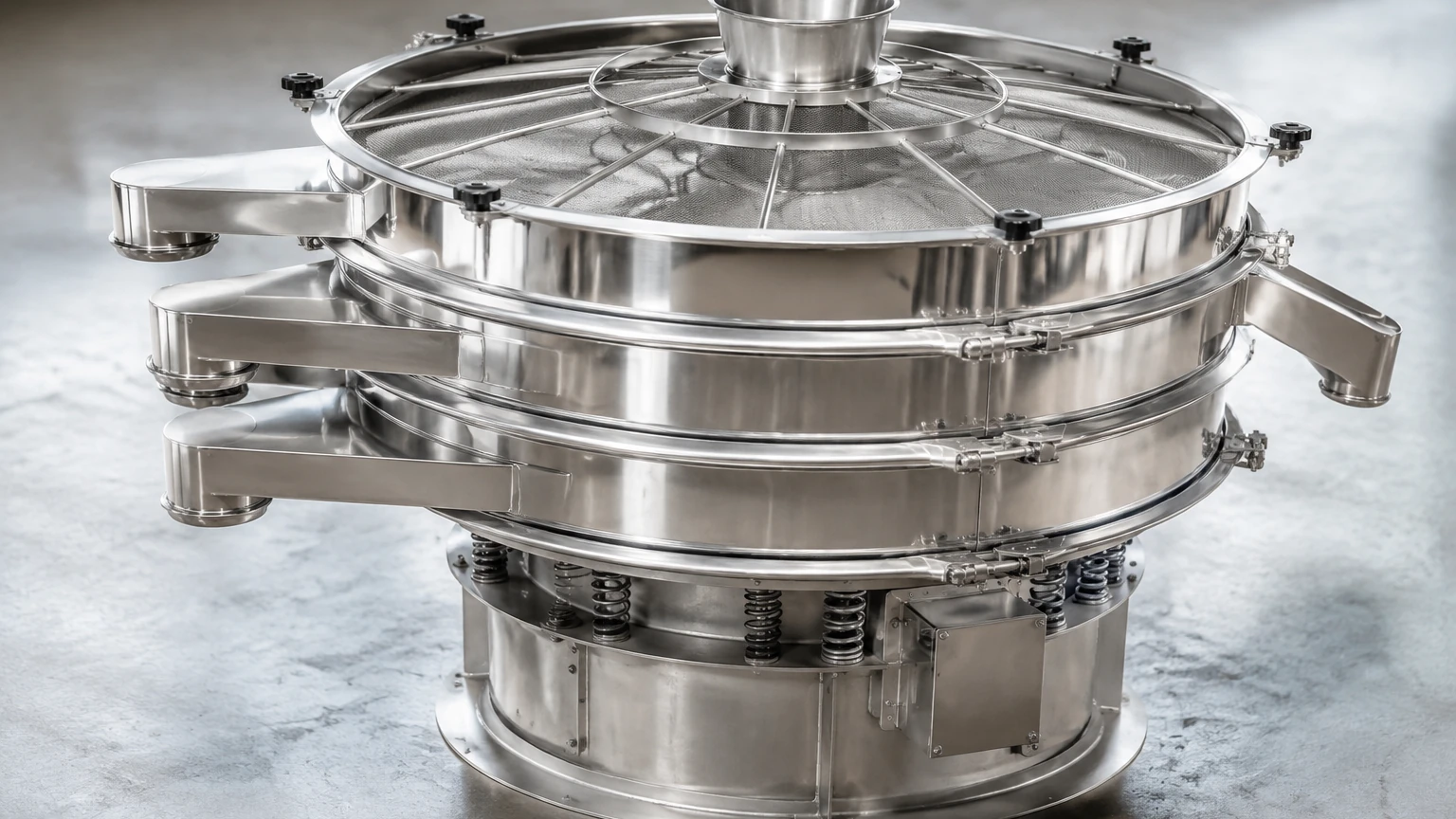
In industrial separation and filtration, the rotary shaker screen serves as a critical component for high-capacity processing of liquids and solids. Unlike static or vibrating flat screens, rotary systems utilize centrifugal force and rotational motion to achieve efficient particle size classification and dewatering. For engineers and procurement teams, selecting the correct mesh specifications and material grades is essential to ensure operational longevity and process accuracy. This guide examines the technical engineering considerations, material science, and selection criteria necessary for optimizing rotary shaker screen performance in demanding industrial environments.
Understanding the Mechanics of Rotary Shaker Screens
A rotary shaker screen, often referred to as a centrifugal sifter or rotary drum screen, operates by feeding material into a cylindrical screen basket. Inside the basket, high-speed rotating paddles or an auger assembly propel the material against the inner surface of the mesh. The centrifugal force drives the undersized particles (fines) through the screen openings, while the oversized material (tails) continues along the length of the cylinder to be discharged at the end.
From an engineering perspective, the efficiency of this process depends on the "G-force" generated by the rotation speed and the diameter of the drum. Higher speeds increase throughput but can also accelerate wear on the wire mesh. The interaction between the material and the screen surface is dynamic; therefore, the screen must possess high mechanical strength to withstand constant impact and tension without deforming. Kaifil specializes in manufacturing these high-performance mesh components, ensuring that the structural integrity of the screen matches the mechanical demands of the rotary system.
Material Engineering: Why Stainless Steel is Standard
The choice of material for a rotary shaker screen is perhaps the most significant factor in determining its service life and resistance to failure. In most industrial applications, stainless steel is the preferred medium due to its balance of tensile strength, corrosion resistance, and thermal stability.
Grade 304 Stainless Steel
Grade 304 is the standard industrial choice for applications involving non-corrosive or mildly corrosive materials. It provides excellent durability and is cost-effective for general-purpose screening in industries like mineral processing or dry bulk handling.
Grade 316 and 316L Stainless Steel
For environments involving chemical processing, pharmaceuticals, or high-salinity fluids, Grade 316 is required. The addition of molybdenum enhances resistance to pitting and crevice corrosion, particularly in the presence of chlorides. Grade 316L (low carbon) is often specified for components requiring extensive welding, as it prevents carbide precipitation that could lead to intergranular corrosion at the mesh joints.
Advanced Alloys
In extreme cases involving highly acidic or alkaline environments, specialized alloys such as Duplex stainless steel or Monel may be utilized. These materials offer superior resistance to stress corrosion cracking, which is a common failure mode in rotary screens subjected to high mechanical tension and aggressive chemical exposure.
Selection Criteria for Industrial Filtration Accuracy
When specifying a rotary shaker screen, engineers must evaluate several technical parameters to ensure the mesh aligns with the desired filtration outcome. These parameters include:
1. Mesh Count and Micron Rating: The mesh count refers to the number of wires per linear inch. This determines the filtration accuracy, or the size of the particles that can pass through. For precision applications, the micron rating (the actual distance between wires) is a more accurate measure of performance.
2. Wire Diameter: There is a constant trade-off between wire diameter and open area. Thicker wires increase the lifespan of the screen and its resistance to abrasion but reduce the total open area, which can limit throughput. Conversely, thinner wires maximize flow rates but are more susceptible to fatigue and physical damage.
3. Percentage of Open Area: This is the ratio of the total area of the openings to the total area of the screen. A higher open area percentage reduces the pressure drop across the screen and increases the volume of material processed per hour.
4. Weave Type: While plain weave is common, twill weaves or Dutch weaves may be used for finer filtration or when higher mechanical strength is required. In rotary applications, the weave must be tight enough to prevent wire shifting under centrifugal load.
Customization Options for OEM and Specialized Applications
Industrial filtration is rarely a one-size-fits-all solution. Rotary shaker screens often require specific customizations to integrate seamlessly into existing machinery or to handle unique material characteristics. As a professional manufacturer, Kaifil provides extensive OEM capabilities to address these needs.
Reinforced Edges and Support Frames
Because rotary screens are under constant tension, the points where the mesh attaches to the drum frame are vulnerable. Customizations often include reinforced edging, such as spot-welded strips or specialized gaskets, to prevent fraying and ensure a leak-proof seal. In high-load applications, a secondary, coarser support mesh may be layered behind the primary filtration mesh to provide structural backing without significantly impeding flow.
Surface Treatments
To enhance performance, screens can undergo various surface treatments. Electropolishing is frequently used in the food and pharmaceutical industries to create a microscopically smooth surface that resists bacterial growth and makes cleaning easier. Additionally, specialized coatings can be applied to reduce the coefficient of friction, helping sticky or cohesive materials move through the screen more efficiently.
Operational Challenges: Blinding, Wear, and Maintenance
One of the primary challenges in rotary screening is "blinding" or "pegging," where particles become lodged in the mesh openings, effectively reducing the active filtration area. This is particularly common when processing materials with high moisture content or near-size particles (particles nearly the same size as the mesh opening).
To mitigate blinding, engineers should consider:
* Vibration Integration: Some rotary systems incorporate ultrasonic or mechanical vibration to dislodge particles.
* Mesh Geometry: Using rectangular or elongated openings can sometimes prevent near-size particles from getting stuck compared to square openings.
* Cleaning Cycles: Establishing a rigorous Clean-in-Place (CIP) protocol is essential. Stainless steel screens are advantageous here because they can withstand high-pressure washing and aggressive cleaning agents.
Maintenance cycles should be determined by monitoring the pressure differential across the screen and inspecting for wire thinning. In abrasive applications, such as sand or mineral processing, the inner surface of the rotary shaker screen will eventually wear down. Proactive replacement is more cost-effective than a catastrophic screen failure, which could lead to downstream contamination and unscheduled downtime.
Industry Applications and Efficiency Optimization
Rotary shaker screens are utilized across a diverse range of sectors, each with specific engineering requirements:
* Food and Beverage: Used for removing solids from wash water, juice clarification, or sifting flour and spices. These screens must meet stringent FDA and 3-A sanitary standards, requiring high-grade 316L stainless steel and smooth finishes.
* Chemical Processing: Used for catalyst recovery and the separation of crystalline products. The primary concern here is chemical compatibility and resistance to thermal expansion.
* Wastewater Treatment: Rotary drum screens are often the first line of defense in municipal and industrial wastewater plants, removing large debris and suspended solids to protect downstream pumps and membranes.
* Pharmaceuticals: Precision is paramount. Screens must provide exact particle size distribution (PSD) to ensure the efficacy and consistency of powdered medications.
To optimize efficiency, it is recommended to conduct a pilot test with the specific material being processed. This allows engineers to observe the flow characteristics and determine if the selected mesh count and wire diameter provide the optimal balance of throughput and filtration quality.
Conclusion: Selecting a Reliable Filtration Partner
The performance of a rotary shaker screen is a function of its engineering design, material quality, and application-specific customization. By selecting high-quality stainless steel components and paying close attention to mesh geometry and structural reinforcement, industrial operators can significantly reduce their total cost of ownership and improve process reliability.
For those seeking technical support or customized filtration components, Kaifil offers the expertise required to develop solutions for the most demanding environments. From material selection to final production, our focus remains on providing durable, high-precision filtration products. To explore our full range of capabilities and technical resources, please visit our Main Page for more information on how we support global industrial filtration needs.
