


Self Cleaning Filtration System Manufacturer
In modern industrial processing, the transition from manual batch filtration to continuous, automated systems is a critical step toward operational efficiency. A professional self cleaning filtration system manufacturer provides the engineering expertise and high-performance components necessary to handle high-solids loading, viscous fluids, and demanding environmental conditions without the need for frequent manual intervention. For engineers and procurement teams, selecting the right manufacturing partner involves a deep understanding of filtration mechanics, material science, and the specific requirements of the application.
Automated filtration systems are designed to remove suspended solids from liquids while maintaining a constant flow rate. Unlike traditional bag or cartridge filters that require downtime for replacement, self-cleaning systems utilize mechanical or hydraulic mechanisms to clear the filter surface. This article explores the technical considerations, material standards, and selection criteria essential when evaluating a self cleaning filtration system manufacturer and their capabilities.
The Evolution of Industrial Filtration Automation
Industrial filtration has evolved from simple mesh screens to complex, sensor-driven systems. The primary driver for this evolution is the need to minimize downtime and reduce the total cost of ownership (TCO). In industries such as chemical processing, water treatment, and food production, even a few minutes of unscheduled downtime can result in significant financial losses.
A specialized manufacturer focuses on developing systems that can sense pressure differentials and trigger cleaning cycles automatically. This automation ensures that the filter element—often a precision-engineered stainless steel component—remains clear of debris, maintaining optimal flow dynamics. By eliminating the need for disposable filter media, these systems also align with sustainability goals by reducing waste and lowering the frequency of consumable purchases.
Core Technologies in Self-Cleaning Systems
When working with a self cleaning filtration system manufacturer, it is essential to understand the cleaning mechanisms available. The choice of technology depends largely on the nature of the contaminants and the viscosity of the fluid.
Mechanical Scraper Systems
Mechanical scraping is often used for high-viscosity liquids or fluids with a high concentration of sticky solids. The system uses a scraper blade—typically made of reinforced polymers or stainless steel—that moves across the surface of the filter element. This action physically dislodges the filter cake, which then settles into a collection chamber at the bottom of the housing for periodic purging. This method is highly effective for applications like oil filtration, paint processing, and food ingredients.
Backwash Filtration
Backwash systems utilize a portion of the filtered fluid (or an external clean fluid source) to flush the filter element in the reverse direction. This sudden reversal of flow dislodges particles trapped in the mesh or wedge wire. Backwash systems are common in water treatment and cooling tower applications where the particles are non-sticky and can be easily flushed away. A manufacturer must ensure that the backwash cycle is efficient enough to clean the mesh without excessive fluid loss.
Suction Scanning
Suction scanning technology combines the benefits of backwashing with localized cleaning. A scanning nozzle moves across the filter screen, creating a high-velocity vacuum effect that pulls debris off the mesh. This method is particularly effective for large-scale water filtration where high precision and minimal water waste are required.
Material Engineering and Durability Standards
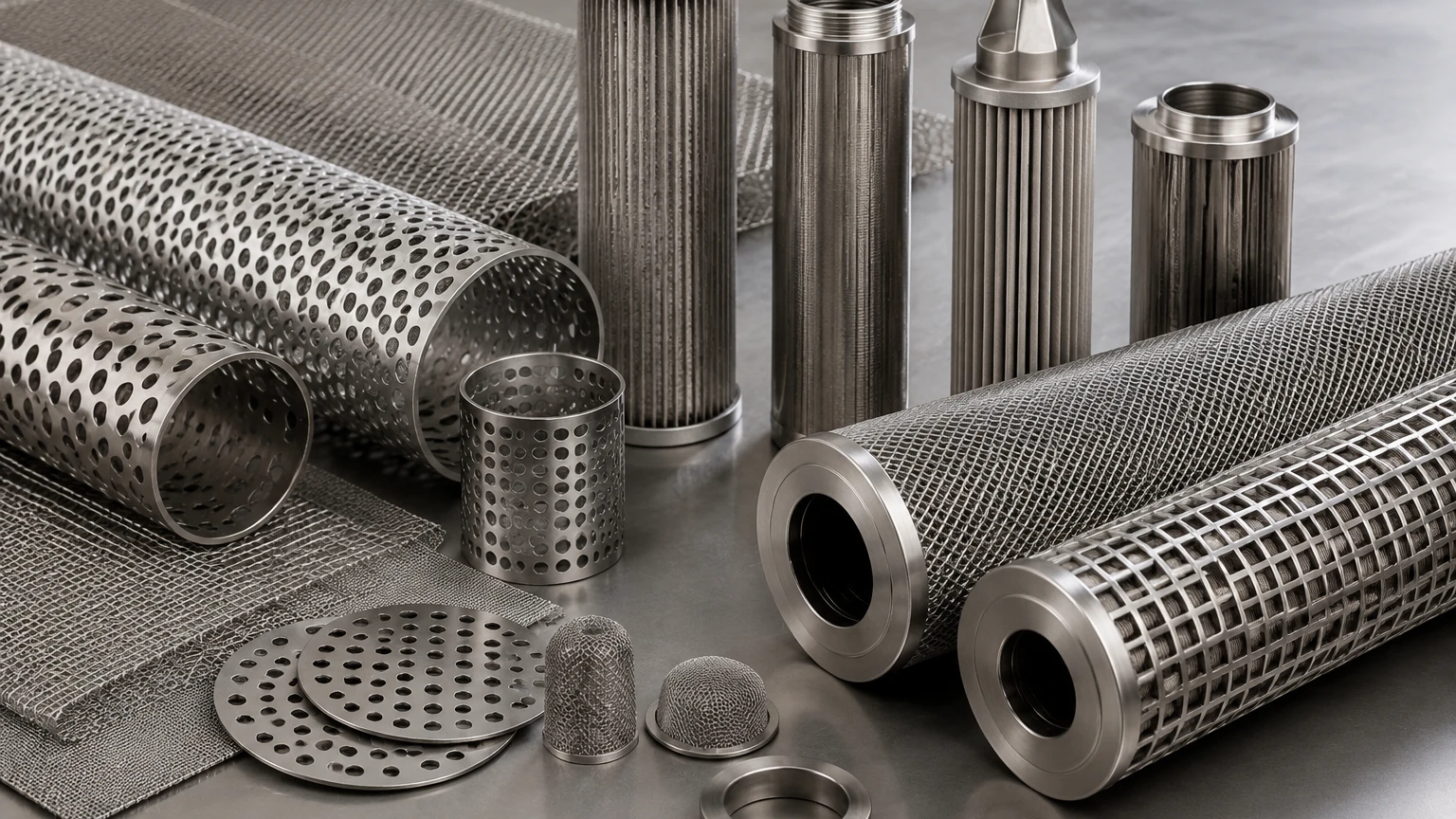
The heart of any automated filter is the filter element itself. As a specialist in stainless steel filtration solutions, Kaifil emphasizes the importance of material selection in ensuring the longevity of the system. Industrial environments often involve corrosive chemicals, high temperatures, and abrasive particles, all of which can degrade inferior materials.
Stainless Steel Grades
Most self-cleaning systems utilize 304 or 316L stainless steel. 316L is preferred in pharmaceutical and chemical applications due to its superior resistance to pitting and crevice corrosion, especially in chloride-rich environments. For extreme conditions, manufacturers may offer Duplex stainless steel or specialized coatings to extend the service life of the internal components.
Precision Wire Mesh and Wedge Wire
The geometry of the filter media is just as important as the material.
* Wedge Wire: Known for its V-shaped profile, wedge wire is ideal for self-cleaning systems because it provides a two-point contact for particles, significantly reducing the risk of clogging (blinding). The widening gap between the wires allows particles to pass through easily during the cleaning cycle.
* Sintered Wire Mesh: For applications requiring high-pressure resistance and fine micron ratings, multi-layer sintered mesh provides a robust, porous structure that can withstand the mechanical stresses of scraping or high-pressure backwashing.
Key Selection Criteria for Engineering Teams
Choosing a self cleaning filtration system manufacturer requires more than just looking at a product catalog. Engineering teams must confirm that the manufacturer can meet specific performance benchmarks tailored to their process.
Filtration Accuracy and Micron Rating
Engineers must distinguish between nominal and absolute filtration ratings. A nominal rating refers to the ability of the filter to retain a percentage of particles of a certain size, while an absolute rating indicates that 99.9% of particles above that size will be captured. The manufacturer should provide certified test data to back these claims, especially for critical pharmaceutical or food-grade applications.
Flow Rate and Pressure Drop
The system must be sized to handle the maximum expected flow rate without causing an excessive pressure drop (ΔP). An oversized system is an unnecessary capital expense, while an undersized system will trigger cleaning cycles too frequently, leading to premature wear on the mechanical components. A reputable manufacturer will perform flow simulations or provide detailed performance curves during the design phase.
Compatibility with Fluid Properties
Viscosity, density, and chemical composition play a major role in system design. High-viscosity fluids require more robust scraper mechanisms and larger motor drives. If the fluid is shear-sensitive, the cleaning mechanism must be designed to avoid damaging the product. For more information on product compatibility and technical specifications, engineers can visit the Main Page for comprehensive resource guides.
The Role of Customization in OEM Filtration
Standard off-the-shelf filtration units often fail to meet the unique constraints of specialized industrial plants. This is where the capabilities of an OEM-focused self cleaning filtration system manufacturer become invaluable. Customization can involve anything from specialized inlet/outlet configurations to the integration of specific PLC (Programmable Logic Controller) brands for seamless communication with the plant’s existing SCADA system.
Kaifil provides reliable OEM and customized filtration solutions by working closely with global customers to develop components that meet specific application requirements. Whether it is adjusting the filtration surface area to fit within a tight footprint or designing a custom filter cartridge for a proprietary chemical process, customization ensures that the filtration system is an asset rather than a bottleneck.
Operational Efficiency and Total Cost of Ownership
While the initial capital expenditure for an automated self-cleaning system is higher than that of a manual filter, the Total Cost of Ownership (TCO) is significantly lower over the long term. Engineers should evaluate the following factors when calculating ROI:
1. Reduced Labor Costs: Manual filter cleaning and replacement require dedicated man-hours. Automated systems operate autonomously, freeing up staff for more critical tasks.
2. Elimination of Consumables: The cost of purchasing, storing, and disposing of filter bags or disposable cartridges adds up quickly. Permanent stainless steel elements eliminate these recurring costs.
3. Increased Yield: In many processes, the fluid lost during a filter change or backwash cycle represents lost revenue. High-efficiency self-cleaning systems are designed to minimize fluid loss during the purge cycle.
4. Energy Consumption: A well-designed system maintains a low pressure drop, which reduces the load on pumps and lowers overall energy consumption for the facility.
Technical Support and Maintenance Cycles
Even the most robust automated systems require periodic inspection. A professional manufacturer provides clear guidelines on maintenance intervals and the replacement of wear parts, such as seals and scraper blades. When selecting a partner, confirm their ability to provide technical support and spare parts quickly. Durable filtration components are essential, but the availability of engineering support to troubleshoot performance issues is what ensures long-term operational success.
In conclusion, a self cleaning filtration system manufacturer is a strategic partner in industrial process optimization. By focusing on precision-engineered stainless steel components, appropriate cleaning technologies, and custom OEM capabilities, manufacturers like Kaifil help industries achieve reliable, continuous, and cost-effective filtration. For those looking to upgrade their current systems or design new installations, understanding these technical boundaries is the first step toward a more efficient production line.
Download Self Cleaning Filtration System Manufacturer as a PDF
