


Stainless Steel Filter Housing Manufacturers
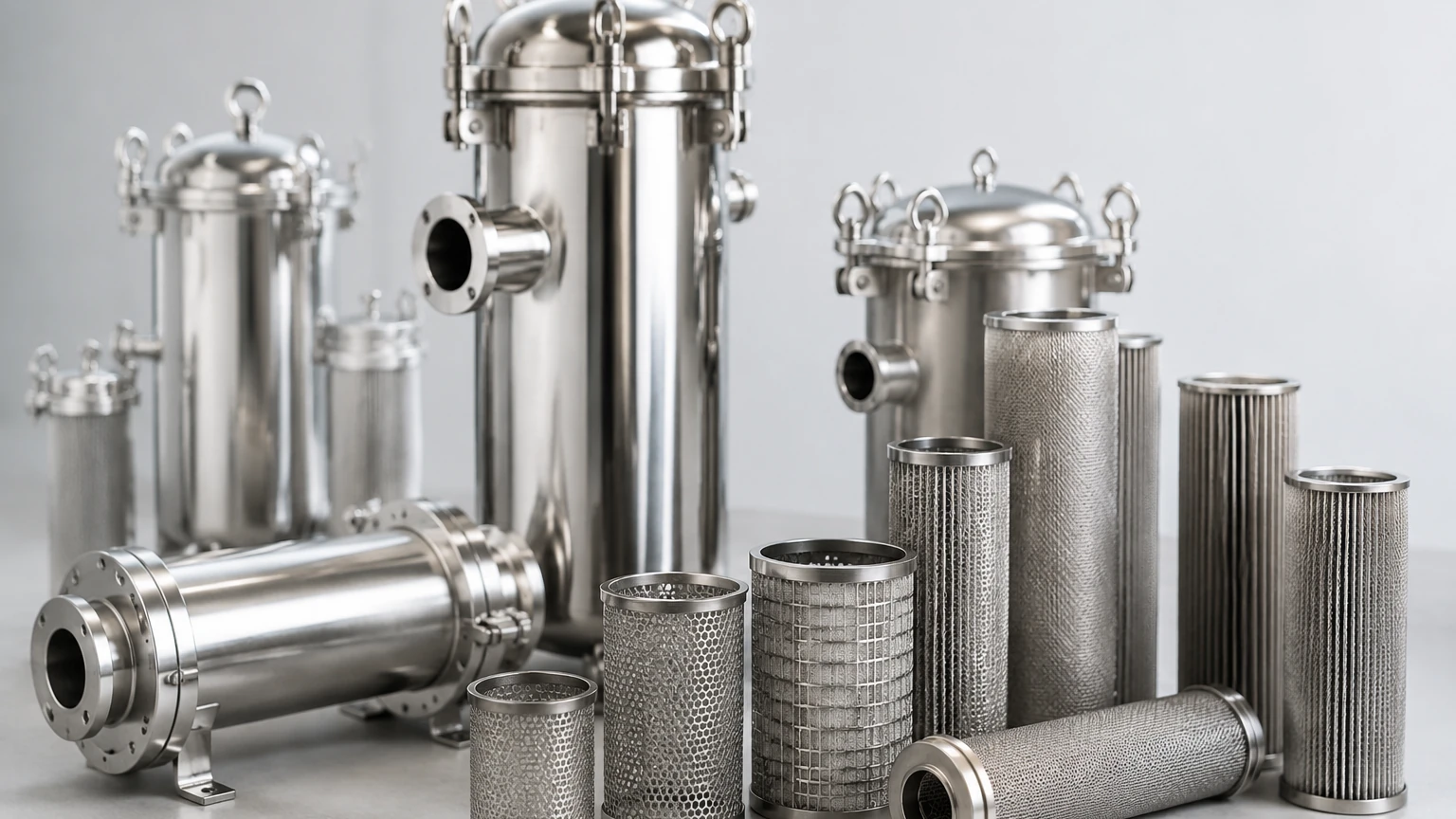
In industrial filtration systems, the filter housing serves as the critical pressure vessel that contains the filter element, manages fluid flow, and ensures the integrity of the separation process. For engineers and procurement professionals, selecting from the various stainless steel filter housing manufacturers requires a deep understanding of material science, pressure vessel standards, and the specific nuances of the application environment. A housing is not merely a container; it is a precision-engineered component that must withstand mechanical stress, chemical corrosion, and thermal fluctuations while maintaining a leak-proof seal.
When evaluating manufacturers, the focus must shift from simple price points to technical compliance and long-term durability. This guide examines the essential criteria for selecting a manufacturing partner, the technical specifications that define high-performance housings, and the risks associated with inadequate fabrication standards.
The Technical Role of Stainless Steel Filter Housings
The primary function of a filter housing is to provide a secure environment for the filter media—whether it be wire mesh, sintered metal, or pleated cartridges. Stainless steel is the industry standard for these housings due to its exceptional strength-to-weight ratio and resistance to oxidation.
Manufacturers must design these vessels to handle specific flow rates and pressure drops. A well-designed housing minimizes turbulence and ensures that the fluid is distributed evenly across the surface of the filter element. This uniform distribution is critical for maximizing the service life of the filter media and preventing premature clogging or structural failure of the element. Furthermore, the internal geometry must be designed to eliminate "dead zones" where bacteria or contaminants could accumulate, a factor that is particularly vital in the food, beverage, and pharmaceutical sectors.
Material Selection: 304 vs. 316L Stainless Steel
One of the first technical hurdles in selecting a manufacturer is confirming their expertise in metallurgy. Most industrial housings are fabricated from either Grade 304 or Grade 316L stainless steel.
* Grade 304: Suitable for general industrial applications, including water treatment and some hydraulic systems. It offers good corrosion resistance but can be susceptible to pitting in high-chloride environments.
* Grade 316L: The "L" stands for low carbon, which is essential for preventing sensitization during the welding process. 316L contains molybdenum, which significantly enhances its resistance to chemical attack and chloride-induced pitting. This grade is the standard for chemical processing, marine environments, and sanitary applications.
Reliable stainless steel filter housing manufacturers provide full material traceability, including Mill Test Reports (MTRs), to verify that the alloy composition meets the required standards. Using sub-standard or unverified materials can lead to catastrophic vessel failure or product contamination.
Engineering Standards and Pressure Ratings
Because filter housings operate under pressure, they are often subject to strict engineering codes. Depending on the region and the application, manufacturers may need to adhere to ASME (American Society of Mechanical Engineers) Section VIII standards or the European Pressure Equipment Directive (PED).
Key engineering considerations include:
1. Design Pressure and Temperature: The housing must be rated for the maximum possible surge pressure and the highest operating temperature of the process. Manufacturers should perform hydrostatic testing—typically at 1.5 times the design pressure—to ensure structural integrity.
2. Sealing Mechanisms: The choice of O-ring or gasket material (such as EPDM, Viton, or PTFE) must be compatible with the process fluid. The housing's seal seat must be precision-machined to prevent bypass, which occurs when unfiltered fluid leaks around the element.
3. Connection Types: Whether the system requires NPT threads, flanged connections, or sanitary tri-clamp fittings, the manufacturer must ensure that the connections are robust and meet the required flow specifications.
Evaluating Customization and OEM Capabilities
Standard, off-the-shelf housings often fail to meet the specific spatial or performance requirements of complex industrial systems. This is where the distinction between a commodity supplier and a specialized manufacturer like Kaifil becomes apparent. Customization is frequently required for unique flow paths, multi-round cartridge configurations, or integrated monitoring ports for differential pressure gauges.
When seeking a custom solution, engineers should look for manufacturers that offer:
* Design Support: The ability to review CAD drawings and provide feedback on manufacturability and flow optimization.
* Prototyping: For large-scale OEM projects, the ability to produce a prototype for field testing is invaluable.
* Integration Expertise: A manufacturer that understands both the housing and the internal filtration media (such as custom wire mesh filters) can provide a more cohesive solution. You can Review product options and application support on the Main Page to understand how integrated designs improve system efficiency.
Surface Finish and Sanitary Requirements
In industries such as pharmaceuticals and biotechnology, the internal surface finish of the filter housing is as important as the material itself. Rough surfaces provide microscopic anchor points for biofilms and particulate matter.
Manufacturers use various methods to achieve the required surface roughness (measured as Ra). Mechanical polishing can achieve a smooth finish, but electropolishing is often preferred for high-purity applications. Electropolishing is an electrochemical process that removes the "peaks" of the metal surface, resulting in a mirror-like finish that is easy to clean and highly resistant to corrosion. A reputable manufacturer will provide profilometer readings to certify the Ra value of the finished vessel.
Common Risks in Procurement
Selecting a manufacturer based solely on the lowest bid often introduces significant risks to the production line. Common issues encountered with low-tier manufacturers include:
* Poor Weld Quality: Inconsistent welding can lead to stress corrosion cracking or leaks. High-quality manufacturers employ certified welders and utilize TIG (Tungsten Inert Gas) welding for clean, strong joints.
* Inadequate Material Thickness: To save costs, some suppliers may use thinner gauge steel than is safe for the rated pressure, leading to vessel deformation over time.
* Bypass Issues: If the internal support plate or the sealing surface is not perfectly flat or centered, the filter element will not seat correctly, allowing contaminants to bypass the filter.
* Lack of Documentation: Without proper certification and testing logs, it becomes difficult to comply with industry audits or troubleshoot failures.
Total Cost of Ownership (TCO) vs. Initial Price
For B2B buyers, the total cost of ownership should guide the decision-making process. A cheaper housing that requires frequent gasket replacements, suffers from corrosion, or causes unplanned downtime due to leaks is significantly more expensive than a high-quality unit over a five-year period.
Investing in a housing from a manufacturer that prioritizes precision engineering ensures that the internal filter elements—which are recurring expenses—perform at their maximum efficiency. Proper housing design reduces the frequency of filter changes by ensuring the entire surface area of the media is utilized, thereby lowering the long-term operational costs of the filtration system.
Essential Questions for Manufacturers
Before finalizing a partnership with stainless steel filter housing manufacturers, technical teams should confirm the following:
1. What welding certifications do your technicians hold? (e.g., AWS or ISO standards).
2. Can you provide a 3.1 material certificate for the stainless steel used?
3. What is your standard testing protocol for pressure vessels?
4. How do you ensure the internal alignment of the filter element supports to prevent bypass?
5. What are your lead times for custom-engineered solutions compared to standard models?
Conclusion
The selection of a stainless steel filter housing manufacturer is a strategic decision that impacts the safety, efficiency, and purity of industrial processes. By focusing on material integrity, engineering compliance, and the ability to provide customized solutions, organizations can secure filtration systems that withstand the rigors of demanding environments. Whether the application involves high-pressure hydraulics or sanitary food processing, the housing remains the first line of defense in maintaining system integrity. For those seeking specialized components and technical guidance, visiting the Main Page provides access to a wealth of information on custom filtration solutions and engineering support.
Download Stainless Steel Filter Housing Manufacturers as a PDF
