


Steel Well Casing Pipe
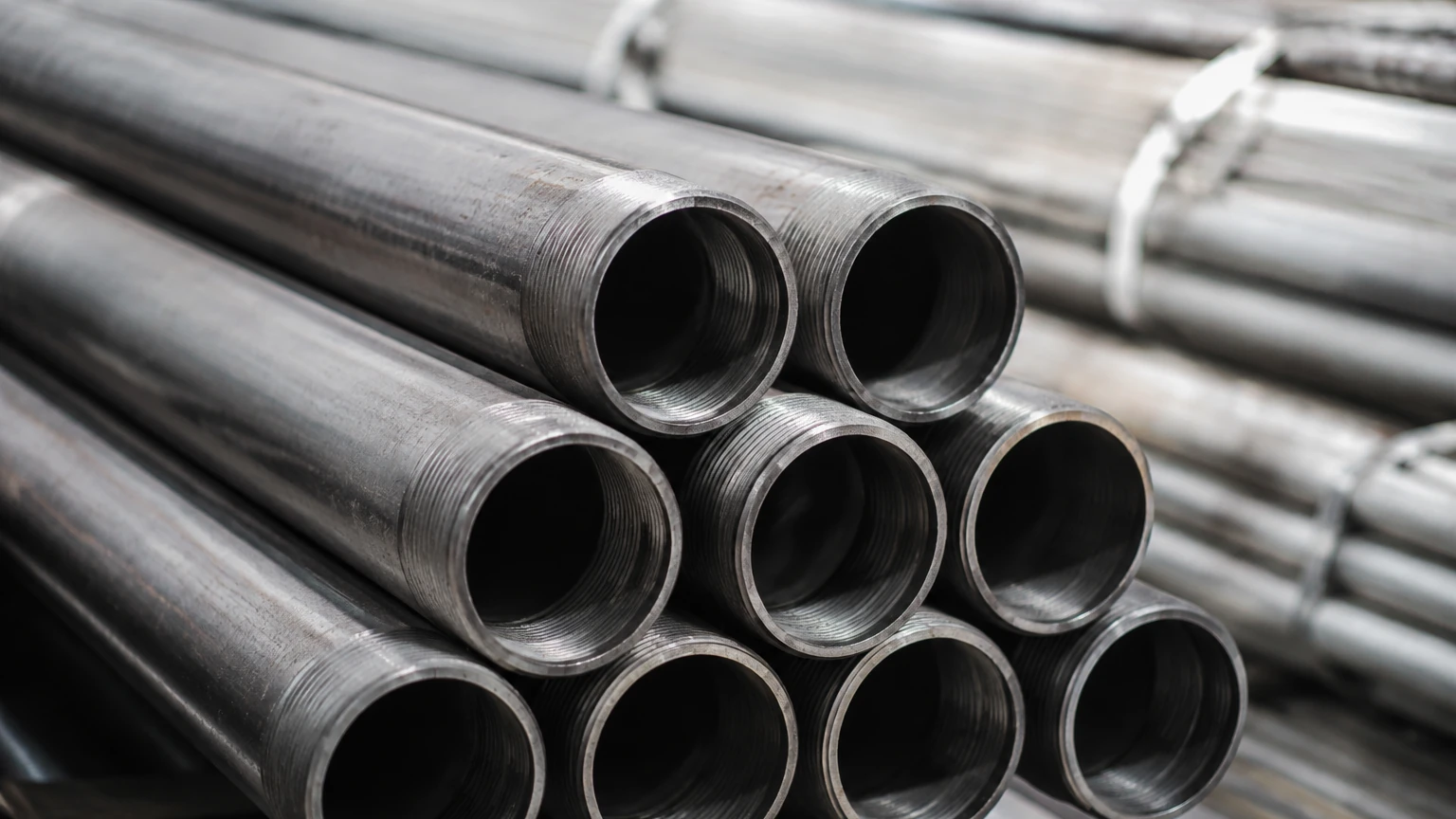
In industrial water extraction, chemical processing, and geothermal applications, the structural integrity of a borehole is maintained by the steel well casing pipe. This critical component serves as the permanent lining of the well, preventing the collapse of the surrounding soil and rock formations while protecting the extracted fluid from contamination. For engineers and procurement professionals, selecting the appropriate steel well casing pipe involves a complex evaluation of mechanical properties, corrosion resistance, and compatibility with downstream filtration systems.
As a foundational element of well construction, the casing must withstand significant external pressures and internal hydraulic loads. While the casing provides the structural shell, it works in tandem with specialized filtration components, such as well screens and wire mesh filters, to ensure the purity and flow rate of the medium. Understanding the technical nuances of casing materials and specifications is essential for optimizing the lifespan and efficiency of industrial well systems.
The Functional Role of Steel Well Casing in Industrial Infrastructure
The primary function of a steel well casing pipe is to provide a stable conduit from the target aquifer or resource zone to the surface. In industrial environments, these pipes are subjected to harsh conditions that demand high-performance materials. The casing performs several vital roles:
1. Borehole Stabilization: During and after drilling, the geological pressure of the surrounding earth can cause the borehole to collapse. The steel casing provides the necessary hoop strength to resist these compressive forces.
2. Zonal Isolation: In many industrial applications, multiple aquifers or geological strata are penetrated. The casing, often combined with cementation in the annular space, prevents the migration of fluids between different layers, ensuring that only the desired fluid is extracted and preventing the contamination of shallow freshwater zones.
3. Housing for Pumping Equipment: The internal diameter of the casing must be sufficient to house submersible pumps, drop pipes, and monitoring sensors. It acts as a protected environment for these high-value assets.
4. Interface for Filtration: The lower sections of the casing often transition into or house the filtration assembly. This is where the structural casing meets the precision-engineered filter cartridges or wire mesh screens designed to exclude sand and silt.
For technical teams, the Main Page of a specialized filtration manufacturer offers insights into how these structural pipes integrate with precision metal filter components to create a cohesive extraction system.
Material Selection: Carbon Steel vs. Stainless Steel
One of the most critical decisions in well design is the selection of the pipe material. The choice between carbon steel and stainless steel well casing pipe is typically driven by the chemistry of the environment and the required service life of the installation.
Carbon Steel Casing
Carbon steel is frequently used in non-corrosive environments or for temporary installations due to its high strength-to-weight ratio and lower initial cost. However, it is highly susceptible to oxidation and scale buildup. In industrial water wells, the corrosion of carbon steel can lead to structural failure or the introduction of iron oxides into the fluid stream, which can clog downstream filtration systems and damage sensitive equipment.
Stainless Steel Casing
For demanding industrial applications, particularly in chemical processing or food and beverage production, stainless steel is the preferred material. Stainless steel well casing pipe, typically manufactured from grades such as 304 or 316, offers superior resistance to a wide range of corrosive agents.
* Grade 304: Suitable for most freshwater applications where chloride levels are moderate.
* Grade 316: Contains molybdenum, providing enhanced resistance to pitting and crevice corrosion in high-chloride environments or acidic conditions.
The use of stainless steel significantly reduces the risk of Microbiologically Influenced Corrosion (MIC) and ensures that the well remains viable for decades without the need for expensive rehabilitation. Furthermore, the smooth surface finish of stainless steel reduces frictional losses and minimizes the accumulation of biofilms.
Technical Specifications and Engineering Standards
Procurement of steel well casing pipe must adhere to strict engineering standards to ensure safety and performance. Engineers must evaluate several key parameters during the specification process:
Wall Thickness and Collapse Strength
Wall thickness is determined by the depth of the well and the expected hydrostatic pressure. The "collapse strength" is the most critical mechanical property; if the external pressure exceeds the yield strength of the steel, the pipe will fail. Engineers use formulas derived from ASTM or API standards to calculate the required thickness, often including a safety factor to account for unforeseen geological shifts.
Connection Types
How the pipe segments are joined impacts both the structural integrity and the speed of installation. Common methods include:
* Threaded and Coupled (T&C): Provides a secure, leak-proof joint that is easy to assemble on-site. Precision threading is essential to prevent galling, especially in stainless steel applications.
* Welded Joints: Offer a continuous, high-strength connection but require skilled labor and specialized equipment on the rig floor. Welded joints are common in large-diameter industrial wells.
Compliance Standards
Industrial casing should comply with recognized standards such as:
* ASTM A53/A589: Standards for pipe used in water wells.
* API 5CT: While primarily for the oil and gas industry, these standards are often adopted for deep industrial or geothermal wells due to their rigorous testing requirements for tensile strength and impact resistance.
Integration with Precision Filtration Systems
A steel well casing pipe is only one part of a complex system. For the well to function effectively, it must allow fluid to enter while keeping out solids. This is achieved through the integration of well screens and filtration components.
In high-performance industrial wells, the casing often terminates in a filtration zone where custom-designed stainless steel wire mesh filters or slotted liners are installed. These components must be engineered to match the flow characteristics and particle size distribution of the aquifer. Kaifil specializes in these precision components, offering OEM solutions that ensure the filtration assembly matches the durability of the primary casing.
The transition between the solid casing and the filtration screen is a common point of failure if not engineered correctly. Factors such as galvanic corrosion (if dissimilar metals are used) and mechanical stress at the joint must be managed through careful material selection and design. Utilizing stainless steel for both the casing and the filter components eliminates the risk of bimetallic corrosion and ensures a uniform thermal expansion coefficient, which is vital in geothermal or high-temperature industrial processes.
Installation and Maintenance Considerations
The longevity of a steel well casing pipe depends heavily on proper installation and proactive maintenance. During installation, the casing must be centered in the borehole using centralizers to ensure an even distribution of cement grout in the annular space. This grout sheath provides additional structural support and acts as a barrier against external corrosion.
Corrosion Monitoring
In industrial settings, regular monitoring of the well's performance can indicate the health of the casing. A sudden increase in turbidity or the presence of sand in the discharge can signal a breach in the casing or the filtration screen. Downhole camera inspections are a standard diagnostic tool used to visualize the internal condition of the pipe and identify areas of scale buildup or structural distress.
Rehabilitation and Cleaning
Over time, even stainless steel casing may require cleaning to remove mineral deposits or biological growth. Chemical treatment and high-pressure jetting are common rehabilitation techniques. When selecting a steel well casing pipe, engineers must ensure the material is compatible with the chemical agents used for well development and maintenance.
Total Cost of Ownership (TCO) in B2B Procurement
While the initial purchase price of a steel well casing pipe is a major factor in project budgeting, B2B purchasing teams must focus on the Total Cost of Ownership (TCO). A lower-cost carbon steel pipe may require frequent chemical treatments, sacrificial anodes, or even premature well replacement, leading to significantly higher costs over the project's lifecycle.
Investing in high-quality stainless steel casing and precision filtration components from the outset minimizes downtime and maintenance expenses. For industrial facilities where water or fluid supply is critical to production, the reliability of the well infrastructure is a strategic asset. By sourcing components that meet exact application requirements—ranging from filtration accuracy to material grade—companies can ensure optimized performance in demanding environments.
Conclusion
The steel well casing pipe is the backbone of any industrial well, providing the necessary structural integrity to support deep-earth extraction. Whether the application involves chemical processing, pharmaceutical manufacturing, or municipal water treatment, the choice of casing material and its integration with filtration systems are paramount. By prioritizing engineering standards, material compatibility, and long-term durability, technical professionals can design systems that withstand the rigors of the subsurface environment.
For those seeking to optimize their industrial filtration and extraction systems, exploring specialized manufacturing capabilities is the next logical step. Detailed technical data on precision components can be found on the Main Page, providing the foundation for informed decision-making in complex filtration projects.
