


Tubular Backwashing Filters
In industrial liquid processing, the requirement for continuous operation and minimal downtime has led to the widespread adoption of automated filtration systems. Among these, tubular backwashing filters stand out as a robust solution for removing suspended solids from low-viscosity liquids. These systems are designed to provide consistent filtration performance while self-cleaning through a reversal of flow, a process known as backwashing. For engineers and facility managers, understanding the mechanical nuances, material constraints, and operational parameters of these filters is essential for optimizing process efficiency and ensuring the longevity of downstream equipment.
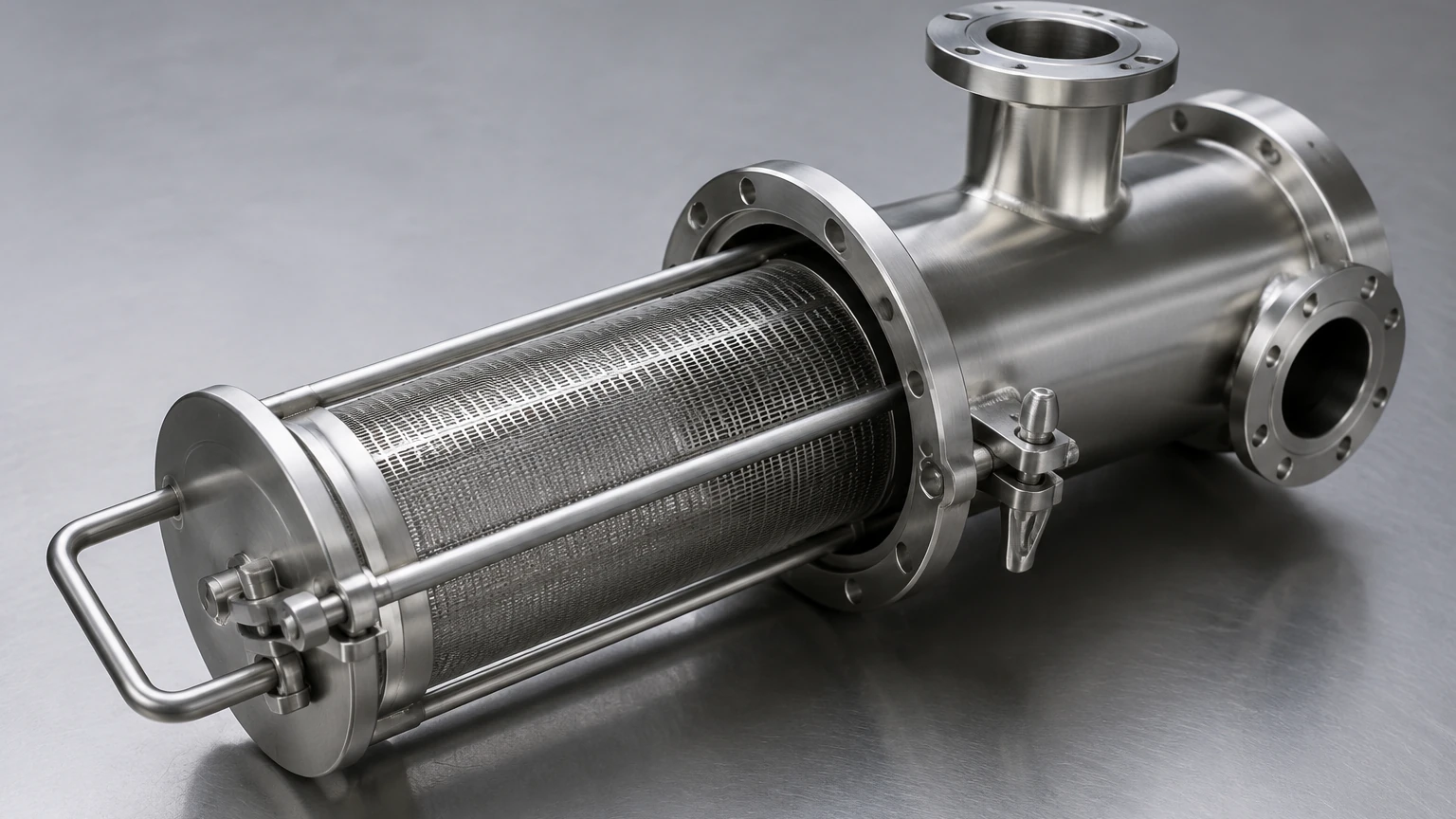
Tubular backwashing filters are typically employed in applications where the solids loading is relatively low to moderate, but where the process cannot be interrupted for manual filter cleaning. By utilizing a bank of cylindrical filter elements, these systems can isolate individual tubes for cleaning while the remaining elements continue to process the main flow. This modular approach ensures a steady supply of filtered fluid, making them indispensable in sectors such as chemical processing, water treatment, and power generation.
The Operational Principles of Tubular Backwashing Filters
The fundamental operation of a tubular backwashing filter involves two distinct phases: the filtration cycle and the backwash (or cleaning) cycle. During the filtration cycle, the process fluid enters the filter housing and passes through the filter media. In most tubular designs, the flow is from the inside of the tube to the outside (or vice versa, depending on the specific element design), where contaminants are trapped on the surface of the media. As the layer of trapped solids—often referred to as the filter cake—thickens, the resistance to flow increases, leading to a rise in differential pressure (ΔP).
The cleaning cycle is triggered when this differential pressure reaches a pre-set threshold, or after a specific time interval has elapsed. To clean the system without stopping the flow, the filter typically utilizes multiple parallel tubes. An automated valve system isolates one tube at a time. A portion of the filtered fluid (or an external cleaning fluid) is then forced in the reverse direction through the isolated tube. This high-velocity reverse flow dislodges the accumulated solids from the media surface and carries them out through a dedicated drain or reject port. Once the cleaning of one tube is complete, the system rotates to the next element until the entire bank is refreshed.
There are two primary methods of backwashing: internal and external. Internal backwashing uses the clean filtrate from the other operating tubes to provide the cleaning energy. This is efficient as it requires no additional fluid source but does result in a small loss of processed product. External backwashing utilizes a separate fluid—such as water or air—to clean the elements, which is often preferred when the process fluid is high-value or when the pressure of the filtrate is insufficient to provide a thorough clean.
Material Selection and Filter Media Construction
The performance and durability of tubular backwashing filters are heavily dependent on the materials used in their construction. Because these systems are often exposed to corrosive chemicals, high temperatures, and high-pressure pulses during the backwash cycle, stainless steel is the industry standard. Manufacturers like Kaifil specialize in utilizing high-grade alloys such as SS304, SS316L, and Duplex steels to ensure chemical compatibility and structural integrity. For more technical details on material specifications, engineers can refer to the Main Page for comprehensive product data.
The choice of filter media is equally critical. The two most common types used in tubular systems are wedge wire and sintered wire mesh.
1. Wedge Wire (Profile Wire): This media consists of V-shaped wires welded onto support rods. The V-shaped profile creates a slot that widens inwardly, which significantly reduces the risk of particles becoming wedged in the opening. Wedge wire is exceptionally robust and is preferred for applications involving coarse particles or where high mechanical strength is required to withstand frequent backwash pulses.
2. Sintered Wire Mesh: For finer filtration requirements, multi-layer sintered wire mesh is used. This media involves bonding several layers of stainless steel mesh together through a heat-treatment process (sintering), creating a stable, high-porosity structure. Sintered mesh provides precise micron ratings and is capable of capturing smaller particles than standard wedge wire, though it may require more careful backwash pressure management to avoid blinding over time.
Critical Engineering Parameters for System Specification
When specifying tubular backwashing filters, engineers must evaluate several technical parameters to ensure the system meets the application requirements. Failure to account for these variables can lead to frequent clogging, insufficient cleaning, or premature failure of the filter elements.
Filtration Accuracy (Micron Rating)
The micron rating defines the size of the particles the filter is intended to remove. It is important to distinguish between "nominal" and "absolute" ratings. In B2B industrial contexts, absolute ratings are often required for critical processes to ensure that 99.9% of particles above a certain size are captured. Tubular backwashing filters typically operate in the range of 25 to 500 microns, though specialized sintered media can achieve finer levels.
Flow Rate and Flux
The flow rate per unit area, or flux, determines the size of the filter system required. High flux rates can lead to rapid cake buildup and more frequent backwashing, which increases the wear on valves and seals. Conversely, sizing the system too large increases the initial capital expenditure. Engineers must balance the total flow requirement with the solids loading to determine the optimal number of tubes.
Operating Pressure and Temperature
Standard tubular filters are designed for pressures up to 10-20 bar, but custom designs can accommodate much higher pressures. Temperature is a limiting factor primarily for the seals and gaskets (such as Viton, EPDM, or PTFE) rather than the stainless steel elements themselves. If the process involves thermal cycling, the mechanical fatigue of the filter media must be considered.
Fluid Viscosity
Tubular backwashing filters are most effective with low-viscosity fluids (typically below 50-100 cP). High-viscosity liquids resist the flow reversal required for effective backwashing, often necessitating higher backwash pressures or specialized media designs to prevent the "smearing" of contaminants into the mesh.
Application-Specific Considerations in Industrial Environments
The versatility of tubular backwashing filters allows them to be integrated into various industrial stages, from raw water intake to final product polishing.
* Chemical Processing: In the production of resins, polymers, and specialty chemicals, these filters protect reactors and heat exchangers from particulate contamination. The ability to use 316L stainless steel ensures resistance to organic solvents and acidic environments.
* Water Treatment: They are frequently used for pre-filtration in Reverse Osmosis (RO) systems or for the removal of sand and scale in cooling tower circuits. The automated nature of the backwash cycle is particularly beneficial in remote or unmanned water treatment facilities.
* Food and Beverage: For applications like juice filtration or syrup clarification, the filters must meet sanitary standards. Stainless steel construction allows for Clean-in-Place (CIP) procedures, and the enclosed design prevents environmental contamination of the product.
* Pulp and Paper: These filters handle large volumes of white water, removing fibers and fillers to allow for water recycling within the mill. The durability of wedge wire is a significant advantage here due to the abrasive nature of some paper additives.
Evaluating Total Cost of Ownership and Operational Longevity
While the initial purchase price of an automated tubular backwashing filter is higher than that of manual bag or cartridge filters, the Total Cost of Ownership (TCO) is often significantly lower in high-volume applications. The primary cost drivers to consider include:
1. Reduced Labor Costs: Automated systems eliminate the need for manual intervention to change or clean filters, allowing personnel to focus on more complex tasks.
2. Consumable Savings: Unlike bag or depth cartridge filters, which must be disposed of after use, the stainless steel elements in tubular filters are permanent. Over a 2-to-5-year period, the savings on replacement consumables can often offset the initial capital cost of the system.
3. Product Yield: By optimizing the backwash duration and frequency, operators can minimize the loss of process fluid. Modern PLC-controlled systems allow for fine-tuning of these cycles to ensure that only the minimum amount of fluid is used for cleaning.
4. Energy Consumption: The pressure drop across a clean filter is minimal. However, as the filter fouls, the pump energy required to maintain flow increases. Automated backwashing ensures the filter operates within its most efficient pressure range, reducing long-term energy costs.
Custom Engineering and OEM Integration
Every industrial process has unique constraints, ranging from space limitations to specific chemical compatibilities. Standard off-the-shelf filtration units may not always provide the optimal balance of performance and footprint. This is where custom engineering becomes vital. Working with a manufacturer that offers OEM capabilities allows for the modification of housing dimensions, nozzle orientations, and the selection of specialized filter media tailored to the specific particle morphology of the waste stream.
For engineers, the selection process should begin with a detailed analysis of the fluid properties and the desired effluent quality. It is recommended to confirm the solids concentration (ppm), the particle size distribution (PSD), and the specific gravity of the contaminants. This data allows manufacturers to simulate the backwash efficiency and recommend the most appropriate media—whether it be a reinforced wire mesh for high-pressure pulses or a precision-slotted wedge wire for fibrous debris.
In conclusion, tubular backwashing filters represent a sophisticated intersection of mechanical engineering and fluid dynamics. By automating the cleaning process and utilizing the inherent durability of stainless steel, these systems provide a reliable solution for maintaining process continuity. When specified correctly, with a focus on material compatibility and appropriate filtration flux, they offer a sustainable and cost-effective filtration strategy for the most demanding industrial environments. For further technical specifications and to explore customized filtration components, visit the Main Page to consult with filtration specialists.
