


Tubular Reactor
In the landscape of industrial chemical processing, the tubular reactor—often referred to as a Plug Flow Reactor (PFR)—stands as a cornerstone for continuous production. These systems are designed to facilitate chemical reactions in a continuous, flowing stream, offering high efficiency and consistency for large-scale operations. However, the performance of a tubular reactor is inextricably linked to the quality of its internal components and the purity of the media passing through it. For engineers and procurement specialists, understanding the synergy between reactor design and high-precision filtration is essential for optimizing yield, protecting expensive catalysts, and ensuring the longevity of the equipment.
Filtration solutions, such as those found on the Kaifil Main Page, play a decisive role in maintaining the operational integrity of these reactors. From the removal of contaminants in the feed stream to the retention of catalyst particles, the choice of filtration media impacts nearly every metric of reactor performance.
Understanding the Mechanics of a Tubular Reactor
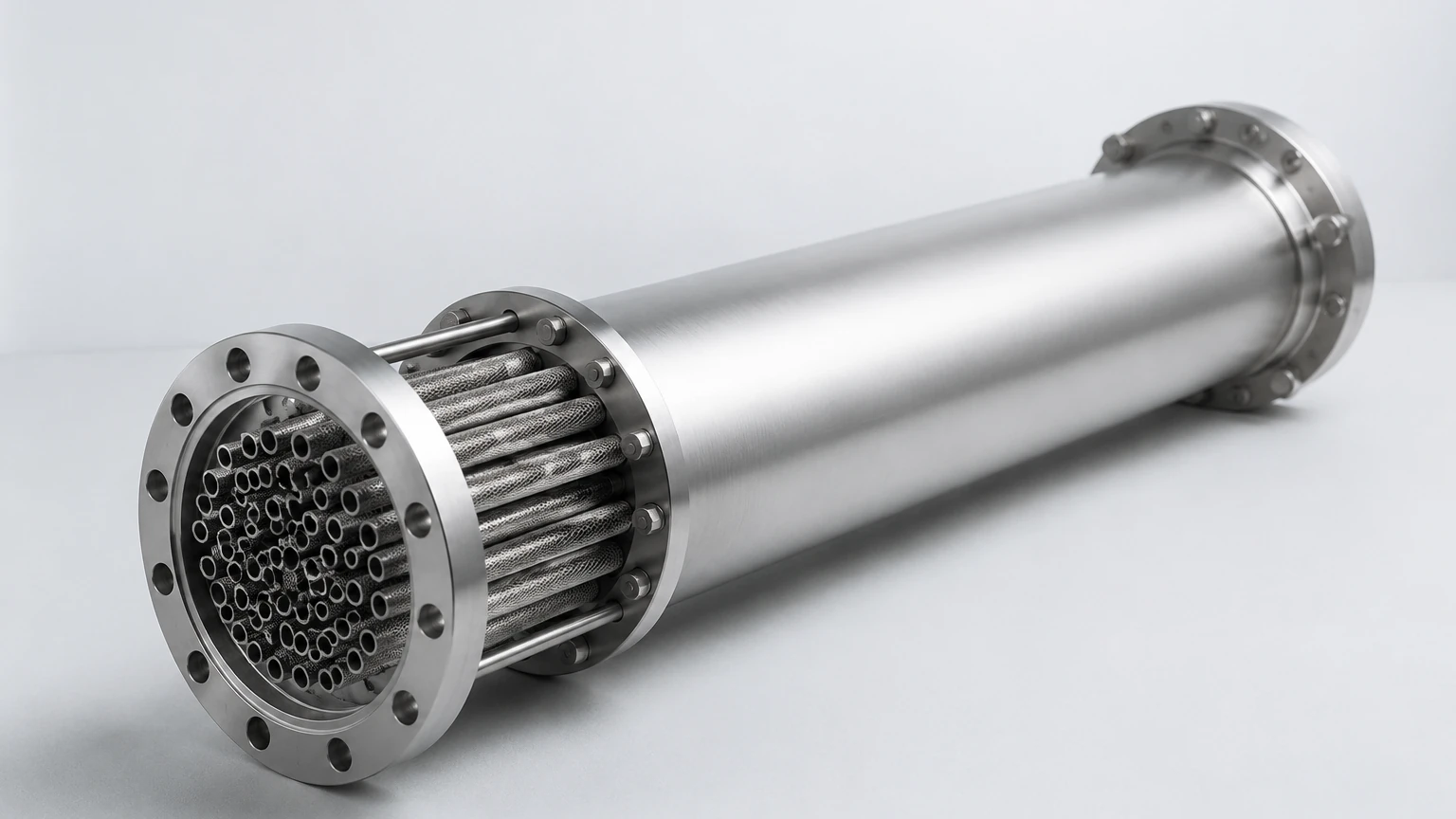
A tubular reactor consists of a cylindrical pipe or a series of tubes through which reactants flow at a steady rate. Unlike batch reactors, where the composition of the mixture changes over time, the composition in a tubular reactor varies with respect to the position along the length of the tube. This "plug flow" model assumes that the fluid is perfectly mixed in the radial direction but not in the axial direction.
This continuous operation offers several advantages, including high conversion rates per unit volume and excellent heat transfer capabilities, especially when the reactor is designed as a multi-tubular heat exchanger. However, the continuous nature of the process also means that any particulate matter or impurities in the feed can lead to significant issues. Plugging, fouling of heat transfer surfaces, and catalyst poisoning are constant risks that must be mitigated through robust engineering and precise filtration.
Critical Filtration Requirements in Continuous Flow Systems
In a tubular reactor environment, filtration is not a secondary consideration but a primary engineering requirement. There are three main areas where filtration is critical:
1. Feed Stream Purification
Before reactants enter the reactor, they must be free of solid contaminants. Particulates can originate from raw material storage, upstream piping corrosion, or previous processing steps. If these solids enter the tubular reactor, they can settle in low-velocity zones or accumulate on the surface of catalyst beds, leading to increased pressure drop and localized "hot spots" that can degrade product quality or damage the reactor shell.
2. Catalyst Retention and Support
Many tubular reactors utilize solid catalysts, either as a fixed bed or as a slurry. In fixed-bed reactors, stainless steel wire mesh or wedge wire screens are used to support the catalyst bed while allowing the fluid to pass through. These supports must be engineered to withstand the weight of the catalyst and the hydraulic forces of the flow without deforming. In slurry-based systems, downstream filters are required to recover the catalyst for recycling, which is vital for the economic viability of the process.
3. Downstream Product Polishing
After the reaction is complete, the effluent may contain trace amounts of catalyst fines or polymer gels. High-precision stainless steel filter cartridges are employed to ensure the final product meets stringent purity standards before moving to the next stage of production or packaging.
Material Engineering for High-Temperature and Corrosive Environments
The operating conditions within a tubular reactor are often extreme. High temperatures, elevated pressures, and chemically aggressive reactants necessitate the use of advanced materials for filtration components. Stainless steel, particularly grades 304 and 316L, is the industry standard due to its excellent mechanical properties and resistance to corrosion.
Corrosion Resistance
In chemical processing, the presence of acids, alkalis, or chlorides can lead to pitting and crevice corrosion. 316L stainless steel, with its molybdenum content, offers superior resistance to these environments compared to standard 304. For even more demanding applications involving high-temperature oxidation or extreme acidity, specialized alloys like Hastelloy or Monel may be integrated into the wire mesh design.
Thermal Stability
Tubular reactors often operate at temperatures exceeding 300°C. At these levels, polymer-based filters would fail or leach contaminants. Stainless steel filtration media maintain their structural integrity and filtration accuracy across a wide thermal range. Furthermore, the coefficient of thermal expansion for the filter housing and the filter element must be closely matched to prevent bypass or mechanical failure during thermal cycling.
Optimizing Pressure Drop and Flow Dynamics
One of the most significant challenges in tubular reactor design is managing the pressure drop across the system. According to the Ergun equation, the pressure drop in a packed bed is influenced by the fluid velocity, the viscosity, and the void fraction of the bed. Filtration elements contribute to this total pressure drop.
Permeability and Porosity
Engineers must select filter media that provide the necessary micron rating while maximizing permeability. Sintered wire mesh is often preferred for tubular reactor applications because it combines high mechanical strength with a controlled, uniform pore structure. This ensures that the filter does not become a bottleneck in the process, allowing for higher flow rates and reduced energy consumption for pumping.
Flow Distribution
Uniform flow distribution is essential for maintaining the "plug flow" characteristics of the reactor. If a filter or catalyst support screen is poorly designed, it can cause channeling, where the fluid takes the path of least resistance. This leads to uneven residence time distribution (RTD), resulting in incomplete reactions or the formation of unwanted byproducts. Precision-engineered metal filters ensure that the flow is distributed evenly across the entire cross-section of the tube.
Customization and OEM Integration for Reactor Internals
No two tubular reactors are identical. Variations in tube diameter, flow rate, and chemical composition require customized filtration solutions. OEM manufacturers like Kaifil specialize in developing bespoke components that fit the specific geometry and performance requirements of an industrial reactor.
Custom Geometries
Whether the reactor requires long, thin tubular filters to fit inside individual heat exchanger tubes or large-diameter support plates for a primary reactor vessel, customization is key. This includes specific end fittings, such as threaded connections, flanges, or O-ring seals, to ensure a leak-proof installation.
Multi-Layer Sintered Structures
For applications requiring both high filtration accuracy and extreme durability, multi-layer sintered mesh is used. This material bonds several layers of wire mesh together through a heat-treatment process, creating a single, robust element. The inner layers provide the fine filtration, while the outer layers provide the mechanical reinforcement necessary to withstand high differential pressures.
Maintenance Protocols and Filter Service Life
The total cost of ownership for a tubular reactor is heavily influenced by maintenance cycles. Frequent shutdowns for filter replacement or catalyst recharging are costly in terms of both labor and lost production time.
Clean-in-Place (CIP) Capabilities
Stainless steel filters are ideal for CIP processes. They can be cleaned using backwashing, ultrasonic cleaning, or chemical solvents without degrading the media. This extends the service life of the filter significantly compared to disposable alternatives. In a tubular reactor setup, automated backwash systems can often be integrated to clear the filter surface of accumulated solids without halting the primary flow.
Monitoring Performance
Engineers should monitor the differential pressure (ΔP) across filtration stages. A steady increase in ΔP indicates the accumulation of contaminants. By establishing a baseline for a clean filter, operators can predict when maintenance is required, moving from reactive to predictive maintenance strategies. This is crucial for avoiding unplanned downtime in continuous production environments.
Conclusion: Achieving Operational Excellence
The tubular reactor is a powerful tool for modern industry, but its efficiency is dependent on the precision of its components. High-quality stainless steel filtration solutions provide the necessary protection against contamination, ensure uniform flow distribution, and support the critical catalysts that drive chemical transformations.
By focusing on material selection, pressure drop optimization, and customized engineering, facilities can enhance the reliability of their reactor systems. For those seeking to evaluate specific filtration options or discuss custom OEM requirements for their continuous flow processes, reviewing the technical capabilities and product ranges available on the Main Page is a vital step toward achieving optimized filtration performance and long-term operational success.
