


Usa Commercial Pleated Air Filters Manufacturer
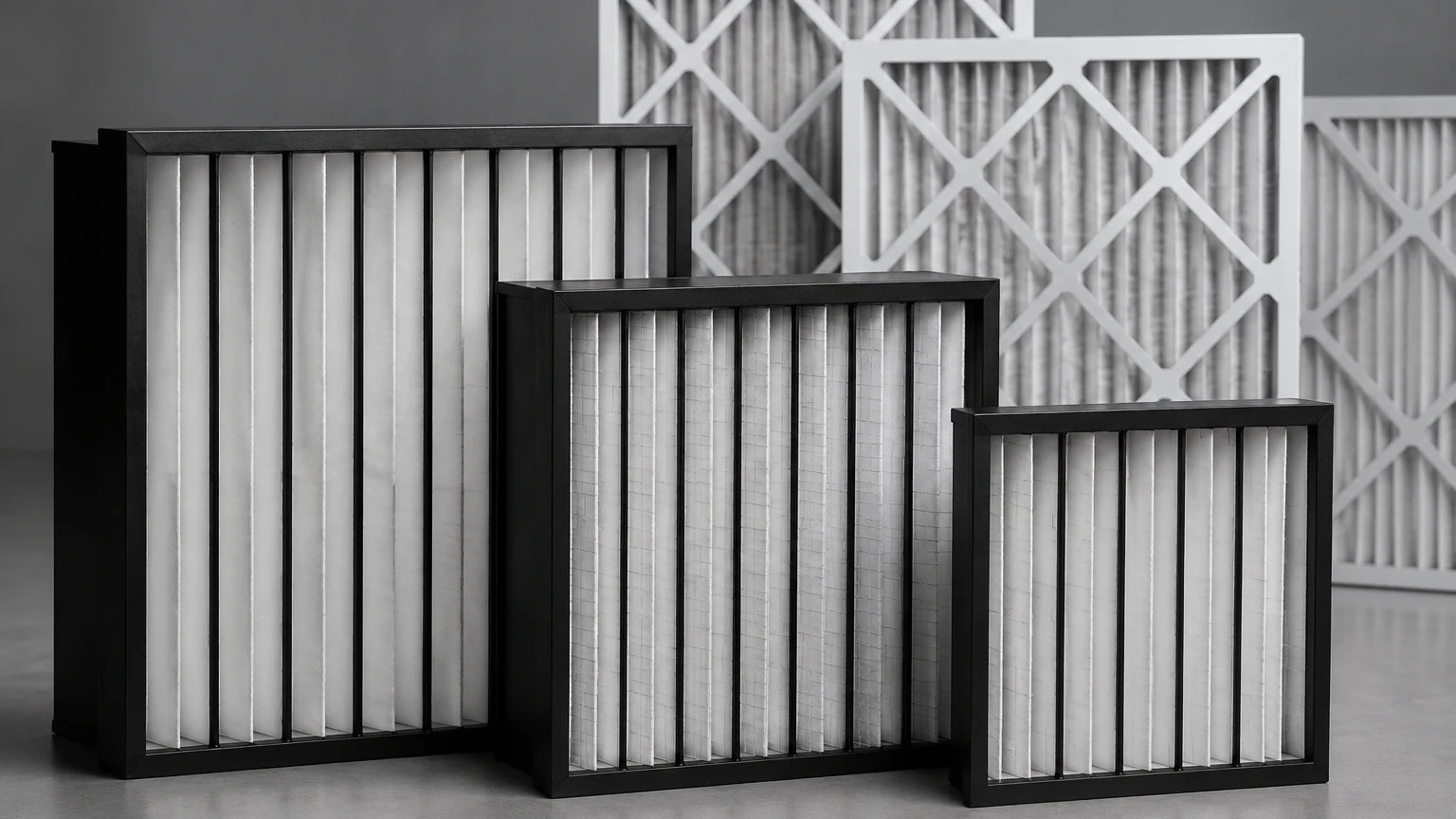
In the landscape of commercial HVAC and industrial process air management, the selection of a usa commercial pleated air filters manufacturer is a critical decision that impacts air quality, energy efficiency, and equipment longevity. Pleated air filters are designed to provide a significantly larger surface area compared to flat-panel filters, allowing for higher dust-holding capacity and lower resistance to airflow. For engineers and facility managers, understanding the technical nuances of pleated media—ranging from standard synthetic fibers to high-performance stainless steel mesh—is essential for optimizing system performance.
Industrial and commercial environments often present challenges that standard residential filters cannot withstand. High temperatures, moisture, chemical vapors, and high-velocity air streams require filtration solutions engineered for durability. This guide examines the engineering considerations, selection criteria, and performance expectations relevant to commercial pleated air filtration.
Technical Requirements for Commercial Air Filtration Systems
Commercial air filtration is governed by specific performance metrics that determine how effectively a filter can remove particulates while maintaining system efficiency. When evaluating a usa commercial pleated air filters manufacturer, technical professionals must prioritize three primary factors: efficiency, pressure drop, and structural integrity.
Efficiency and MERV Ratings
Efficiency is typically measured using the Minimum Efficiency Reporting Value (MERV) scale, ranging from 1 to 16 for standard commercial applications. A higher MERV rating indicates the filter's ability to capture smaller particles. However, in specialized industrial settings, efficiency may also be measured by the micron rating, especially when dealing with metal pleated filters used in process air or gas filtration. The goal is to balance the required air cleanliness with the system's ability to move air through the media.
Pressure Drop (Resistance)
Pressure drop, or Delta P, refers to the resistance the filter provides to the airflow. A high initial pressure drop forces fans to work harder, increasing energy consumption and operating costs. Pleated designs are specifically engineered to mitigate this. By increasing the total square footage of the media within the same frame size, the "face velocity" (the speed at which air passes through the media) is reduced, which in turn lowers the pressure drop.
Structural Integrity under Load
In commercial systems, filters are subjected to significant air pressure. A manufacturer must ensure that the pleats remain uniform and do not collapse or "blind" under heavy dust loads. This often requires the use of expanded metal backing or specialized pleat stabilization techniques to maintain the geometric spacing of the media.
The Role of Pleated Media in Industrial and Commercial Environments
The primary advantage of the pleated configuration is the extension of the filtration surface area. This extension provides several operational benefits:
1. Extended Service Life: More surface area means the filter can capture more contaminants before reaching its terminal pressure drop, reducing the frequency of filter changes.
2. Lower Energy Costs: By maintaining a lower pressure drop for a longer period, pleated filters contribute to the overall energy efficiency of the building’s air handling units (AHUs).
3. Improved Air Quality: Pleated filters can utilize finer media without sacrificing airflow, enabling the capture of finer particulates such as pollen, mold spores, and fine industrial dust.
While many commercial applications utilize synthetic or fiberglass media, demanding industrial processes often require metal pleated filters. These are particularly prevalent in sectors like chemical processing, food and beverage, and pharmaceutical manufacturing, where filters must withstand high temperatures or be cleaned and reused. For those seeking specialized metal filtration components, visiting the Main Page of a dedicated manufacturer can provide insights into how these durable materials are integrated into pleated designs.
Criteria for Selecting a USA Commercial Pleated Air Filters Manufacturer
Choosing the right manufacturer involves more than comparing unit prices. For B2B procurement, the reliability of the supply chain and the engineering support provided are paramount. When vetting a usa commercial pleated air filters manufacturer, consider the following criteria:
Material Traceability and Quality Control
In industries such as pharmaceuticals or aerospace, material traceability is non-negotiable. A reputable manufacturer should provide certifications for the media used, whether it is a specific synthetic blend or a high-grade stainless steel wire mesh. ISO 9001 certification is a standard benchmark for quality management systems that ensures consistent production processes.
Engineering and Customization Capabilities
Standard off-the-shelf filters do not always meet the requirements of custom-built industrial machinery or unique HVAC configurations. A manufacturer with strong OEM capabilities can assist in designing filters with specific pleat counts, depths, and frame materials (such as galvanized steel, aluminum, or stainless steel) to fit exact specifications. Engineering support should include assistance with calculating the optimal surface area to meet specific airflow and filtration efficiency targets.
Testing and Validation
Reliable manufacturers perform rigorous testing according to industry standards, such as ASHRAE 52.2 for air filters. For metal pleated filters, bubble point testing or multipass testing may be used to verify filtration accuracy and pore size distribution. Ask for test reports to validate performance claims before committing to a large-scale purchase.
Stainless Steel Pleated Filters for Specialized Commercial Applications
While traditional pleated air filters are often disposable, certain commercial and industrial applications demand a more robust solution. Stainless steel pleated filters, often manufactured using 304 or 316L wire mesh, offer distinct advantages in harsh environments.
High-Temperature Resistance
Synthetic filters typically fail or off-gas at temperatures exceeding 200°F. In contrast, stainless steel pleated filters can operate in environments reaching up to 600°F or higher, making them ideal for oven exhaust, steam filtration, and high-temperature gas processing.
Chemical Compatibility
In chemical processing plants or laboratories, the air may contain corrosive vapors that would degrade standard filter media. Stainless steel is resistant to a wide range of acids, bases, and organic solvents, ensuring that the filter maintains its structural integrity and filtration performance over time.
Cleanability and Sustainability
A significant advantage of metal pleated media is that it is cleanable. Through ultrasonic cleaning, backwashing, or chemical cleaning, these filters can be restored to near-original pressure drop levels. This reduces the total cost of ownership by eliminating the need for frequent replacements and reduces the environmental impact associated with disposable filter waste.
Custom OEM Capabilities and Engineering Support
For many technical professionals, the value of a usa commercial pleated air filters manufacturer lies in their ability to provide OEM (Original Equipment Manufacturer) services. This is particularly relevant for manufacturers of industrial equipment who need to integrate filtration components into their products.
Customization options often include:
* Pleat Geometry: Adjusting the height and frequency of pleats to optimize the balance between filtration area and airflow resistance.
* Frame Design: Custom frames designed to slide into existing tracks or bolt directly onto machinery, utilizing materials that match the equipment's durability requirements.
* End Cap Configurations: For cylindrical pleated filters, end caps can be designed with various gaskets (EPDM, Viton, Silicone) to ensure a leak-proof seal in diverse environments.
By working closely with a manufacturer's engineering team, purchasers can ensure that the filtration solution is perfectly matched to the application's specific dust load, particle type, and environmental conditions.
Understanding Filtration Efficiency and Pressure Drop
To make an informed decision, it is necessary to understand the relationship between efficiency and pressure drop. As a filter captures more particles, the gaps between the fibers or mesh wires become smaller, which increases efficiency but also increases the resistance to airflow.
Engineers use the "Dust Holding Capacity" (DHC) metric to determine how much contaminant a filter can hold before the pressure drop reaches a predetermined limit (terminal pressure drop). A high-quality pleated filter will have a high DHC, meaning it provides a long service life before it needs to be cleaned or replaced. When discussing requirements with a usa commercial pleated air filters manufacturer, specify the target initial pressure drop and the maximum allowable pressure drop for your system to ensure the filter design is appropriate.
Sustainable Filtration: Cleanable vs. Disposable Pleated Filters
The choice between disposable and cleanable filters often comes down to the Total Cost of Ownership (TCO). While disposable pleated filters have a lower initial purchase price, the ongoing costs of replacement, labor for installation, and disposal fees can add up quickly in a large commercial facility.
Cleanable stainless steel pleated filters have a higher upfront cost but offer significant long-term savings. In applications where the air stream contains valuable materials (such as precious metal dust in manufacturing), cleanable filters allow for the recovery of those materials. Furthermore, the durability of metal filters prevents the risk of media migration—where fibers from a disposable filter break off and enter the clean air stream—which is a critical concern in pharmaceutical and electronics manufacturing.
Conclusion: Making the Right Selection
Selecting a usa commercial pleated air filters manufacturer requires a comprehensive evaluation of technical specifications, material quality, and the manufacturer's ability to support specific application needs. Whether the requirement is for standard HVAC maintenance or a highly specialized industrial process involving high temperatures or corrosive elements, the filter's design and media quality are the primary drivers of system performance.
For technical teams looking to optimize their filtration processes, focusing on manufacturers that offer robust engineering support and high-quality materials is essential. By prioritizing factors like pressure drop, material compatibility, and customization, organizations can achieve efficient, durable, and cost-effective filtration performance. To explore a wide range of industrial-grade filtration solutions and technical specifications, reviewing the product options on the Main Page is a recommended next step for any procurement or engineering project.
Download Usa Commercial Pleated Air Filters Manufacturer as a PDF
