Vacuum Dehydration
In the realm of industrial fluid management, water is often the most destructive contaminant after solid particulates. Whether in hydraulic systems, lubricating oils, or chemical processing streams, moisture leads to oxidation, additive depletion, and accelerated component wear. Vacuum dehydration stands as the most effective method for removing all three forms of water—free, emulsified, and dissolved—without compromising the chemical integrity of the host fluid. For engineers and maintenance professionals, understanding the technical nuances of this process is essential for optimizing equipment uptime and extending the service life of expensive industrial fluids.
The Fundamental Principles of Vacuum Dehydration
Vacuum dehydration operates on the physical principle that the boiling point of a liquid is dependent on the ambient pressure. In a standard atmospheric environment, water boils at 212°F (100°C). However, heating industrial oils to this temperature is often detrimental, as it triggers thermal degradation and rapid oxidation of the oil's base stock and additive package.
By creating a vacuum within a controlled chamber, the boiling point of water is significantly reduced. For example, at a vacuum level of 25 to 27 inches of mercury (Hg), water will vaporize at temperatures as low as 120°F to 130°F (49°C to 54°C). This temperature range is well within the safe operating limits for most hydraulic and lubricating oils. As the fluid is introduced into the vacuum chamber—often dispersed over a large surface area using specialized media—the water transitions into a vapor phase and is subsequently drawn out by the vacuum pump.
This process is governed by Henry’s Law, which states that the amount of dissolved gas in a liquid is proportional to its partial pressure above the liquid. By lowering the pressure, the equilibrium is shifted, forcing dissolved water out of the solution. Unlike centrifugal or coalescing methods, which primarily target free and emulsified water, vacuum dehydration is the only practical technology capable of reducing water content below the fluid's saturation point, often reaching levels as low as 50 ppm (parts per million).
The Role of Precision Filtration in Dehydration Systems
While the vacuum chamber is the heart of the dehydration unit, the efficiency of the entire system relies heavily on integrated filtration components. In a typical dehydration circuit, fluid must be treated for solid contaminants both before and after the vacuum stage.
Pre-Filtration for Component Protection
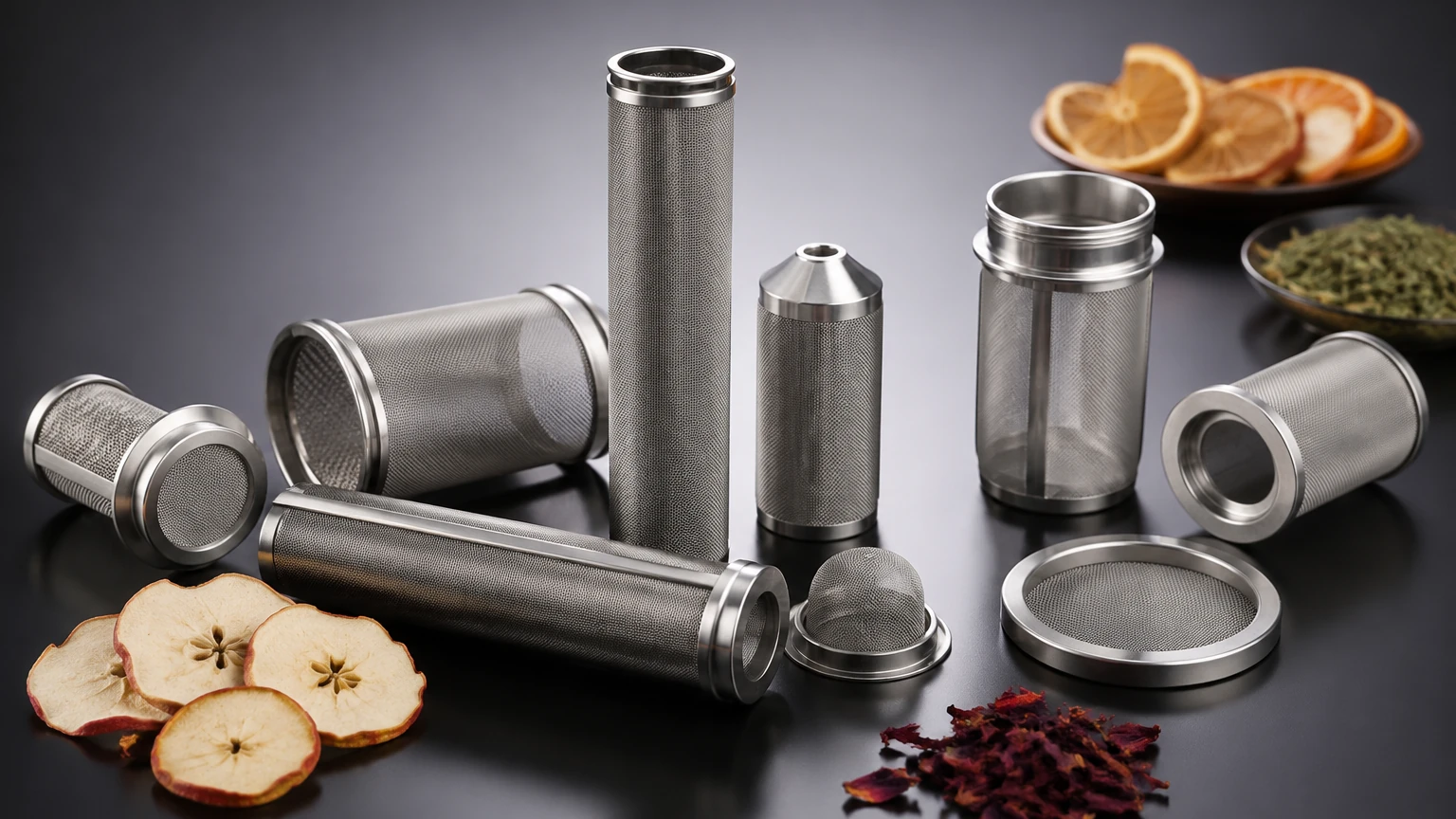
Before the fluid enters the vacuum chamber, it must pass through a high-efficiency filter. This stage is critical for protecting the internal spray nozzles or dispersal media from clogging. If solid particulates enter the vacuum chamber, they can create nucleation sites that lead to excessive foaming, which reduces the effective surface area for evaporation. Engineers often specify stainless steel wire mesh filters for this stage due to their high dirt-holding capacity and ability to withstand the pressure differentials typical of high-viscosity oil circuits.
Post-Filtration and Fluid Polishing
After the water has been removed, the fluid is pumped back into the main reservoir. A final polishing filter is usually employed to ensure the fluid meets the required ISO 4406 cleanliness codes. Because the dehydration process can sometimes liberate fine silt or metallic wear particles previously trapped in water emulsions, this final filtration stage is vital. Utilizing custom stainless steel filter cartridges ensures that the filtration media does not react with the fluid or the trace chemicals often found in industrial applications. For those seeking high-performance components for these systems, it is advisable to Review product options and application support on the Kaifil Main Page to ensure material compatibility and filtration accuracy.
Engineering Evaluation Criteria for Dehydration Equipment
When selecting or designing a vacuum dehydration system, several engineering parameters must be evaluated to ensure the system meets the specific demands of the application. A "one size fits all" approach often leads to inefficient water removal or premature equipment failure.
1. Flow Rate and Pass Frequency: The flow rate of the dehydrator must be balanced against the total volume of the reservoir. For systems with high water ingression rates, a higher flow rate is necessary to maintain moisture levels below the saturation point. However, the fluid must remain in the vacuum chamber long enough for effective vaporization to occur.
2. Water Removal Rate: This is typically measured in gallons or liters per hour. It is influenced by the vacuum level, the temperature of the fluid, and the surface area of the dispersal media. Engineers should confirm the expected water ingression rate of their system (e.g., from leaking coolers or atmospheric venting) and select a unit with a removal rate that exceeds this value by at least 25%.
3. Vacuum Pump Capacity: The vacuum pump must be capable of handling the volume of water vapor generated. In high-moisture applications, the pump may require a condenser to prevent water from contaminating the pump oil, which would otherwise reduce the vacuum efficiency.
4. Fluid Viscosity Handling: High-viscosity oils (such as ISO VG 460 or 680 gear oils) present challenges for vacuum dehydration. These fluids require more heat to lower their viscosity enough for effective dispersal in the vacuum chamber. The system must be equipped with low-watt-density heaters to prevent localized scorching of the oil.
Common Risks and Failure Modes in Dehydration Processes
Despite its effectiveness, vacuum dehydration is not without risks. Improperly configured systems can cause more harm than good. One of the primary risks is oil foaming. If the vacuum is applied too rapidly or if the fluid contains high levels of detergents or surfactants, the oil may foam excessively, carrying liquid oil into the vacuum pump. This not only damages the pump but also results in significant fluid loss.
Another critical risk is oxidative stress. While vacuum dehydration uses lower temperatures than atmospheric boiling, the fluid is still exposed to heat. If the heaters have a high watt density, they can "crack" the oil molecules, leading to the formation of varnish and sludge. Engineers should look for systems that utilize large-area heating elements to maintain a low temperature differential between the element surface and the fluid.
Furthermore, the choice of seals and gaskets within the filtration and vacuum housing is paramount. In chemical processing or synthetic lubricant applications, standard Nitrile (Buna-N) seals may degrade. Specifying Viton (FKM) or EPDM seals, and ensuring that the filter housings are constructed from 304 or 316L stainless steel, prevents leaks and maintains the integrity of the vacuum.
Customization Options for Demanding Industrial Environments
Industrial applications often involve variables that standard off-the-shelf dehydration units cannot handle. Customization is frequently required in the following areas:
* Material Compatibility: In the pharmaceutical or food and beverage industries, all fluid-contact surfaces must be non-reactive. Stainless steel is the industry standard here, and filtration components must be manufactured to precise tolerances to ensure no bypass occurs. Custom-engineered wire mesh filters allow for specific micron ratings that balance flow resistance with particulate capture.
* Explosion-Proof Ratings: For applications in the oil and gas or chemical sectors, dehydration units must often meet ATEX or Class 1 Div 2 certifications. This affects the design of the electrical controls, heaters, and vacuum pump motors.
* Mobile vs. Stationary Units: While many plants prefer stationary units for continuous bypass filtration on large reservoirs, mobile units provide the flexibility to treat multiple smaller systems on a rotational basis. Custom trailers or skid mounts with integrated particle counters allow for real-time monitoring of the dehydration progress.
Total Cost of Ownership and Maintenance Considerations
When justifying the investment in vacuum dehydration technology, engineers must look beyond the initial purchase price and consider the Total Cost of Ownership (TCO). The primary cost drivers include energy consumption (heaters and pumps), replacement filter elements, and vacuum pump maintenance.
However, these costs are usually dwarfed by the savings achieved through extended oil life and reduced component replacement. For instance, reducing the water content in a hydraulic system from 500 ppm to 50 ppm can more than double the expected life of the pump bearings.
To maintain system performance, a rigorous maintenance schedule is required:
* Filter Element Replacement: Pressure gauges should be monitored to replace pre-filters and post-filters before they reach the bypass pressure. Using high-quality, cleanable stainless steel mesh filters can reduce long-term consumable costs.
* Vacuum Pump Oil Changes: If the system does not have an efficient condenser, water vapor will eventually contaminate the vacuum pump oil, reducing its ability to pull a deep vacuum.
* Condenser Cleaning: In environments with high ambient temperatures, the condenser coils must be kept clean to ensure efficient phase change of the water vapor.
Conclusion: Ensuring Long-Term Fluid Health
Vacuum dehydration is a sophisticated but essential technology for modern industrial operations. By removing dissolved moisture that other technologies leave behind, it provides a level of protection that is critical for high-pressure hydraulic systems, large-scale lubrication circuits, and sensitive chemical processes.
Success in implementing this technology depends on the careful selection of system components, particularly the filtration media that protects the process. Engineers must confirm material compatibility, flow requirements, and filtration efficiency to achieve the desired fluid cleanliness. For specialized requirements in custom metal filtration, visiting the Main Page of an experienced manufacturer like Kaifil provides the technical foundation needed to design a robust and reliable dehydration solution. By prioritizing precision and engineering integrity, facilities can significantly reduce the risks associated with water contamination and ensure the long-term reliability of their critical assets.