


Wastewater Bar Screen Manufacturers
In the field of industrial and municipal water treatment, the primary screening stage is critical for protecting downstream equipment and ensuring the efficiency of the entire purification process. Wastewater bar screens serve as the first line of defense, removing large debris, rags, and solids that could otherwise damage pumps, clog pipes, or interfere with biological treatment stages. For engineers and procurement professionals, selecting from the various wastewater bar screen manufacturers requires a deep understanding of hydraulic dynamics, material science, and mechanical engineering to ensure long-term operational reliability.
Selecting a manufacturer is not merely a matter of comparing price points; it is an evaluation of engineering precision and the ability to provide customized solutions that meet specific flow requirements and environmental conditions. This guide explores the technical considerations, evaluation criteria, and performance expectations necessary when vetting manufacturers for industrial filtration components.
The Role of Bar Screens in Industrial Filtration
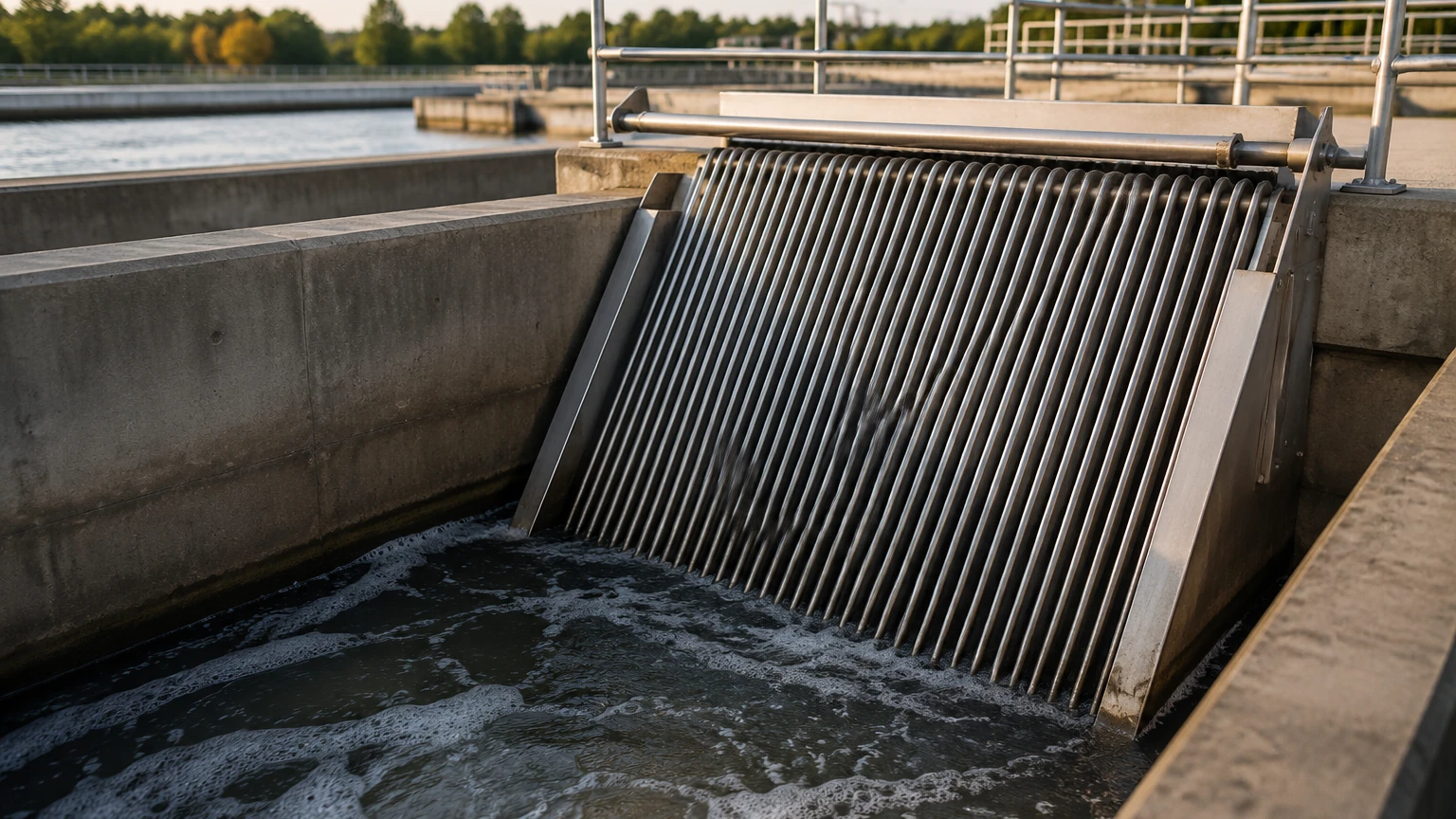
Bar screens are mechanical filters used to remove large objects from influent water. In industrial settings—such as chemical processing, food and beverage production, and pharmaceutical manufacturing—the composition of wastewater can vary significantly. This variability necessitates highly durable filtration media that can withstand corrosive chemicals, high temperatures, and abrasive solids.
While many wastewater bar screen manufacturers offer standardized designs, the most effective solutions are often those tailored to the specific application. For instance, a facility processing high-acidity wastewater will require higher grades of stainless steel, such as 316L, compared to a standard municipal plant. Manufacturers with extensive experience in stainless steel fabrication, such as those specializing in precision metal filter components, are often better equipped to handle these demanding specifications.
Technical Specifications and Engineering Considerations
When consulting with wastewater bar screen manufacturers, engineers must provide detailed specifications to ensure the equipment can handle the projected hydraulic load. Key technical parameters include:
1. Bar Spacing and Filtration Accuracy
Bar screens are generally categorized into coarse and fine screens. Coarse screens typically have openings ranging from 6mm to 150mm, while fine screens range from 0.5mm to 6mm. The choice depends on the size of the particles that must be removed to protect downstream processes. For precision applications, manufacturers may incorporate specialized wire mesh or wedge wire components to achieve tighter tolerances.
2. Angle of Inclination
The angle at which the screen is installed—usually between 60 and 90 degrees—affects both the screening efficiency and the footprint of the installation. A steeper angle requires less floor space but may increase the velocity of the water through the bars, potentially leading to "stapling" or forcing debris through the screen.
3. Material Selection and Corrosion Resistance
Given the constant exposure to moisture and potentially aggressive chemical agents, material selection is paramount. Stainless steel (SS304 or SS316) is the industry standard due to its excellent strength-to-weight ratio and resistance to oxidation. Manufacturers should provide certifications for the alloys used to ensure they meet international standards for durability.
4. Hydraulic Head Loss
Every screening element introduces a degree of resistance to the flow. Engineers must confirm the calculated head loss under peak flow conditions. Excessive head loss can lead to upstream flooding or reduced throughput. Reputable manufacturers use hydraulic modeling to predict performance and ensure the screen design does not become a bottleneck in the system.
Evaluating Wastewater Bar Screen Manufacturers
To identify a reliable partner, technical teams should look beyond basic product catalogs and evaluate the manufacturer’s internal capabilities. A high-quality manufacturer should demonstrate expertise in the following areas:
Customization and OEM Capabilities
Industrial environments rarely accommodate "one-size-fits-all" equipment. Whether the requirement involves a specific frame dimension to fit an existing channel or a unique bar profile to minimize clogging, the manufacturer must offer robust customization options. This includes the ability to produce custom stainless steel filtration solutions that integrate seamlessly with existing infrastructure. For those seeking comprehensive filtration components, visiting the Main Page of a specialist manufacturer can provide insight into the breadth of available custom designs.
Manufacturing Precision
The effectiveness of a bar screen relies on the consistency of the bar gaps. Inconsistent spacing can allow oversized debris to pass through, leading to catastrophic failure of downstream pumps. Manufacturers utilizing advanced CNC machining, precision welding, and automated assembly processes can guarantee the tight tolerances required for industrial-grade filtration.
Quality Control and Testing
Inquire about the manufacturer’s testing protocols. Do they perform load testing? How do they verify the integrity of welds? For critical applications in the pharmaceutical or food sectors, the finish of the stainless steel (such as electropolishing) may also be a requirement to prevent bacterial growth and facilitate easier cleaning.
Common Risks and Mitigation Strategies
Partnering with the wrong wastewater bar screen manufacturers can lead to several operational risks. Understanding these risks early in the procurement process allows for better contract negotiation and technical vetting.
* Mechanical Failure: Screens are subject to significant physical stress, especially during storm events or high-solids loading. Poorly engineered drive mechanisms or weak bar-to-frame connections can lead to mechanical breakdown. Ensure the manufacturer uses heavy-duty components designed for continuous operation.
* Bypassing: If the screen is not seated correctly in the channel or if the seals are inadequate, wastewater may bypass the filtration media entirely. Manufacturers should provide detailed installation guides and, if possible, site-specific engineering support.
* High Maintenance Requirements: Some designs are prone to "blinding" (clogging), requiring frequent manual intervention or high-pressure washing. Modern designs, such as those utilizing continuous rake mechanisms or self-cleaning bar profiles, significantly reduce the total cost of ownership by lowering labor requirements.
Total Cost of Ownership (TCO) vs. Initial CAPEX
While the initial purchase price is a significant factor, the Total Cost of Ownership (TCO) is a more accurate metric for evaluating wastewater bar screen manufacturers. A lower-cost screen made from inferior materials or with a less efficient cleaning mechanism will likely incur higher costs over its lifespan due to:
1. Energy Consumption: Inefficient drive motors or high head loss (requiring more pumping power) increase utility costs.
2. Replacement Cycles: High-quality stainless steel components can last decades, whereas cheaper alternatives may suffer from stress corrosion cracking or mechanical wear within a few years.
3. Downstream Repairs: The primary goal of a bar screen is to protect expensive equipment. If the screen fails to capture debris, the cost of repairing a damaged centrifugal pump far outweighs the savings from a cheaper screen.
The Importance of Technical Support and Documentation
For engineers, the relationship with a manufacturer does not end at delivery. Comprehensive documentation, including CAD drawings, material data sheets, and maintenance manuals, is essential for successful integration. Furthermore, the availability of replacement parts—such as customized wire mesh inserts or mechanical links—is a critical factor in ensuring long-term uptime.
When vetting wastewater bar screen manufacturers, ask about their lead times for spare parts and their ability to provide technical consultations for troubleshooting. A manufacturer that understands the engineering behind the filtration process is more likely to provide a solution that performs as expected under real-world conditions.
Conclusion
The selection of wastewater bar screen manufacturers is a pivotal decision in the design and operation of industrial water treatment systems. By focusing on material integrity, hydraulic performance, and the capacity for customization, engineers can ensure they implement a solution that provides reliable protection for their facility’s infrastructure.
As industrial processes become more complex and environmental regulations more stringent, the demand for high-performance, durable filtration components continues to grow. Choosing a partner with a proven track record in stainless steel fabrication and industrial filtration—one that can provide both standard and bespoke solutions—is the most effective way to optimize treatment performance and minimize operational risk. For those looking to explore advanced filtration technology and custom manufacturing options, reviewing the technical resources available on the manufacturer's Main Page is a recommended first step in the procurement process.
