


Water Skid
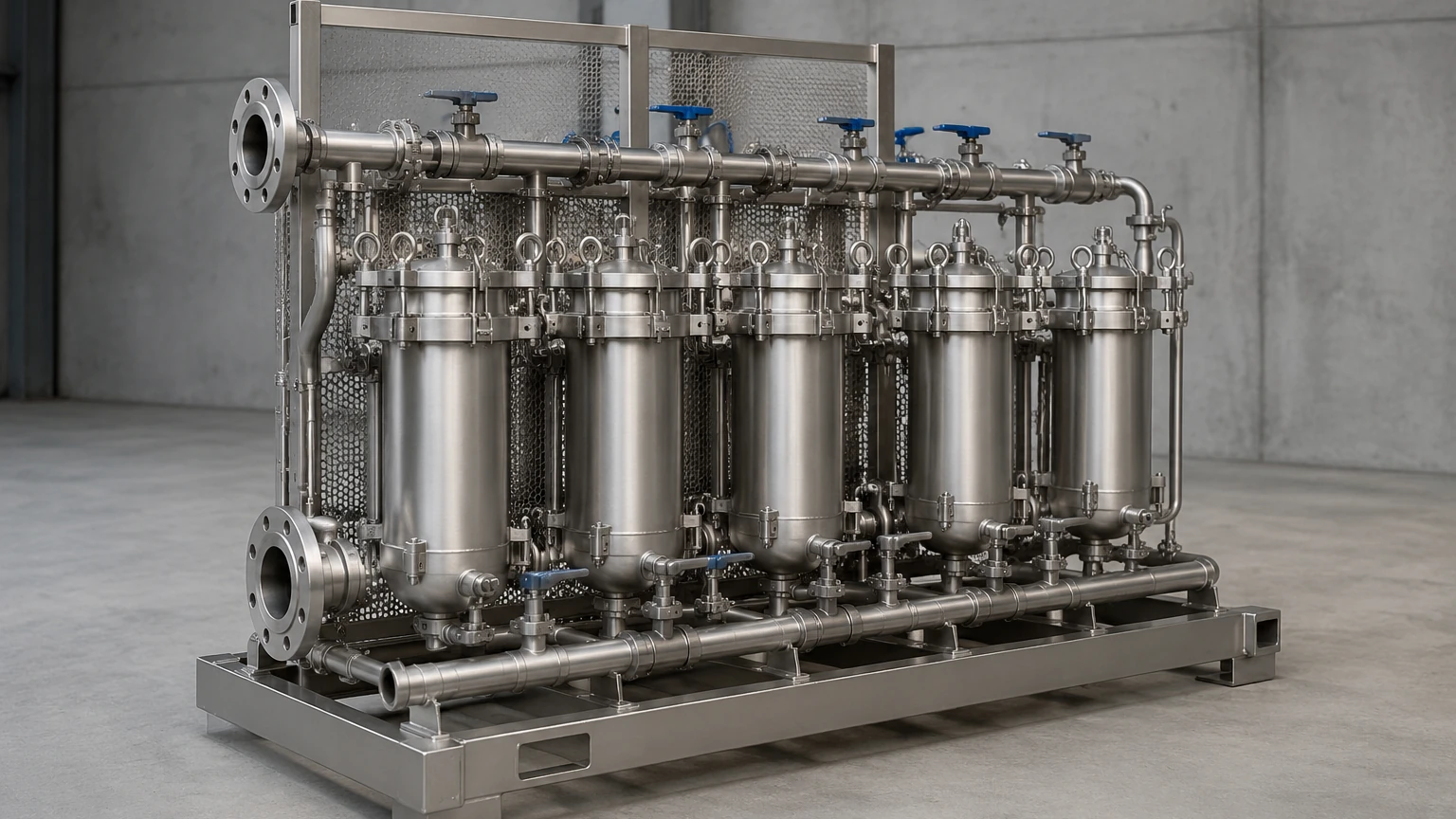
In modern industrial processing, the demand for efficient, space-saving, and reliable fluid management has led to the widespread adoption of the water skid. A water skid is a modular, frame-mounted system designed to house various water treatment and filtration components, including pumps, valves, control systems, and, most critically, high-performance filtration housings and elements. By consolidating these components onto a single structural base, engineers can ensure a "plug-and-play" solution that simplifies installation, reduces on-site labor, and optimizes the footprint of industrial facilities.
For engineers and procurement professionals, selecting or designing a water skid requires a deep understanding of the fluid dynamics, chemical compatibility, and filtration requirements specific to the application. Whether used in chemical processing, pharmaceutical manufacturing, or large-scale food and beverage production, the integrity of the filtration components within the skid determines the overall system efficiency and the longevity of downstream equipment.
The Architecture of an Industrial Water Skid
The primary advantage of a water skid is its integrated design. Traditionally, water treatment systems were built on-site, requiring extensive piping, electrical work, and component mounting. A skid-mounted system, however, is engineered and assembled in a controlled factory environment. This allows for rigorous testing of pressure ratings, flow rates, and filtration efficiency before the unit ever reaches the facility.
Structural Frame and Material Selection
The frame of the water skid must be robust enough to support the weight of heavy housings, pumps, and fluid-filled pipes while resisting the vibrations generated during operation. In most industrial environments, stainless steel is the preferred material for both the frame and the fluid-contact components. Grades such as SS304 or SS316L are standard because they offer superior corrosion resistance, particularly in applications involving treated water, chemicals, or high-temperature fluids.
Integrated Filtration Systems
At the heart of many water skids is the filtration stage. This often involves a multi-stage approach, starting with coarse strainers to remove large debris and progressing to fine stainless steel filter cartridges or wire mesh filters for precision particle removal. The choice of filter media is critical. Stainless steel wire mesh filters are frequently selected for their durability and ability to be cleaned and reused, which significantly reduces the total cost of ownership compared to disposable plastic or fiber-based filters.
Engineering Considerations for Filtration Efficiency
When designing a water skid, engineers must balance several technical variables to ensure the system meets the required output quality without excessive energy consumption or maintenance downtime. To explore specific component options for these systems, professionals often consult the Main Page of specialized manufacturers to evaluate material specifications and filtration ratings.
Micron Ratings and Particle Retention
The micron rating of the filter elements within the skid defines the smallest particle size the system can reliably capture. In industrial water skids, filtration requirements can range from 100 microns for pre-filtration down to 1 micron or less for high-purity applications. It is essential to match the micron rating to the specific contaminants present in the source water. Over-specifying (choosing a rating that is too fine) can lead to rapid pressure buildup and frequent cleaning cycles, while under-specifying can allow harmful particles to pass through, potentially damaging sensitive downstream components like high-pressure pumps or membranes.
Flow Rate and Pressure Drop (Delta P)
Every component in a water skid introduces a degree of resistance to the fluid flow, known as pressure drop. The filter media is often the most significant source of this resistance. Engineers must calculate the "clean pressure drop" and establish a "terminal pressure drop" at which the filters must be cleaned or replaced. Using high-permeability stainless steel wire mesh can help maintain high flow rates with minimal pressure loss, ensuring the skid operates within the efficiency parameters of the onboard pumps.
Material Integrity and Chemical Compatibility
In sectors like chemical processing or pharmaceutical manufacturing, the water skid may handle fluids that are corrosive or subject to extreme temperatures. This makes material selection a non-negotiable aspect of the engineering process.
Stainless Steel vs. Polymers
While polymer-based housings and filters are common in light commercial applications, industrial water skids almost exclusively utilize stainless steel. Stainless steel filter cartridges and housings can withstand high-pressure spikes and thermal shocks that would cause polymers to crack or deform. Furthermore, stainless steel does not leach chemicals into the process stream, which is vital for maintaining the purity of the water in food, beverage, and medical applications.
Corrosion Resistance in Aggressive Environments
For skids handling saline water or aggressive chemical solutions, SS316L is often the preferred choice due to its molybdenum content, which provides enhanced resistance to pitting and crevice corrosion. Ensuring that all welds, fittings, and filter elements within the water skid meet these material standards prevents premature system failure and contamination of the process fluid.
Common Applications for Skid-Mounted Filtration
The versatility of the water skid makes it a staple across various industrial sectors. Each application demands a specific configuration of filtration media and system controls.
* Chemical Processing: In this sector, water skids are used to filter process water, ensuring that impurities do not interfere with chemical reactions. The filters must be resistant to a wide range of pH levels and temperatures.
* Food and Beverage: Filtration skids here are used for ingredient water, bottle washing, and utility water. The components must adhere to strict sanitary standards, often requiring electropolished stainless steel surfaces to prevent bacterial growth.
* Hydraulic and Cooling Systems: Water skids are frequently employed to maintain the quality of cooling water in large-scale industrial machinery. By removing particulate matter, the skid prevents the scaling and clogging of heat exchangers, thereby extending the life of the equipment.
* Pharmaceutical Production: High-purity water is a requirement in pharmaceutical manufacturing. Skids in this industry often incorporate multi-stage stainless steel filtration to ensure the removal of pyrogens and fine particulates before the water enters the deionization or distillation stages.
Evaluation Criteria for Procurement and Engineering Teams
When evaluating a water skid for purchase or custom fabrication, technical teams should look beyond the initial price tag and focus on performance metrics and long-term reliability.
Customization and OEM Capabilities
Rarely is a "one-size-fits-all" water skid sufficient for complex industrial needs. The ability to customize the filtration elements—such as the wire mesh weave, the cartridge length, and the connection types (NPT, Flanged, or Saniclamp)—is essential. Working with a manufacturer that offers OEM services allows for the integration of precision-engineered metal filter components that are tailored to the specific flow and pressure requirements of the project.
Maintenance and Cleanability
A significant portion of the total cost of ownership for a water skid is related to maintenance. Systems that utilize cleanable stainless steel filters offer a distinct advantage. These elements can often be backwashed (reversing the flow to dislodge particles) or cleaned ultrasonically. This reduces the need for frequent filter changes and minimizes the waste associated with disposable cartridges. Procurement teams should confirm the expected replacement cycles and the ease of access to the filter housings within the skid frame.
Quality Assurance and Traceability
For critical applications, material traceability is paramount. Engineers should ensure that the stainless steel used in the filtration components is accompanied by material test reports (MTRs). This guarantees that the alloy composition meets the required standards and will perform as expected under industrial stresses.
Optimizing the Lifecycle of a Water Skid
To ensure a water skid remains operational for its intended lifespan, typically 10 to 20 years for the structural and stainless components, a proactive maintenance strategy must be implemented. This includes regular monitoring of pressure gauges across the filtration stages. A sudden drop in pressure might indicate a breach in the filter media, while a rapid increase suggests heavy loading or a change in the source water quality.
By selecting high-quality stainless steel filtration solutions, such as those found on the Main Page of experienced manufacturers, operators can ensure that the core of their water skid is built to handle the rigors of industrial use. The durability of metal filtration components not only protects downstream equipment but also ensures consistent output quality, which is the primary goal of any water treatment installation.
In conclusion, the industrial water skid represents a sophisticated intersection of mechanical engineering and fluid science. By focusing on robust material selection, precise filtration specifications, and modular design, facilities can achieve reliable and efficient water management. Whether the goal is to protect a high-pressure pump or to ensure the purity of a pharmaceutical product, the quality of the filtration components within the skid remains the most critical factor in the system's success.
