


What Is Unfiltered Beer
In the industrial brewing sector, the distinction between filtered and unfiltered products is more than a matter of aesthetic clarity; it is a fundamental engineering decision that impacts flavor profile, shelf stability, and production efficiency. For process engineers and brewery managers, understanding what is unfiltered beer requires a technical deep dive into the suspension of solids, the biological behavior of yeast, and the specific filtration hardware required to achieve a consistent, high-quality result.
While consumer marketing often focuses on the "natural" or "raw" appeal of cloudy beverages, the professional perspective focuses on controlled turbidity. This guide explores the technical parameters of unfiltered beer, the engineering challenges of managing suspended solids, and the role of precision stainless steel filtration components in modern beverage production.
The Technical Definition: What Is Unfiltered Beer?
At its core, unfiltered beer is a fermented malt beverage that has not undergone the final stages of fine filtration or pasteurization intended to remove all suspended yeast and organic particles. In a standard industrial brewing process, beer is typically passed through a series of filters—often using diatomaceous earth (DE), plate-and-frame filters, or membrane cartridges—to achieve "brilliant" clarity.
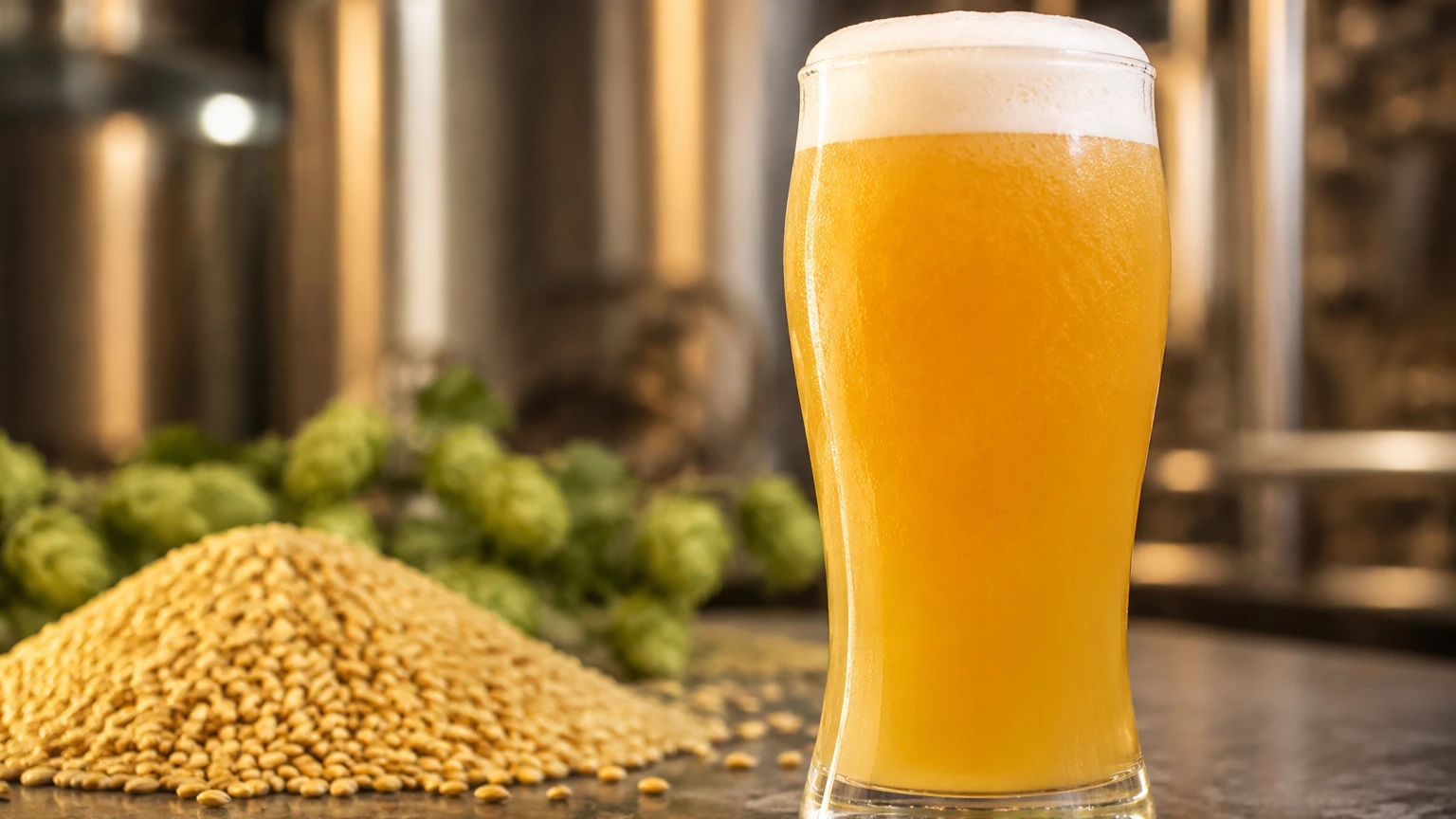
When a brewer asks "what is unfiltered beer" in a production context, they are referring to a product where a specific concentration of yeast (Saccharomyces cerevisiae) and protein-polyphenol complexes are intentionally left in the liquid. These solids contribute to the beer’s sensory characteristics, including a creamier mouthfeel and a more complex aromatic profile. However, from a mechanical standpoint, this means the fluid remains a heterogeneous mixture with a higher particulate load, which necessitates specific handling during the packaging and storage phases.
The Composition of Suspended Solids
The turbidity in unfiltered beer is primarily composed of three elements:
1. Yeast Cells: Residual yeast remains in suspension, providing Vitamin B and contributing to secondary fermentation or "bottle conditioning."
2. Proteins: Derived from the malted barley or wheat, these proteins add body and contribute to head retention.
3. Polyphenols: Tannins from hops and grain husks that, when bonded with proteins, create the characteristic "chill haze."
The Engineering Balance: Clarity vs. Character
For industrial producers, the decision to leave a beer unfiltered is not an absence of process, but a different type of process control. Achieving a consistent level of haze across different batches requires precise management of the filtration curve. If the beer is too "raw," it may contain large aggregates that settle into an unappealing sludge; if it is too clear, it loses the stylistic identity of an unfiltered product.
This is where specialized filtration equipment becomes critical. Even in "unfiltered" production, brewers often use coarse filtration to remove large hop debris and heavy trub while allowing smaller yeast cells to pass through. Utilizing high-performance components, such as those found on the Main Page of industrial filtration specialists like Kaifil, allows brewers to select specific micron ratings that maintain the desired turbidity while protecting downstream equipment like centrifugal pumps and filling valves.
Common Types of Unfiltered Beer and Their Requirements
Different styles of unfiltered beer demand different engineering approaches to filtration and stabilization.
Hefeweizen and Wheat Beers
Traditional German wheat beers are perhaps the most famous examples of unfiltered beer. The "Hefe" prefix literally translates to yeast. These beers require a high concentration of suspended yeast and wheat proteins. In these production lines, coarse stainless steel wire mesh filters are often used to remove large particles without stripping the yeast that defines the style.
Hazy IPAs (New England IPAs)
Modern Hazy IPAs rely on a complex interaction between hop oils and grain proteins. Unlike traditional beers where haze is seen as a defect, here it is a primary quality indicator. Production involves heavy dry-hopping, which introduces significant vegetal matter. Engineers must use precision metal filter cartridges to strain out the hop pellets while ensuring the delicate protein-polyphenol bond remains intact.
Cask Ales and Bottle-Conditioned Beers
These products undergo a secondary fermentation inside the final container. This requires a very specific count of viable yeast cells. If the initial filtration is too tight, the beer will not carbonate; if it is too loose, the sediment layer will be excessive. Precision in the filtration stage is the only way to ensure batch-to-batch consistency.
Filtration Engineering for Unfiltered Products
Even when producing an unfiltered product, the brewery must utilize filtration technology to ensure the beverage is safe and commercially viable. The goal is often "polishing" rather than "sterilizing."
Material Selection: 304 vs. 316L Stainless Steel
In the beverage industry, material integrity is non-negotiable. Stainless steel is the standard due to its corrosion resistance and ease of sterilization. For unfiltered beer, which may have a slightly higher acidity or be subject to intensive Clean-in-Place (CIP) cycles, 316L stainless steel is often preferred for its superior resistance to pitting and chemical cleaners.
Pore Size and Micron Ratings
When selecting a filter for an unfiltered line, the micron rating is the most critical variable.
* Coarse Filtration (50–100 microns): Used to remove large hop particles and grain husks.
* Clarifying Filtration (10–20 microns): Removes most large yeast aggregates but allows individual cells to pass.
* Fine Filtration (0.45–1 micron): Generally avoided in unfiltered beer as it removes almost all yeast and many flavor compounds.
Engineers must calculate the "nominal" vs. "absolute" rating of the filter media to ensure that the desired particulates remain in the beer while harmful contaminants are removed.
Operational Challenges and Risks
Producing unfiltered beer introduces several operational risks that must be mitigated through robust engineering and equipment selection.
1. Biological Stability
Because unfiltered beer contains live yeast and nutrients, it is biologically "active." If the temperature is not strictly controlled, secondary fermentation can occur in the can or bottle, leading to over-pressurization and potential container failure. Filtration systems must be paired with rigorous cold-chain management.
2. Oxidation
Suspended solids can sometimes act as catalysts for oxidation. The filtration process itself must be closed-loop and oxygen-free. Using high-quality stainless steel filter housings that can be purged with CO2 or Nitrogen is essential to maintaining the shelf life of an unfiltered product.
3. Equipment Fouling
The higher particulate load in unfiltered beer can lead to faster fouling of heat exchangers and filling nozzles. Selecting filters with high surface areas, such as pleated stainless steel cartridges, can extend the time between cleaning cycles and improve overall equipment effectiveness (OEE).
Total Cost of Ownership (TCO) in Filtration
When evaluating filtration solutions for unfiltered beer, purchasing teams should look beyond the initial sticker price. The total cost of ownership includes:
* Consumable Costs: Traditional DE or paper filters require constant replacement. In contrast, permanent stainless steel wire mesh filters can be cleaned and reused for years.
* Product Loss: Efficient filtration systems minimize the amount of beer trapped in the filter "heel."
* Cleaning Requirements: Systems that are compatible with automated CIP processes reduce labor costs and chemical usage.
By investing in durable, precision-engineered metal filters, breweries can achieve a more sustainable and cost-effective production model for their unfiltered portfolios.
Why Custom Filtration Solutions Matter
No two breweries are identical. Factors such as the specific yeast strain used, the protein content of the local grain, and the desired turbidity level all influence the filtration requirements. Off-the-shelf solutions often fail to provide the nuance needed for a high-end unfiltered beer.
Custom-designed stainless steel filter cartridges allow engineers to specify the exact weave, pore size, and structural reinforcement needed for their specific flow rates and pressure requirements. This level of customization ensures that the "unfiltered" nature of the beer is a deliberate quality choice rather than an accidental byproduct of inefficient processing.
Conclusion: Making Informed Purchasing Decisions
Understanding what is unfiltered beer is the first step in designing a production line that can handle the unique demands of cloudy beverages. For B2B buyers and engineers, the focus must remain on the technical specifications of the filtration media. The goal is to find a partner who understands the delicate balance between removing unwanted debris and preserving the soul of the beer.
When selecting components, confirm the following with your supplier:
* Micron Accuracy: Does the filter provide the exact nominal rating required for your specific yeast count?
* Material Certification: Is the stainless steel food-grade and certified for beverage production?
* Durability: Can the filter withstand high-pressure CIP cycles without mesh migration or structural failure?
For those looking to upgrade their filtration capabilities or develop a new unfiltered product line, reviewing the technical options available at the Main Page of a dedicated manufacturer like Kaifil is a vital step. With the right engineering approach, the challenges of unfiltered beer can be transformed into a significant competitive advantage in the craft and industrial beverage markets.
