


Coated Expanded Metal
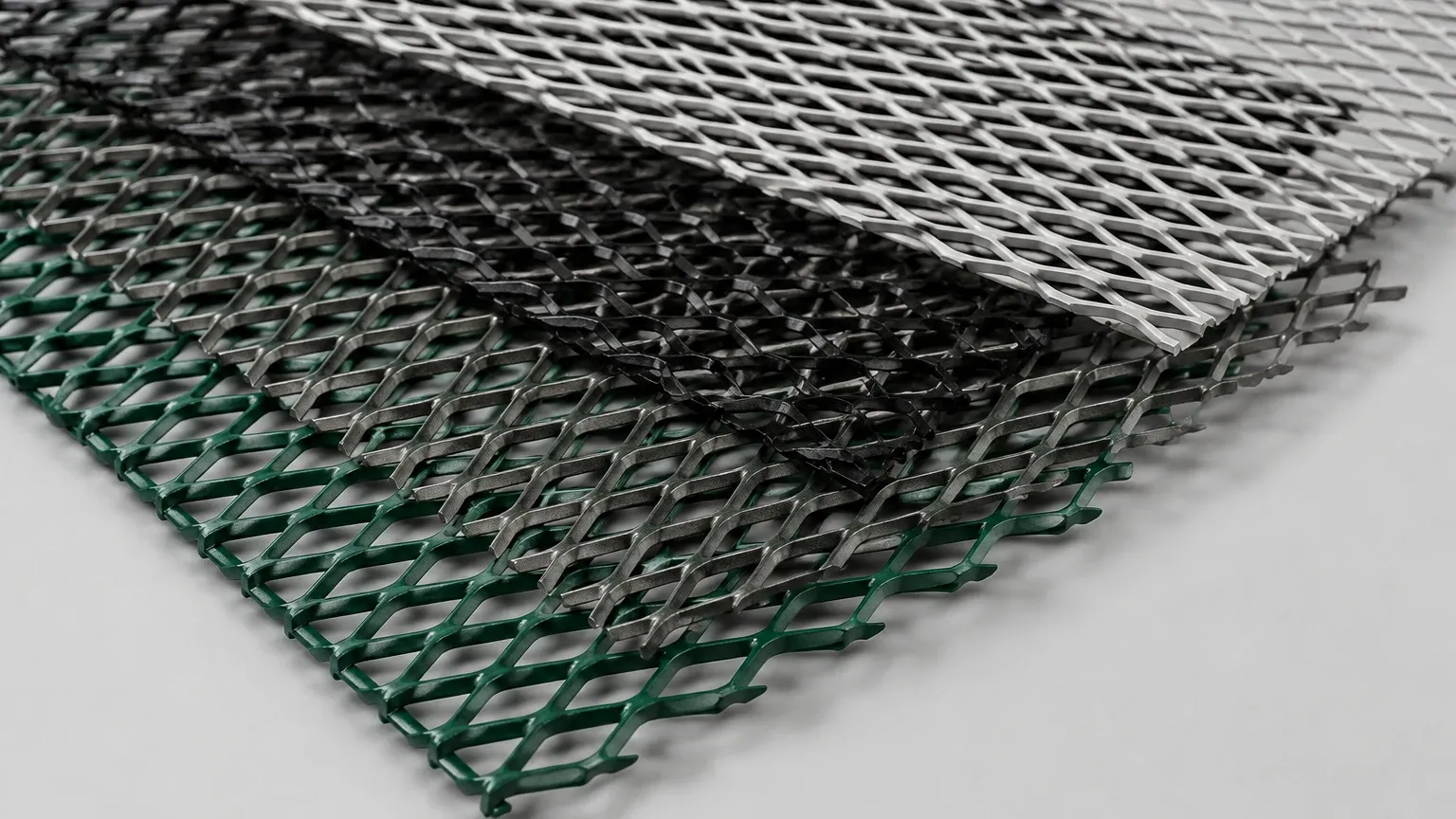
In industrial filtration and structural engineering, the selection of support materials is as critical as the selection of the primary filtration media. Coated expanded metal represents a specialized category of processed metal sheets designed to provide structural integrity, corrosion resistance, and specific surface characteristics required in demanding environments. Unlike standard perforated sheets, expanded metal is produced by simultaneously slitting and stretching the base material, creating a diamond-shaped mesh without any material waste. When a protective or functional coating is applied, the resulting component gains enhanced durability and chemical compatibility, making it a staple in chemical processing, water treatment, and food-grade applications.
For engineers and procurement professionals, understanding the technical nuances of coated expanded metal is essential for optimizing the lifecycle of filtration systems and industrial equipment. This guide examines the manufacturing processes, coating options, engineering considerations, and selection criteria necessary for high-performance industrial applications.
The Manufacturing and Coating Process
The production of expanded metal begins with a solid metal sheet, typically stainless steel, carbon steel, or aluminum. A specialized machine performs a series of precise slits while stretching the metal. This process creates the characteristic diamond pattern, where the "strands" are the metal strips and the "bonds" are the intersections where the strands meet.
Because the expansion process involves mechanical deformation, the edges of the strands can be relatively sharp, and the surface may have micro-fractures. This is where the coating process becomes vital. Applying a coating—whether through powder coating, thermoplastic dipping, or electroplating—seals these surfaces, smooths sharp edges, and provides a barrier against environmental stressors.
Types of Industrial Coatings
1. Powder Coating (Epoxy and Polyester): This is one of the most common finishes for expanded metal. Epoxy coatings offer excellent chemical resistance and hardness, making them suitable for submerged filtration supports. Polyester coatings are preferred for outdoor applications due to their superior UV resistance.
2. PVC and Plastisol Coating: These thermoplastic coatings provide a thick, resilient layer that offers excellent impact resistance and sound dampening. In filtration, PVC-coated expanded metal is often used as a protective outer cage for delicate pleated filter elements.
3. Galvanization (Hot-Dip and Electro-Galvanized): While technically a metallurgical bond rather than a traditional "coating," galvanizing provides a sacrificial zinc layer that protects carbon steel from oxidation. This is a cost-effective solution for large-scale water treatment infrastructure.
4. Fluoropolymer Coatings (PTFE/PFA): In high-temperature or highly corrosive chemical environments, fluoropolymer coatings provide a non-stick, chemically inert surface that prevents fouling and withstands aggressive solvents.
Engineering Considerations for Filtration Systems
When integrating Perforated & Expanded Metal into a filtration assembly, engineers must account for how the coating thickness alters the original mechanical specifications of the mesh.
Open Area and Flow Dynamics
The most critical metric in filtration is the percentage of open area. Expanded metal is defined by its Long Way of Diamond (LWD) and Short Way of Diamond (SWD) measurements. When a coating is applied, the strand width increases, which subsequently reduces the open area.
For example, a heavy PVC coating can reduce the effective open area of a fine expanded mesh by as much as 10-15%. Failure to account for this can lead to higher-than-anticipated pressure drops across the filter, reducing the efficiency of pumps and increasing energy consumption. Engineers should specify the "final" required open area after coating to ensure the manufacturer selects the correct base mesh geometry.
Mechanical Strength and Rigidity
Expanded metal is inherently rigid due to its truss-like structure. However, the coating can influence the material's performance under mechanical stress. A thick thermoplastic coating may provide additional structural damping, which is beneficial in high-vibration hydraulic systems. Conversely, in high-pressure applications, the coating must have excellent adhesion to prevent delamination, which could introduce contaminants into the downstream fluid.
Applications in Industrial Filtration
Coated expanded metal serves several roles in industrial processes, ranging from primary coarse filtration to secondary support structures.
Support for Fine Filter Media
In many liquid and gas filtration systems, the primary media (such as fine stainless steel wire mesh or synthetic fabric) lacks the structural strength to withstand high differential pressures. Coated expanded metal acts as a rigid backbone. By using a coated version, engineers can prevent galvanic corrosion between dissimilar metals (e.g., a stainless steel mesh against a carbon steel support) and ensure that the support structure does not leach metal ions into the process fluid.
Debris Guards and Intake Screens
In water treatment and power plant cooling systems, expanded metal screens are used to prevent large debris from entering sensitive equipment. A coated expanded metal screen—specifically one with a smooth, low-friction coating—resists bio-fouling and makes the removal of captured debris easier during backwashing or manual cleaning cycles.
Chemical Processing Baskets
Centrifuge baskets and chemical dipping trays often utilize expanded metal for its high strength-to-weight ratio. When these components are used in acidic or alkaline environments, a specialty chemical-resistant coating (such as an epoxy-phenolic) is required to prevent the structural failure of the basket over time.
Selecting the Right Coated Expanded Metal
To ensure the longevity and performance of the component, the following selection criteria should be evaluated during the design phase:
* Chemical Compatibility: Analyze the pH, concentration, and temperature of the fluid. For instance, while PVC is excellent for many acids, it may degrade in the presence of certain organic solvents where an epoxy or stainless steel base would be more appropriate.
* Abrasion Resistance: If the filtration process involves abrasive slurries, the coating must be hard enough to resist erosion. In such cases, high-build powder coatings or specialized hard-facings are preferred.
* Temperature Limits: Every coating has a maximum service temperature. Exceeding this limit can cause the coating to soften, peel, or outgas, potentially contaminating the filtrate.
* Regulatory Compliance: For food, beverage, and pharmaceutical applications, the coating must be FDA-compliant or meet specific USP Class VI standards to ensure it does not leach harmful substances.
Maintenance and Lifecycle Management
One of the primary advantages of using coated expanded metal is the reduction in long-term maintenance costs. However, the integrity of the coating must be monitored to prevent localized corrosion.
Inspection Protocols
In critical industrial systems, periodic visual inspections should look for signs of "holidays" (pinholes in the coating), blistering, or mechanical chipping. In submerged applications, ultrasonic testing or holiday detection (using electrical conductivity) can identify breaches in the coating that are not visible to the naked eye.
Cleaning and Sterilization
The cleaning method must be compatible with the coating. Harsh chemical cleaners or high-pressure steam can damage certain thermoplastic coatings. For filters used in the food industry, the smooth surface provided by a quality coating facilitates Clean-in-Place (CIP) procedures, reducing the time and water required for sterilization.
Total Cost of Ownership (TCO)
While coated expanded metal may have a higher initial acquisition cost compared to uncoated carbon steel, the TCO is significantly lower in corrosive environments. By extending the replacement cycle and reducing the risk of unplanned downtime due to structural failure, coated solutions provide a better return on investment for industrial facilities.
Customization and OEM Solutions
Industrial applications rarely benefit from off-the-shelf solutions. Customization allows for the optimization of strand thickness, diamond size, and coating type to meet specific engineering requirements.
When sourcing coated expanded metal, it is important to work with a manufacturer that understands the interplay between the metal substrate and the coating chemistry. Precision in the expansion process ensures that the base material provides the necessary mechanical properties, while advanced coating techniques ensure uniform coverage, even on the inner edges of the diamond mesh.
Conclusion
Coated expanded metal is a versatile and essential component in modern industrial filtration and structural design. By combining the mechanical advantages of expanded metal with the protective properties of advanced coatings, engineers can develop systems that are more durable, efficient, and cost-effective. Whether used as a support for fine wire mesh or as a standalone filtration screen, the correct specification of material, mesh geometry, and coating type is the key to achieving optimal performance in demanding industrial environments.
