


Expanded Metal 1620
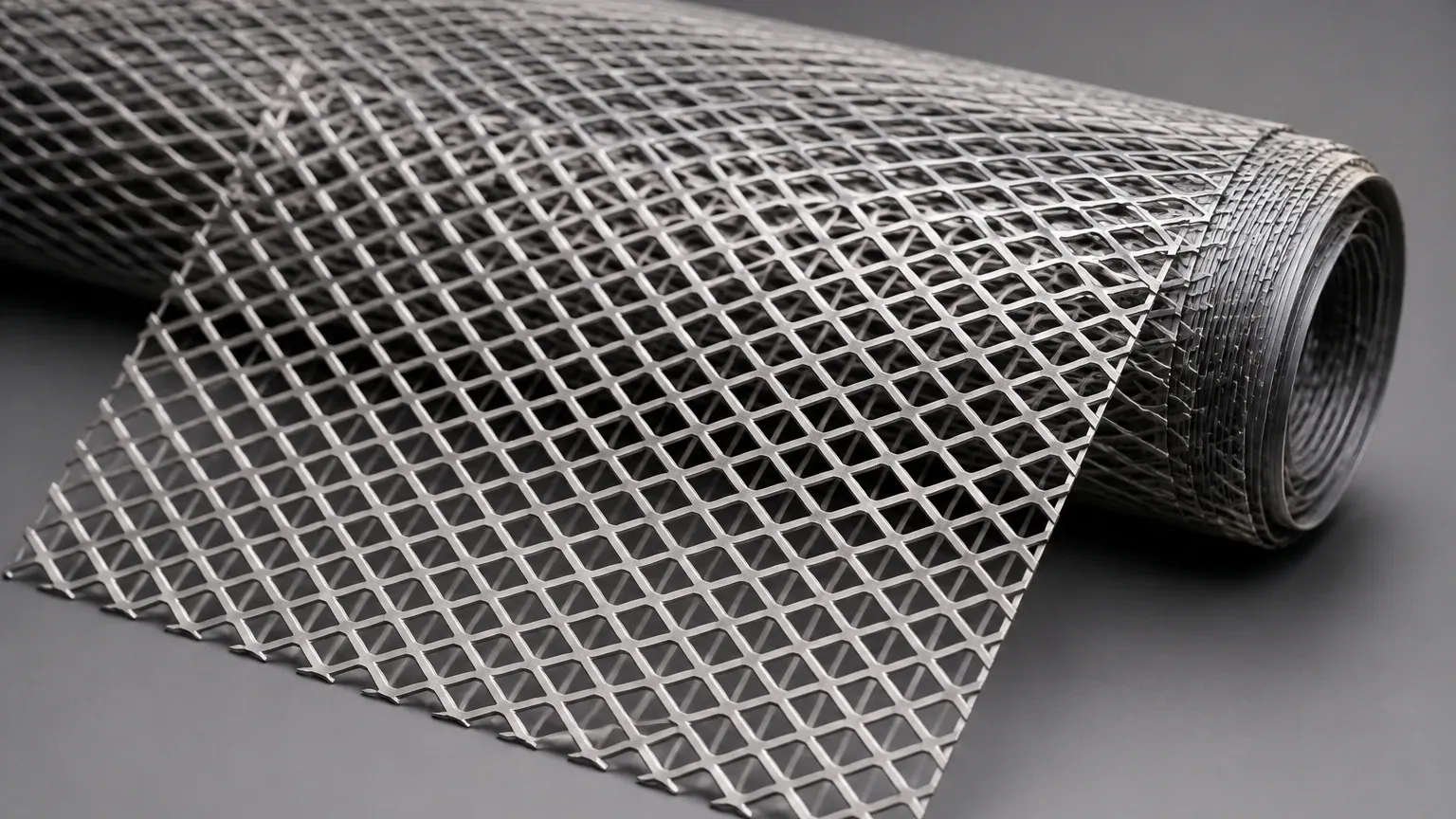
In the landscape of industrial filtration and structural support, expanded metal 1620 represents a specific technical configuration valued for its balance of structural integrity and open area. As a specialized manufacturer of stainless steel filtration solutions, Kaifil recognizes that selecting the correct mesh geometry is critical for the performance of filter cartridges, strainers, and protective guards. Expanded metal is produced by simultaneously slitting and stretching a solid metal sheet, creating a diamond-shaped pattern without the material waste associated with punching processes.
The 1620 designation typically refers to the dimensional characteristics of the diamond opening, often aligning with specific industrial standards for medium-to-heavy-duty applications. For engineers and procurement teams, understanding the mechanical properties, fluid dynamics, and material compatibility of expanded metal 1620 is essential for optimizing filtration systems in chemical processing, water treatment, and hydraulic applications.
Technical Specifications and Geometry of Expanded Metal 1620
To evaluate expanded metal 1620 for a specific project, engineers must look beyond the basic pattern name and analyze the four primary dimensions that define its performance: the Long Way of Design (LWD), the Short Way of Design (SWD), the strand width, and the strand thickness.
Dimensional Definitions
* LWD (Long Way of Design): The distance from the center of one joint to the center of the next joint across the long axis of the diamond.
* SWD (Short Way of Design): The distance from the center of one joint to the center of the next joint across the short axis.
* Strand Thickness: The thickness of the original base metal sheet.
* Strand Width: The amount of metal fed into the expanding machine for each stroke.
In the case of expanded metal 1620, the geometry is engineered to provide a rigid framework. When utilized as a support core for a multi-layer filter element, the SWD and LWD must be precisely calibrated to ensure the outer filter media does not migrate or deform under high differential pressure. The "1620" pattern is frequently selected when a high strength-to-weight ratio is required, offering more rigidity than standard woven wire mesh while maintaining a significant percentage of open area for fluid passage.
Engineering Advantages in Industrial Filtration
Expanded metal 1620 serves a dual purpose in many industrial environments: it acts as both a primary filtration barrier for coarse particles and a secondary support structure for finer mesh layers. Its unique manufacturing process provides several engineering advantages over other types of Perforated & Expanded Metal.
Structural Integrity under Pressure
Unlike woven wire mesh, where individual wires can shift or fray, expanded metal is a single, continuous piece of material. This monolithic structure ensures that the joints (bonds) do not fail under mechanical stress. In high-pressure hydraulic systems or deep-sea water treatment filters, expanded metal 1620 provides the necessary hoop strength to prevent the collapse of cylindrical filter cartridges.
Optimized Flow Dynamics
While perforated metal relies on punched holes, the angled strands of expanded metal 1620 create a three-dimensional profile. In some applications, this profile can be used to induce controlled turbulence, which may help in preventing the rapid buildup of a filter cake on the surface of the media. Conversely, if a smooth flow is required, the material can be "flattened" through a cold-rolling process, which reduces the profile thickness and creates a flush surface.
Material Efficiency and Sustainability
Because the expansion process involves stretching the metal rather than removing it, there is zero scrap produced during the formation of the diamond pattern. This makes expanded metal 1620 a cost-effective alternative to perforated metal, especially when using expensive alloys like 316L stainless steel or Hastelloy. For large-scale industrial projects, this material efficiency translates directly into lower procurement costs without sacrificing performance.
Material Selection for Expanded Metal 1620
The performance of expanded metal 1620 is heavily dependent on the alloy selected. At Kaifil, we focus on stainless steel grades to ensure longevity in demanding B2B environments. The choice of material impacts chemical compatibility, temperature resistance, and the total cost of ownership.
Stainless Steel 304 vs. 316L
* Grade 304: This is the standard choice for general industrial applications, including food and beverage processing and basic water filtration. It offers excellent formability and good corrosion resistance in non-saline environments.
* Grade 316L: For chemical processing, pharmaceutical manufacturing, or marine applications, 316L is the preferred specification. The addition of molybdenum provides superior resistance to pitting and crevice corrosion in chloride-rich environments. The "L" (low carbon) designation is critical if the expanded metal 1620 will be welded into a filter housing, as it prevents carbide precipitation during the welding process.
Specialty Alloys
In extreme environments involving highly acidic or alkaline fluids, specialty alloys such as Duplex stainless steel or nickel-based alloys may be required. Engineers should confirm the pH levels, operating temperatures, and the presence of specific corrosive agents before finalizing the material specification for their expanded metal components.
Customization: Flattened vs. Raised Expanded Metal
When ordering expanded metal 1620, one of the most critical decisions is whether to use the material in its "raised" (standard) state or its "flattened" state. Each has distinct implications for filtration efficiency and mechanical assembly.
Raised Expanded Metal
In its standard form, the strands and bonds are set at a uniform angle to the plane of the sheet. This creates a textured surface that adds strength and rigidity. Raised expanded metal 1620 is often used as a protective outer cage for filter elements, where it can deflect large debris and protect the delicate inner filtration layers from physical impact.
Flattened Expanded Metal
Flattened expanded metal 1620 is manufactured by passing the standard expanded sheet through a heavy-duty leveling mill. This process reduces the thickness of the strands and turns them into the same plane as the sheet. The result is a smooth, flat surface. Flattened metal is ideal for applications where the expanded metal is in direct contact with fine filter cloth or membranes. The flat surface prevents the strands from cutting or abrading the softer filter media, thereby extending the replacement cycle of the entire filter assembly.
Critical Evaluation Criteria for Procurement
For purchasing teams and engineers, ensuring the quality of expanded metal 1620 requires a rigorous evaluation of the supplier's manufacturing tolerances. Variations in strand width or thickness can lead to inconsistent flow rates or structural weak points.
Tolerance and Flatness
Industrial-grade expanded metal must adhere to strict tolerances regarding the LWD and SWD dimensions. If the diamond openings are inconsistent, the open area percentage will fluctuate, leading to unpredictable pressure drops across the filter. Furthermore, the flatness of the sheet is essential for automated welding and assembly processes. Sheets that exhibit "camber" (a bow in the metal) can cause significant downtime in high-speed production lines.
Burr-Free Requirements
The expansion process naturally creates sharp edges. In precision filtration, these burrs can break off and become downstream contaminants, or they can damage the filter media during installation. Kaifil utilizes advanced finishing techniques to ensure that expanded metal 1620 components are properly deburred and cleaned, meeting the stringent requirements of the pharmaceutical and food industries.
Installation and Maintenance Considerations
The integration of expanded metal 1620 into an industrial system requires careful consideration of the installation method and the long-term maintenance schedule.
Welding and Fabrication
Expanded metal is typically secured via spot welding, TIG welding, or mechanical fastening. Because of the open diamond pattern, welding requires a high degree of precision to ensure a strong bond at the joints without burning through the thin strands. When used in cylindrical filters, the seam of the expanded metal 1620 must be perfectly aligned to maintain the structural integrity of the tube.
Cleaning and Replacement Cycles
In many applications, expanded metal 1620 is designed to be permanent or semi-permanent. However, if it is used as a primary strainer, it must be accessible for cleaning. Stainless steel expanded metal can be cleaned using ultrasonic baths, high-pressure water jets, or chemical cleaning agents, depending on the nature of the contaminants. If the material shows signs of erosion or permanent deformation, it should be replaced immediately to prevent the failure of the secondary filtration layers.
Why Choose Expanded Metal 1620 for Your Project?
Choosing expanded metal 1620 offers a balanced solution for industrial professionals who require a durable, high-performance material for filtration and support. Its ability to provide structural reinforcement while maintaining high flow rates makes it a staple in modern engineering. By selecting the appropriate material grade and finish, and by partnering with a manufacturer that understands the nuances of precision expansion, companies can ensure their filtration systems operate at peak efficiency with minimal maintenance costs.
For technical assistance in selecting the right specifications for your application, or to discuss custom fabrication for your filtration needs, engineers are encouraged to consult with specialists who can provide detailed material certifications and performance data. Whether your project requires standard sheets or custom-sized cylindrical supports, expanded metal 1620 remains one of the most reliable options in the industrial market.
To explore the full range of available patterns and technical data, you can Review product options and application support to determine the best fit for your specific industrial requirements.
