


Expanded Metal Headache Rack
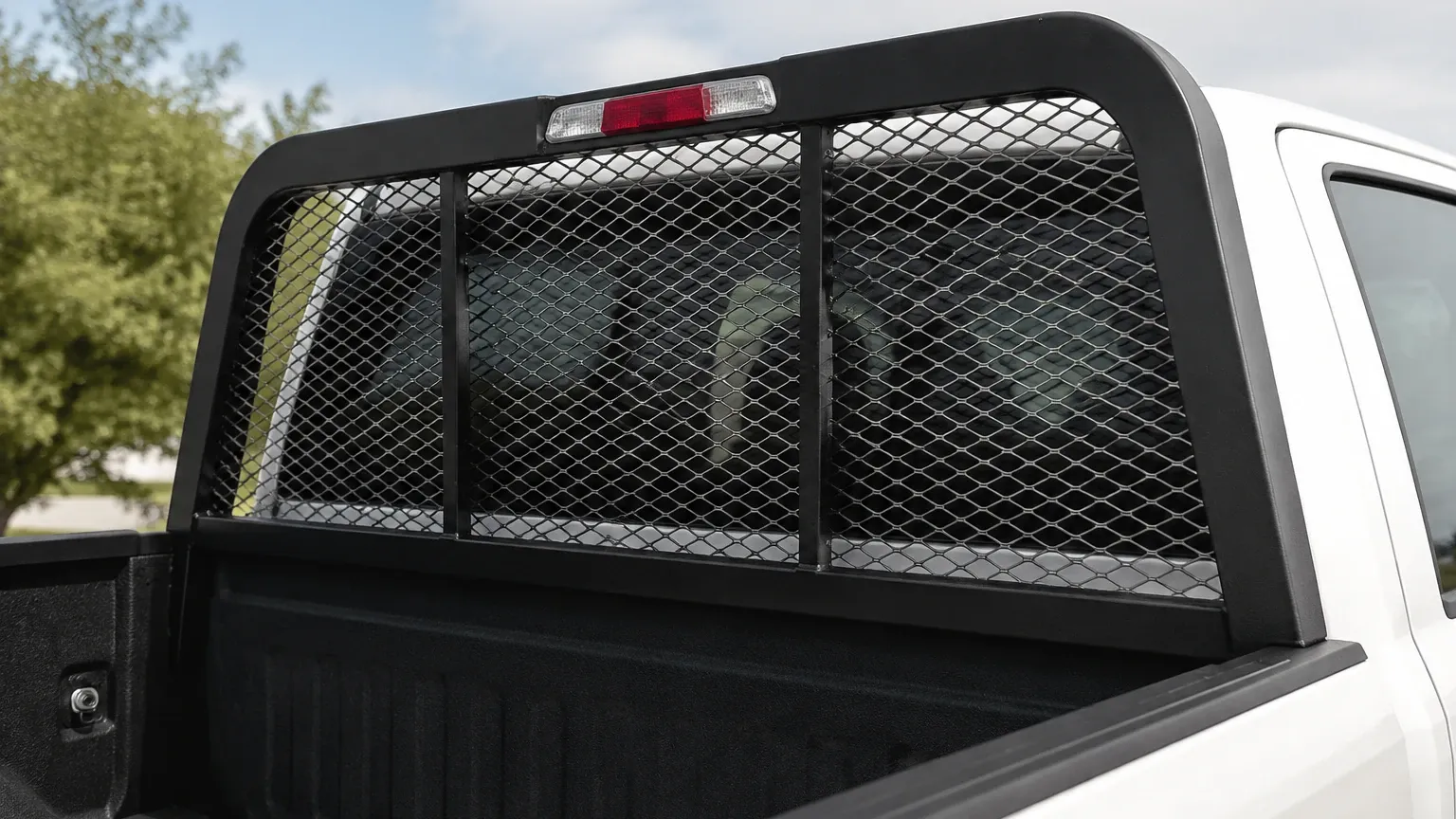
In the realm of commercial vehicle outfitting and industrial logistics, the headache rack serves as a critical safety component. Positioned directly behind the cab of a pickup truck or flatbed, its primary function is to protect the driver and passengers from shifting cargo during sudden stops or collisions. While various materials and designs exist, the expanded metal headache rack remains the industry standard for professionals who require a balance of structural integrity, visibility, and ventilation.
Understanding the technical specifications of the expanded metal used in these racks is essential for engineers and fleet managers. Selecting the right material, mesh pattern, and finish ensures that the rack not only meets safety regulations but also withstands the rigorous demands of industrial environments. This guide explores the engineering considerations, material science, and manufacturing standards associated with high-quality expanded metal components in vehicle protection systems.
The Role of Expanded Metal in Vehicle Safety and Utility
A headache rack is more than just a mounting point for lights or tools; it is a structural barrier. The choice of expanded metal as the primary infill material is driven by several functional requirements that solid plates or simple bars cannot satisfy simultaneously.
Impact Resistance and Energy Absorption
The geometry of expanded metal—created by simultaneously slitting and stretching a solid metal sheet—results in a continuous piece of material without welds or joints. This monolithic structure is inherently strong. When an object strikes an expanded metal screen, the diamond-shaped trusses distribute the force across the entire panel. In a headache rack application, this prevents localized failure and ensures that heavy equipment or debris is contained within the cargo bed.
Visibility and Driver Safety
One of the most significant advantages of using expanded metal over solid steel plate is the preservation of the driver’s rearward field of vision. By selecting specific diamond sizes and strand angles, manufacturers can optimize the "open area" of the mesh. This allows the driver to monitor the load and navigate in reverse while maintaining a high level of protection against window breakage.
Ventilation and Aerodynamics
Solid barriers create significant wind resistance, which can negatively impact fuel efficiency and vehicle handling at high speeds. The open-mesh nature of expanded metal allows air to pass through the rack, reducing drag. Furthermore, for vehicles carrying equipment that may off-gas or require airflow, the mesh ensures that the area behind the cab remains well-ventilated.
Engineering Specifications for Expanded Metal Mesh
When specifying Perforated & Expanded Metal for a headache rack, engineers must look beyond simple aesthetics. The performance of the rack is dictated by the precise dimensions of the mesh.
SWD and LWD Dimensions
Expanded metal is defined by two primary measurements: the Short Way of Design (SWD) and the Long Way of Design (LWD).
* SWD: The distance from the center of a bond to the center of the next bond across the short diamond diagonal.
* LWD: The distance from the center of a bond to the center of the next bond across the long diamond diagonal.
For headache racks, a smaller SWD typically provides better protection against smaller debris but may slightly reduce visibility. Conversely, a larger LWD is often preferred for maximum visibility.
Raised vs. Flattened Expanded Metal
There are two main types of expanded metal used in industrial applications:
1. Raised (Standard) Expanded Metal: The strands are turned at a sharp angle to the plane of the sheet. This provides maximum strength-to-weight ratio and excellent grip if used for walking surfaces, but in a headache rack, it provides a unique directional visibility—clearer from some angles than others.
2. Flattened Expanded Metal: The raised mesh is passed through a cold-rolling reducing mill, which flattens the strands and bonds into a single plane. Flattened mesh is often preferred for headache racks because it is smoother to the touch, easier to paint or powder coat, and provides a consistent thickness that is easier to weld into a frame.
Strand Thickness and Width
The gauge of the original metal sheet and the width of the strands (the amount of metal between the openings) determine the overall weight and strength of the panel. For heavy-duty industrial racks, a thicker gauge (such as 9-gauge or 13-gauge) is standard to ensure the mesh does not deform under the weight of shifting heavy machinery.
Material Selection: Stainless Steel vs. Carbon Steel
The environment in which the vehicle operates dictates the material selection. While carbon steel is common due to its cost-effectiveness, stainless steel offers distinct advantages for long-term industrial use.
Carbon Steel and Finishing
Most commercial headache racks are manufactured from carbon steel. However, because these racks are exposed to rain, road salt, and UV radiation, they require robust surface protection. Powder coating is the preferred finish, providing a thick, durable layer that resists chipping and corrosion. If the coating is compromised, however, carbon steel is susceptible to rust, which can weaken the structural integrity of the mesh over time.
Stainless Steel for Extreme Environments
In industries such as chemical processing, coastal logistics, or food and beverage transport, stainless steel (typically Grade 304 or 316) is the superior choice. Stainless steel expanded metal provides inherent corrosion resistance without the need for secondary coatings.
* Grade 304: Offers excellent durability and resistance to most atmospheric conditions.
* Grade 316: Contains molybdenum, providing superior resistance to chlorides and marine environments.
For fleet operators looking to minimize the total cost of ownership, the higher upfront cost of a stainless steel expanded metal headache rack is often offset by the elimination of maintenance and the extended service life of the component.
Design Considerations for Custom Headache Racks
Customization is often necessary to meet the specific needs of different industries. An effective design must integrate the expanded metal infill into a rigid frame that can be securely mounted to the vehicle chassis or bed rails.
Frame Integration
The expanded metal panel must be perimeter-welded to a heavy-duty frame, typically made from square or rectangular steel tubing. The quality of these welds is paramount; inconsistent welding can lead to vibration noise (rattling) or structural failure under stress. In high-quality OEM manufacturing, the mesh is often recessed into the frame or secured with a secondary retaining strip to ensure a clean, snag-free finish.
Accessory Mounting
Modern headache racks often serve as a hub for vehicle accessories. This includes:
* Lighting: Mounting brackets for LED light bars, beacons, or work lights.
* Tool Storage: Integrated hooks or trays for shovels, straps, and chains.
* Ear Protection: Some designs incorporate side "ears" that extend over the bed rails to provide additional tie-down points.
The expanded metal itself can act as a versatile mounting surface, allowing for the use of specialized clips and bolts to secure gear without drilling into the vehicle body.
Manufacturing Excellence in Perforated & Expanded Metal
Producing expanded metal that meets industrial safety standards requires precision machinery and rigorous quality control. At Kaifil, the manufacturing process for expanded metal components mirrors the precision used in our high-performance filtration solutions.
Whether the application is a hydraulic filter support or a heavy-duty vehicle barrier, the consistency of the expansion process is critical. Variations in strand width or bond strength can create weak points in the mesh. By utilizing advanced CNC expansion presses and high-quality raw materials, manufacturers can ensure that every square inch of the mesh provides the calculated load-bearing capacity.
For engineers and purchasing teams, sourcing components from a manufacturer with deep expertise in metal fabrication is essential. Precision in the expansion process ensures that the mesh remains flat and uniform, which simplifies the assembly process for the final headache rack. This level of quality control is what separates industrial-grade protection from consumer-grade accessories.
Maintenance and Longevity of Industrial Metal Screens
To ensure the continued safety and performance of an expanded metal headache rack, regular inspection and maintenance are required.
Structural Inspection
Over time, the vibrations of the vehicle and the stress of carrying heavy loads can lead to fatigue. Maintenance teams should regularly check the weld points between the expanded metal and the frame. Any signs of cracking or separation indicate that the rack's structural integrity has been compromised and requires immediate repair or replacement.
Corrosion Management
For carbon steel racks, any chips in the powder coating should be touched up promptly to prevent rust from spreading beneath the finish. In the case of stainless steel racks, a simple wash to remove road salts and grime is usually sufficient to maintain the material's protective oxide layer.
Cleaning the Mesh
The diamond pattern of expanded metal can trap debris, mud, and road salt. Regular pressure washing is recommended to clear the openings. This not only maintains the aesthetic appearance of the vehicle but also ensures that visibility and airflow are not obstructed.
Conclusion: Selecting the Right Solution
An expanded metal headache rack is a vital investment in vehicle safety and operational efficiency. By understanding the technical nuances of expanded metal—including the differences between raised and flattened mesh, the importance of SWD/LWD dimensions, and the benefits of stainless steel—purchasing teams can make informed decisions that enhance the longevity of their fleet.
When performance and durability are non-negotiable, choosing a manufacturer that specializes in precision metal components is the most reliable path forward. High-quality Perforated & Expanded Metal provides the foundation for a headache rack that can withstand the harshest industrial conditions while keeping personnel safe and cargo secure. Whether you are designing a custom solution for a specialized service vehicle or outfitting a large commercial fleet, focusing on material quality and engineering precision will ensure the best long-term results.
