


Expanded Metal Mesh Price in Zimbabwe
For industrial engineers, procurement specialists, and project managers operating in Zimbabwe’s growing mining, agricultural, and construction sectors, sourcing reliable filtration and structural materials is a critical operational requirement. Among these materials, expanded metal mesh stands out due to its versatility and cost-efficiency. However, determining a precise expanded metal mesh price in zimbabwe requires a technical understanding of material grades, manufacturing processes, and the logistical variables associated with the Southern African market.
In industrial applications, expanded metal is often compared to perforated metal. While both serve similar functions in filtration and separation, the manufacturing process for Perforated & Expanded Metal differs significantly, which directly impacts the final price point. This article examines the technical and economic factors that influence the cost of expanded metal mesh, providing a framework for professional buyers to make informed decisions.
Technical Foundations of Expanded Metal Mesh
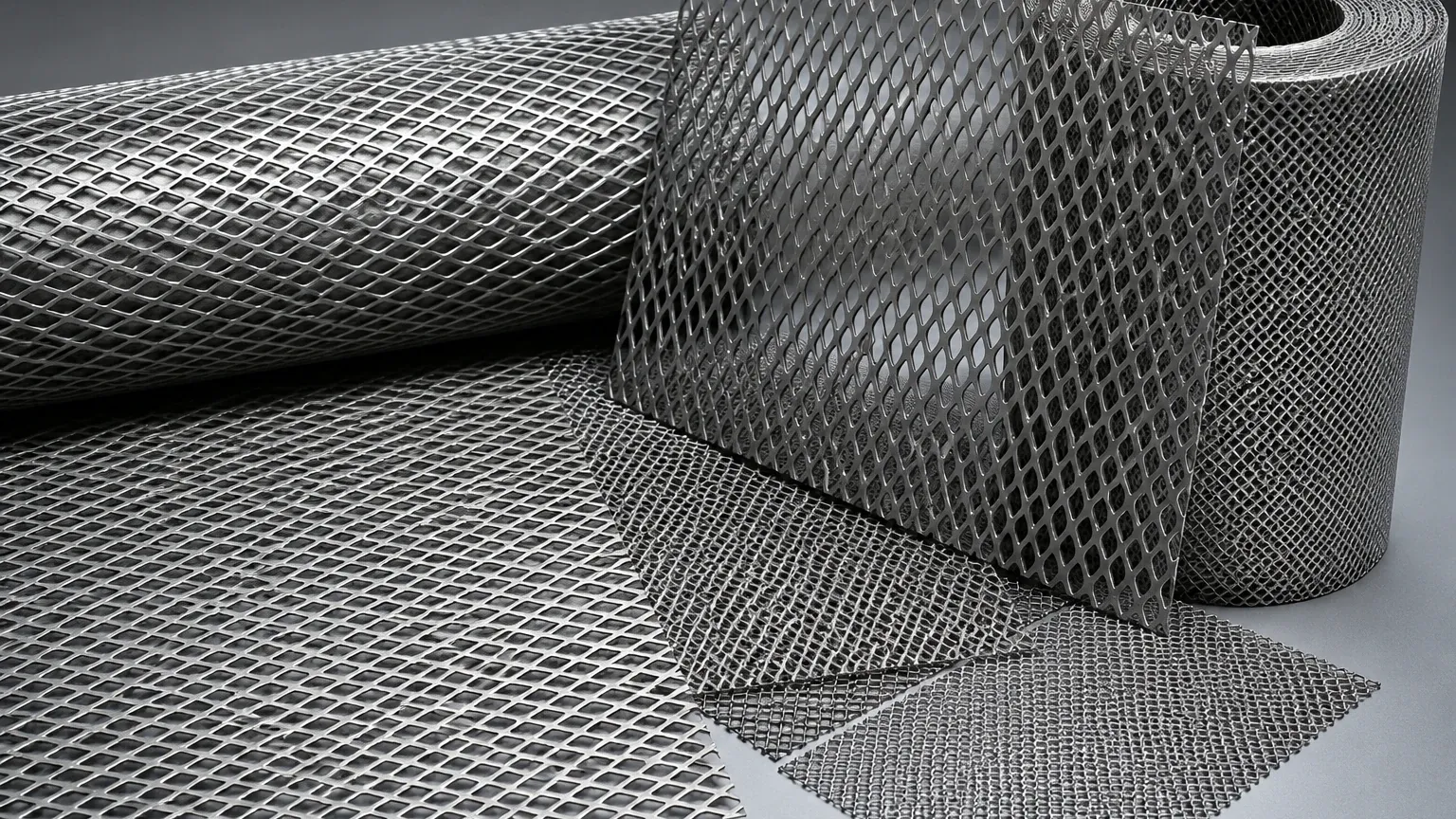
To understand the pricing structure, one must first understand how expanded metal is produced. Unlike perforated metal, which is created by punching holes in a sheet (resulting in material waste), expanded metal is manufactured by simultaneously slitting and stretching a solid metal sheet or coil. This process expands the material into a diamond-shaped pattern without any loss of metal.
From a cost perspective, this "zero-waste" manufacturing method makes expanded metal a highly economical choice for large-scale industrial projects. The structural integrity of the mesh is maintained because the strands are not welded or woven but are part of a single, continuous piece of metal. This lack of joints or welds increases the strength-to-weight ratio, which is a primary consideration for engineers in Zimbabwe's heavy industries, such as gold and platinum mining.
Factors Determining the Expanded Metal Mesh Price in Zimbabwe
Several variables contribute to the fluctuation of expanded metal mesh price in zimbabwe. Because Zimbabwe is a landlocked nation with a heavy reliance on imported industrial components, the final landed cost is often a combination of manufacturing expenses and regional logistics.
1. Material Composition and Grade
The choice of base metal is the most significant price driver.
- Stainless Steel (304, 316, 316L): Preferred for filtration and chemical processing due to its corrosion resistance. Grade 316L is typically more expensive than 304 but is essential for environments with high acidity or salinity.
- Carbon Steel: A more affordable option for structural applications where corrosion is not the primary concern or where the mesh will be galvanized or powder-coated.
- Aluminum: Lightweight and corrosion-resistant, often used in architectural and specialized filtration applications.
2. Mesh Dimensions and Specifications
The geometry of the mesh dictates the amount of raw material used. Engineers must specify:
- SWD (Short Way of Design): The distance from the center of one bond to the center of the next bond across the short diamond axis.
- LWD (Long Way of Design): The distance across the long diamond axis.
- Strand Width and Thickness: These parameters determine the weight of the mesh per square meter. A thicker strand increases the durability and load-bearing capacity but also raises the price.
3. Surface Treatment and Finishing
In Zimbabwe’s humid or chemically active industrial zones, untreated steel may degrade quickly. Post-production treatments such as hot-dip galvanizing, PVC coating, or electro-polishing (for stainless steel) add to the initial cost but significantly extend the service life of the product, lowering the total cost of ownership.
Industrial Applications in the Zimbabwean Context
The demand for expanded metal mesh in Zimbabwe is driven by specific industrial needs. Understanding these applications helps in selecting the right specification, which in turn clarifies the budget requirements.
Mining and Mineral Processing
Zimbabwe’s mining sector requires robust filtration solutions for slurry management and mineral separation. Expanded metal is frequently used as a support structure for finer wire mesh filters or as a primary screen for coarse materials. The ability of the mesh to withstand high-pressure environments makes it a staple in hydraulic filtration systems used in underground mining equipment.
Agricultural Infrastructure
From grain silos to ventilation systems for tobacco curing, expanded metal provides the necessary airflow while maintaining security and structural strength. For these applications, galvanized carbon steel is often the most cost-effective choice, balancing price with environmental protection.
Water Treatment and Chemical Processing
In municipal water treatment plants and chemical manufacturing facilities, stainless steel expanded metal is used for debris screening and as a catalyst support. The precision of the diamond openings ensures consistent flow rates and filtration accuracy, which are vital for maintaining process integrity.
Evaluating Total Cost of Ownership (TCO)
When analyzing the expanded metal mesh price in zimbabwe, procurement teams should look beyond the initial purchase price. The Total Cost of Ownership (TCO) includes maintenance, replacement frequency, and the cost of downtime.
For instance, a lower-priced carbon steel mesh might seem attractive initially, but if it requires replacement every 12 months due to corrosion in a chemical plant, it becomes significantly more expensive than a high-grade stainless steel mesh that lasts for five years. As a manufacturer specializing in custom stainless steel filtration solutions, Kaifil emphasizes the importance of material selection in reducing long-term operational costs.
Logistics and Import Considerations for Zimbabwe
As Zimbabwe imports a significant portion of its precision metal components, logistics play a major role in the final price. Factors such as shipping routes (often through ports like Beira or Durban), customs duties, and inland freight costs must be factored into the procurement budget.
Direct sourcing from a manufacturer like Kaifil can often mitigate some of these costs. By providing customized dimensions and pre-cut panels, manufacturers can help industrial clients reduce on-site labor costs and minimize material waste during installation. Furthermore, consolidated shipping and clear technical documentation can streamline the customs clearance process in Zimbabwe.
Engineering Selection Criteria for Procurement
To ensure that the expanded metal mesh meets the technical requirements of a project while staying within budget, engineers should confirm the following details before requesting a quote:
1. Filtration Accuracy: If the mesh is being used for filtration, what is the required particle retention size? This will determine if a standalone expanded metal sheet is sufficient or if it needs to be part of a multi-layer filter cartridge.
2. Load Requirements: For structural or walkway applications, what is the maximum weight the mesh must support? This dictates the strand thickness and the choice between "raised" (standard) or "flattened" expanded metal.
3. Environmental Exposure: Will the mesh be exposed to chemicals, extreme temperatures, or high humidity? This informs the material grade (e.g., SS 316L vs. SS 304).
4. Customization: Does the project require specific panel sizes or circular cut-outs? Custom manufacturing can reduce the need for secondary processing at the project site.
Conclusion
Navigating the expanded metal mesh price in zimbabwe requires a balance between technical specifications and economic realities. By focusing on high-quality materials like those found in Perforated & Expanded Metal solutions, industrial operators can ensure their systems remain efficient and durable in demanding environments.
Whether for mining, filtration, or structural use, the key to cost-effective procurement lies in selecting the correct material grade and mesh geometry for the specific application. Partnering with a manufacturer that understands the nuances of industrial filtration and precision metal components allows Zimbabwean businesses to optimize their supply chains and achieve superior performance in their operations.
