


Expanded Metal Roofing
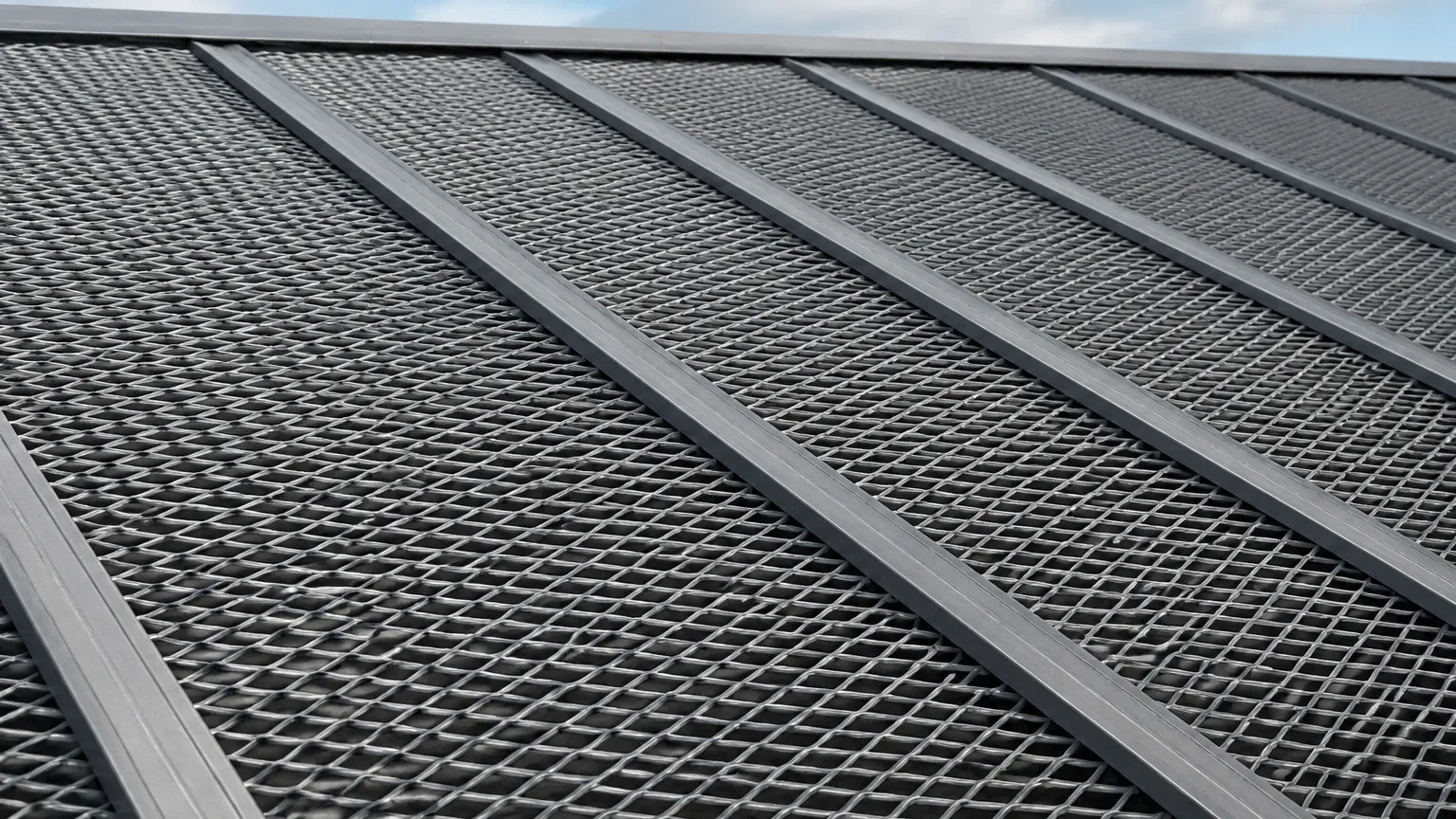
In industrial and commercial architecture, the selection of roofing materials extends beyond simple weatherproofing. Engineers and facility managers must often balance structural integrity, ventilation, safety, and long-term durability. Expanded metal roofing has emerged as a specialized solution that addresses these multi-faceted requirements, particularly in environments where airflow, drainage, and high-strength-to-weight ratios are critical. Unlike traditional solid sheet roofing, expanded metal provides a unique geometric structure that offers functional advantages for walkways, protective screens, and architectural cladding.
Understanding the technical nuances of Perforated & Expanded Metal is essential for professionals tasked with specifying materials for harsh industrial environments. This guide explores the engineering considerations, material selections, and performance expectations associated with expanded metal roofing systems.
Understanding the Manufacturing Process and Structural Integrity
Expanded metal is produced through a process of simultaneously slitting and stretching a solid metal sheet. This mechanical expansion creates a continuous piece of mesh with diamond-shaped openings. Because the material is not punched or perforated, there is zero waste in the production process, and the structural integrity of the original sheet is maintained through a series of interconnected "strands" and "bonds."
For roofing applications, this structure is inherently stronger than an equivalent weight of wire mesh or perforated plate. The strands are set at an angle to the plane of the sheet, which provides natural rigidity and allows the material to deflect impact loads effectively. In the context of expanded metal roofing, this geometry is particularly useful for managing snow loads, resisting high winds, and providing a non-slip surface for maintenance personnel.
Raised vs. Flattened Expanded Metal
There are two primary forms of expanded metal used in roofing and industrial platforms:
1. Raised Expanded Metal: Also known as "standard" expanded metal, the strands and bonds are set at a sharp angle. This creates a high-friction surface ideal for rooftop walkways and drainage screens.
2. Flattened Expanded Metal: The raised mesh is passed through a cold-rolling mill to flatten the strands and bonds. This results in a smooth, level surface often preferred for architectural facades or decorative roofing elements where a sleek profile is required.
Material Selection for Industrial Environments
The longevity of an expanded metal roofing system is heavily dependent on the alloy selected. Industrial facilities, such as chemical processing plants or coastal refineries, present corrosive challenges that standard carbon steel cannot withstand without significant maintenance.
Stainless Steel (304 and 316 Grades)
As a specialist in stainless steel solutions, Kaifil emphasizes the use of 304 or 316-grade stainless steel for demanding applications. Grade 304 offers excellent corrosion resistance for most general industrial uses, while Grade 316 contains molybdenum, providing superior resistance to chlorides and marine environments. Stainless steel expanded metal is the preferred choice for roofs exposed to chemical vapors or salt spray, as it eliminates the risk of rust-induced structural failure.
Aluminum and Galvanized Steel
Aluminum expanded metal is frequently specified for its lightweight properties and natural resistance to atmospheric corrosion. It is an excellent choice for large-scale architectural roofing where weight reduction is a priority. Galvanized steel, while more cost-effective initially, relies on a zinc coating for protection. In high-wear roofing applications, such as walkways, the galvanized layer can eventually wear away, necessitating a more robust material like stainless steel for long-term reliability.
Engineering Specifications: SWD, LWD, and Strand Geometry
When specifying expanded metal roofing, engineers must define the mesh dimensions to ensure the material meets the project's functional requirements. These dimensions are typically categorized by the diamond's orientation:
* SWD (Short Way of Diamond): The distance from the center of one bond to the center of the next bond across the short axis.
* LWD (Long Way of Diamond): The distance from the center of one bond to the center of the next bond across the long axis.
* Strand Width and Thickness: These parameters dictate the overall strength and weight of the mesh. A thicker strand increases the load-bearing capacity but also increases the total weight on the roof structure.
For roofing walkways, a smaller SWD is often preferred to provide a denser surface that prevents small tools or debris from falling through. Conversely, for sunshades or ventilation screens, a larger LWD may be selected to maximize airflow and light transmission while still providing structural protection.
Key Functional Benefits of Expanded Metal Roofing
1. Superior Drainage and Debris Management
The open-mesh design of expanded metal allows for immediate water drainage. This prevents the pooling of water, which is a primary cause of leaks and structural degradation in flat roofing systems. Furthermore, expanded metal acts as a primary filtration layer, preventing large debris, such as leaves or industrial waste, from clogging secondary drainage systems or gutters.
2. Ventilation and Thermal Regulation
Industrial roofs often house HVAC units and exhaust systems that generate significant heat. Expanded metal roofing allows for natural convection and airflow, preventing heat traps that can increase energy costs and stress mechanical equipment. In architectural applications, expanded metal serves as an effective sunshade, reducing solar heat gain on the building envelope while maintaining visibility.
3. Safety and Slip Resistance
Maintenance on industrial roofs is inherently hazardous. Raised expanded metal provides an aggressive, multi-directional gripping surface that remains effective even in wet or oily conditions. This makes it an ideal material for permanent rooftop walkways, access stairs, and safety platforms.
Common Risks and Installation Best Practices
While expanded metal roofing is highly durable, improper installation can lead to premature failure. Engineers should confirm the following details before proceeding with a project:
* Support Spacing: Expanded metal must be supported by a robust framework of purlins or joists. The spacing of these supports must be calculated based on the expected live load (e.g., personnel weight) and dead load (the weight of the metal itself). Deflection limits should be strictly adhered to, especially in walkway applications.
* Fastening Methods: Welding is the most secure method for attaching expanded metal to a structural frame, but it requires specialized coatings at the weld points to prevent localized corrosion. Mechanical fasteners, such as specialized clips or bolts, are also common but must be checked periodically for loosening due to thermal expansion and vibration.
* Thermal Expansion: Metal roofs expand and contract with temperature fluctuations. The installation design must include expansion joints or slotted holes to prevent the mesh from buckling or tearing at the attachment points.
* Edge Treatment: The edges of expanded metal can be sharp. For roofing applications where personnel are present, the perimeter of the mesh should be framed with U-edging or L-angles to ensure safety and provide a clean finish.
Customization and OEM Solutions for Industrial Filtration
In many industrial contexts, expanded metal roofing serves a dual purpose as a filtration or containment component. For example, in chemical processing plants, expanded metal screens may be used to protect sensitive filtration equipment from external contaminants.
Kaifil provides customized Perforated & Expanded Metal solutions tailored to these specific technical requirements. From selecting the appropriate filtration accuracy (mesh size) to designing custom panel dimensions, Kaifil’s engineering team works to ensure that the filtration performance is optimized for the specific environment. Whether the goal is to protect a hydraulic system's air intake or to provide a durable walkway over a water treatment tank, the ability to customize strand geometry and material grade is vital for achieving the desired performance.
Total Cost of Ownership Considerations
When evaluating expanded metal roofing, purchasing teams should look beyond the initial material cost. The total cost of ownership (TCO) includes installation labor, maintenance frequency, and the expected service life of the roof.
While carbon steel might appear cheaper on a per-square-foot basis, the requirement for frequent painting or galvanizing touch-ups can quickly exceed the cost of a stainless steel installation. Stainless steel expanded metal, particularly when manufactured by an OEM specialist like Kaifil, offers a "fit and forget" solution that minimizes downtime and eliminates the risk of catastrophic corrosion-related failures.
Furthermore, the lightweight nature of expanded metal can reduce the structural requirements for the building's primary frame, leading to indirect cost savings during the construction phase. By allowing for better airflow and light, it can also contribute to lower operational costs for lighting and cooling.
Conclusion for Engineering and Purchasing Teams
Expanded metal roofing is a high-performance alternative to traditional materials, offering unique benefits in terms of safety, ventilation, and structural efficiency. To ensure the success of a project involving expanded metal, it is critical to confirm the material grade, mesh dimensions, and load requirements during the design phase.
For engineers seeking reliable components for demanding industrial environments, partnering with a manufacturer that understands the complexities of metal fabrication and filtration is essential. By focusing on precision and material quality, facilities can implement roofing solutions that provide long-term protection and functional utility in even the most challenging conditions.
