


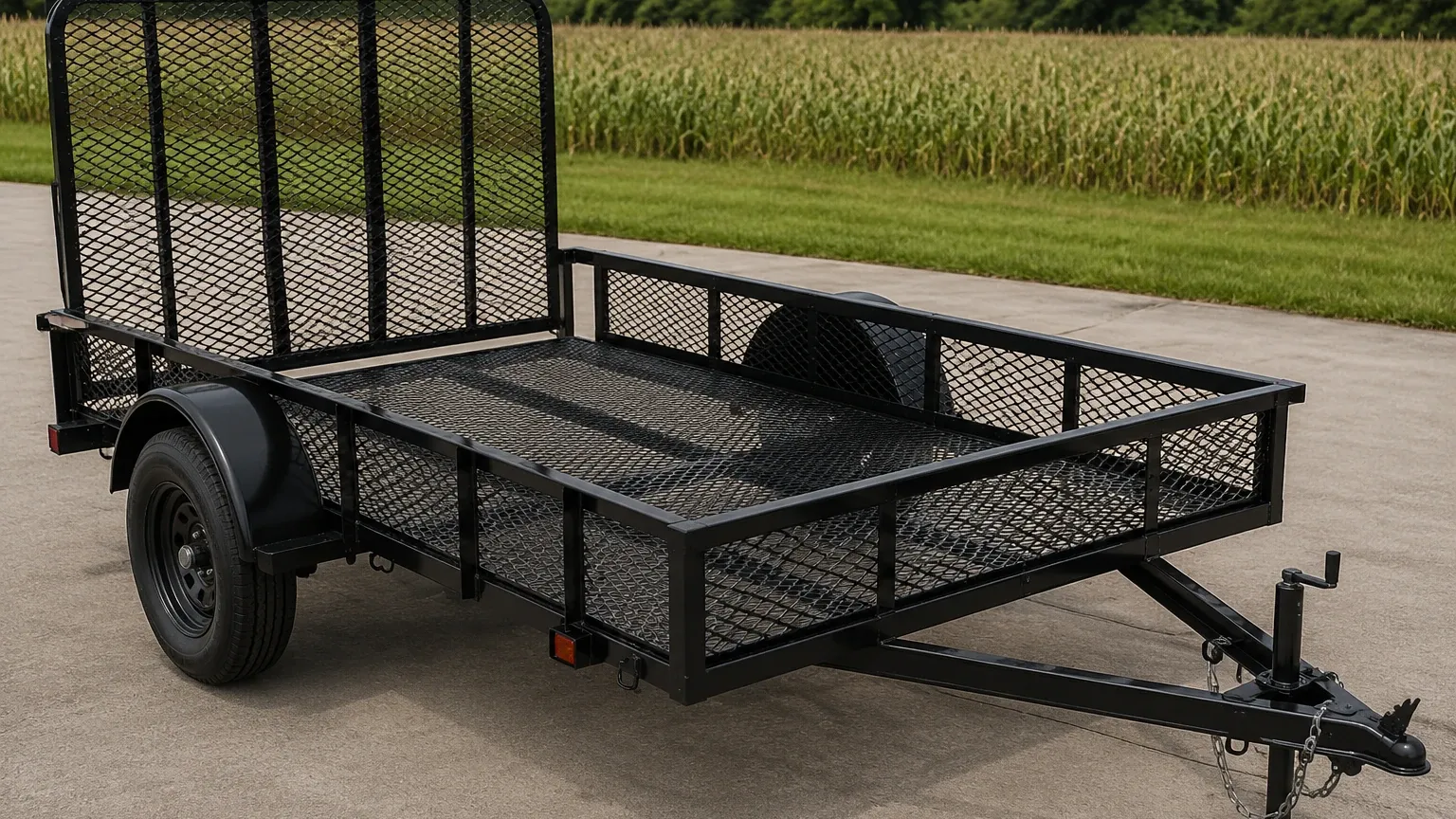
Expanded Metal Utility Trailer
In the realm of industrial transport and logistics, the selection of materials for equipment fabrication is a critical engineering decision. For an expanded metal utility trailer, the choice of mesh dictates not only the load-bearing capacity but also the long-term durability, safety, and maintenance requirements of the unit. Expanded metal is a versatile material produced by simultaneously slitting and stretching a solid metal sheet, creating a diamond-shaped pattern that offers a high strength-to-weight ratio.
For engineers and procurement professionals, understanding the technical nuances of expanded metal—ranging from material grades to structural geometry—is essential for optimizing trailer performance. This guide examines the engineering considerations, material selection, and application-specific advantages of utilizing Perforated & Expanded Metal in the construction of industrial utility trailers.
Understanding Expanded Metal in Utility Trailer Design
Expanded metal is distinct from woven wire mesh or perforated plate due to its unique manufacturing process. Because the metal is expanded rather than punched, there is zero material waste, making it a cost-effective solution for large-scale industrial applications. In the context of a utility trailer, this material is typically utilized for flooring, ramps, and side walls.
There are two primary types of expanded metal used in trailer fabrication: raised (or standard) and flattened.
1. Raised Expanded Metal: The strands and bonds are set at a uniform angle to the plane of the sheet. This creates a textured surface that provides exceptional multi-directional traction, which is vital for trailer ramps and flooring where slip resistance is a priority.
2. Flattened Expanded Metal: This is produced by passing the standard expanded metal through a cold-roll reducing mill. The result is a smooth, flat surface. While it lacks the high-traction properties of raised metal, it is often preferred for trailer side walls or tool cages where a flush surface is required to prevent snagging.
Material Selection: Stainless Steel vs. Carbon Steel
While carbon steel is common in light-duty consumer trailers, industrial-grade expanded metal utility trailers often require higher-performance alloys to withstand harsh environments. Kaifil specializes in stainless steel solutions, which offer significant advantages in specific industrial sectors.
Corrosion Resistance
In industries such as chemical processing, food and beverage, or marine transport, trailers are frequently exposed to corrosive agents, moisture, and extreme temperatures. Stainless steel (typically Grade 304 or 316) provides inherent resistance to oxidation and chemical attack. This eliminates the need for frequent repainting or galvanizing, which are common maintenance burdens for carbon steel trailers.
Strength and Weight
Stainless steel expanded metal maintains high structural integrity even when manufactured in thinner gauges. This allows engineers to reduce the overall tare weight of the utility trailer without compromising the payload capacity. A lighter trailer improves fuel efficiency for the towing vehicle and allows for higher cargo volumes within legal weight limits.
Hygiene and Cleaning
For trailers used in pharmaceutical or food-grade environments, the ability to sanitize equipment is paramount. Stainless steel expanded metal features a non-porous surface that resists bacterial growth and can be cleaned with high-pressure washdowns and aggressive detergents without degrading the material.
Key Engineering Specifications for Trailer Mesh
When specifying Perforated & Expanded Metal for a utility trailer, several technical parameters must be defined to ensure the material meets the application's mechanical demands.
SWD and LWD (Short Way of Design and Long Way of Design)
These dimensions refer to the distances from the center of one bond to the center of the next bond across the short and long diamonds. For trailer flooring, a smaller SWD is often preferred to provide a denser support structure for smaller-wheeled equipment or heavy foot traffic.
Strand Width and Thickness
The thickness of the original base metal and the width of the resulting strands determine the overall strength of the mesh. In heavy-duty utility trailers, thicker strands are necessary to prevent "bowing" or permanent deformation under concentrated loads. Engineers must calculate the maximum point load (e.g., the wheel of a forklift or a heavy machine) to select the appropriate gauge.
Open Area Percentage
The open area of the expanded metal influences both the weight of the trailer and its aerodynamic properties. A higher open area percentage allows for better airflow, reducing wind resistance when the trailer is towed empty at high speeds. However, this must be balanced against the need for structural rigidity.
Structural Advantages for Flooring and Ramps
The primary reason for the prevalence of expanded metal in utility trailer design is its functional performance under real-world conditions.
Self-Cleaning Properties
Unlike solid plate flooring, expanded metal allows debris, mud, snow, and liquids to pass through the mesh. This is a critical safety feature for trailers used in construction or agricultural settings. By preventing the accumulation of material on the trailer bed, the risk of slips and falls is significantly reduced, and the trailer remains easier to maintain.
Superior Traction
The raised edges of standard expanded metal act as built-in cleats. For loading ramps, this traction is essential for safely driving equipment onto the trailer, especially in wet or oily conditions. Unlike grip tapes or applied coatings, the traction provided by expanded metal is a structural component of the material and will not peel or wear off over time.
Impact Resistance
Industrial utility trailers are often subjected to heavy impacts during loading and unloading. The diamond-shaped trusses of expanded metal distribute weight and impact energy more efficiently than solid sheets. This structural geometry helps the trailer bed resist denting and warping under stress.
Customization and OEM Integration
For manufacturers of industrial equipment, off-the-shelf filtration or metal components often fall short of specific design requirements. Customization is a core strength of professional manufacturers like Kaifil. When integrating expanded metal into a utility trailer design, several customization options should be considered:
* Custom Sheet Sizes: To minimize welding and waste, expanded metal can be produced in specific dimensions that match the trailer frame exactly.
* Edge Treatments: For safety and structural integrity, expanded metal can be supplied with finished edges or integrated into U-edging profiles, which simplify the assembly process for the OEM.
* Varied Mesh Patterns: Depending on whether the trailer is intended for hauling heavy machinery, loose bulk goods, or specialized industrial components, the diamond pattern can be adjusted to provide the optimal balance of visibility, containment, and strength.
By working closely with a manufacturer, engineering teams can ensure that the Perforated & Expanded Metal components are optimized for the specific mechanical stresses of their trailer design.
Maintenance, Durability, and Replacement Cycles
The total cost of ownership (TCO) of an expanded metal utility trailer is heavily influenced by the material's lifespan. While the initial investment in high-grade stainless steel expanded metal may be higher than carbon steel alternatives, the long-term savings are substantial.
Inspection Protocols
Regular inspection of the expanded metal mesh is necessary to identify any broken bonds or localized deformation. In industrial settings, these inspections should focus on weld points where the mesh attaches to the trailer frame, as these are the areas most susceptible to vibration-induced fatigue.
Replacement Cycles
In non-corrosive environments, a well-engineered stainless steel expanded metal floor can last the entire lifespan of the trailer frame. However, in high-impact applications, sections of the mesh may eventually require replacement. Because expanded metal is modular, damaged sections can often be cut out and replaced without necessitating a complete overhaul of the trailer bed.
Longevity Factors
Factors that extend the life of the mesh include:
* Proper Support Spacing: Ensuring the trailer frame cross-members are spaced correctly to support the mesh gauge.
* Correct Orientation: Installing the mesh so the LWD runs perpendicular to the support beams for maximum strength.
* Environmental Protection: While stainless steel is highly resistant, regular rinsing to remove salt or caustic chemicals will further extend the service life.
Selecting the Right Component Partner
Choosing the right material for an expanded metal utility trailer requires a balance of metallurgical knowledge and structural engineering. As a professional manufacturer, Kaifil provides the technical expertise necessary to navigate these choices. Whether the application requires precision filtration components or heavy-duty industrial mesh, the focus remains on quality, durability, and precise performance.
For engineers and purchasing teams, the priority is finding a partner that understands the demands of industrial environments. From material selection and filtration accuracy to customized designs, the right manufacturer ensures that every component—including the Perforated & Expanded Metal used in transport equipment—meets the highest standards of reliability.
When evaluating suppliers for your next project, consider their ability to provide detailed specifications on load-bearing limits, material certifications, and customization capabilities. This technical transparency is the foundation of a successful B2B partnership and ensures that the final utility trailer is fit for its intended industrial purpose.
