


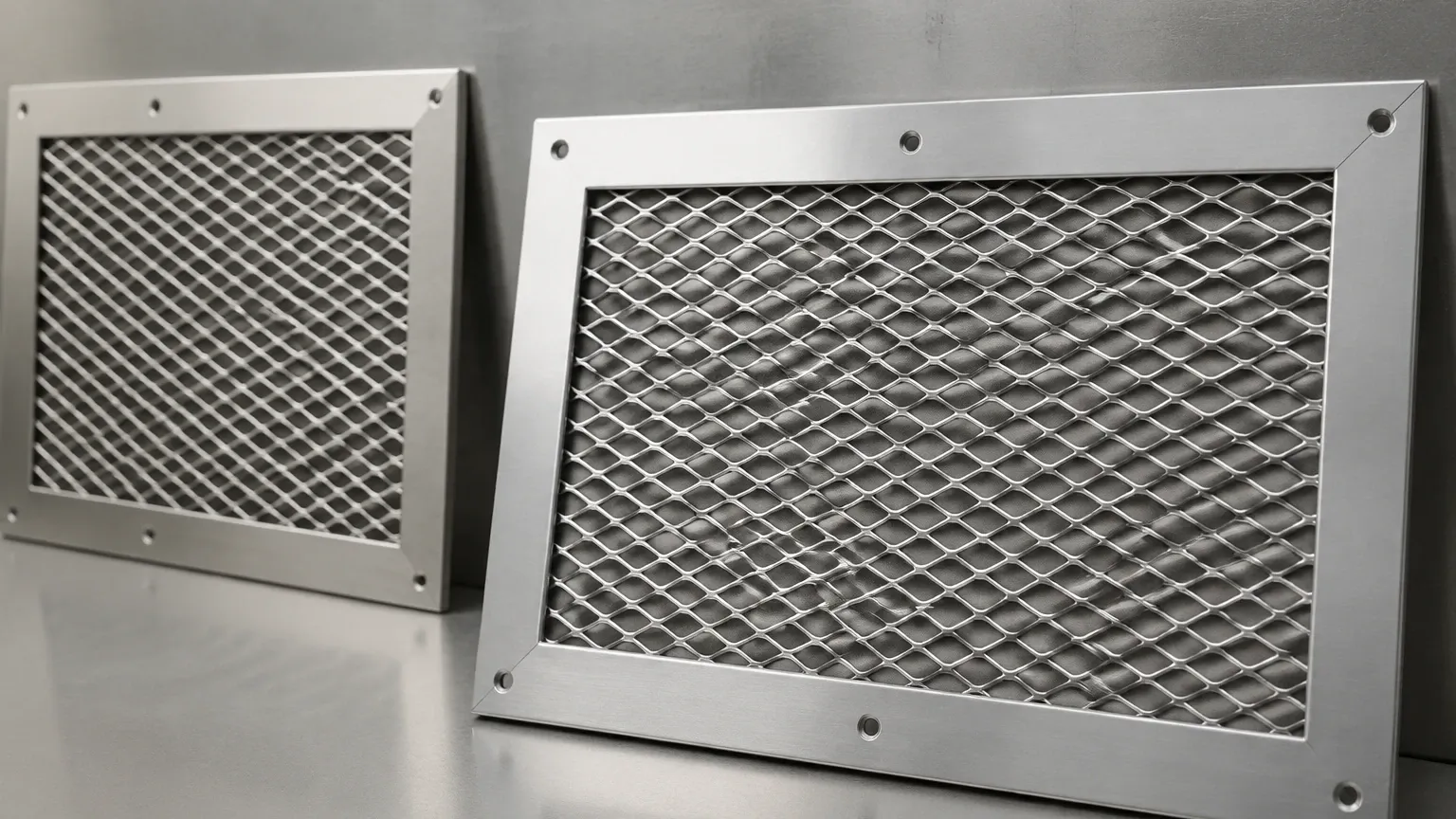
Expanded Metal Vent Cover
In industrial engineering and facility management, the selection of ventilation components is a critical factor in maintaining equipment longevity and operational safety. An expanded metal vent cover serves as a primary protective barrier for HVAC systems, machinery enclosures, and exhaust ports. Unlike standard plastic or light-gauge stamped grilles, industrial-grade expanded metal covers are engineered to withstand mechanical impact, high-velocity airflow, and corrosive environments while maintaining specific pressure drop requirements.
For engineers and procurement professionals, understanding the technical nuances of expanded metal—ranging from the geometry of the openings to the metallurgical properties of the substrate—is essential for optimizing filtration and ventilation performance. This guide examines the engineering considerations, material selection criteria, and application-specific advantages of using expanded metal for industrial venting solutions.
The Engineering of Expanded Metal for Ventilation
Expanded metal is produced through a process of simultaneously slitting and stretching a solid metal sheet. This manufacturing method creates a uniform pattern of diamond-shaped openings. Because the material is stretched rather than punched, there is no scrap metal waste, making it a cost-effective alternative to many types of Perforated & Expanded Metal products in large-scale installations.
Structural Integrity and One-Piece Construction
One of the most significant advantages of an expanded metal vent cover is its structural continuity. The strands and bonds (the intersections where strands meet) form a single piece of metal. This lack of welds or joints prevents the mesh from unraveling if a single strand is cut or damaged. In high-vibration environments, such as those found near heavy industrial fans or turbines, this one-piece construction minimizes the risk of fatigue failure and noise generation caused by loose components.
Raised vs. Flattened Expanded Metal
When specifying a vent cover, engineers must choose between "raised" (standard) and "flattened" expanded metal:
- Raised Expanded Metal: The strands are set at an angle to the plane of the sheet. This creates a three-dimensional surface that can deflect rain, provide directional airflow, or offer increased slip resistance if the vent is located in a floor-level application.
- Flattened Expanded Metal: The raised mesh is passed through a cold-rolling reducing mill, resulting in a smooth, flat surface. Flattened metal is often preferred for vent covers where a low profile is required or where the vent must be easily cleaned to prevent the buildup of particulate matter.
Critical Specifications for Vent Cover Selection
To ensure a vent cover meets the performance demands of an industrial system, several technical specifications must be defined during the design phase.
Open Area and Airflow Resistance
The "open area" percentage is perhaps the most critical metric for any expanded metal vent cover. It determines the volume of air that can pass through the vent at a given velocity. If the open area is too low, the static pressure within the system will increase, forcing fans to work harder and potentially leading to motor burnout or reduced cooling efficiency.
Calculating the open area involves analyzing the Long Way of the Diamond (LWD) and the Short Way of the Diamond (SWD), alongside the strand width. Engineers must balance the need for a high open area for maximum airflow with the need for a smaller mesh size to prevent the ingress of debris, insects, or unauthorized personnel.
Material Grades: Stainless Steel vs. Carbon Steel
For most industrial filtration and ventilation applications, material selection is dictated by the operating environment:
- Stainless Steel (304 and 316): These are the industry standards for corrosive environments. 304 stainless steel offers excellent durability for general industrial use, while 316 stainless steel, containing molybdenum, is required for marine environments or chemical processing plants where exposure to chlorides and acids is common.
- Carbon Steel: Often used in dry, indoor environments where cost is a primary driver. However, carbon steel vent covers typically require secondary finishing, such as powder coating or galvanization, to prevent oxidation.
- Aluminum: Used where weight reduction is a priority, though it offers less mechanical strength than stainless steel.
Applications in Industrial Filtration and Protection
An expanded metal vent cover is rarely just a decorative piece; it is a functional component integrated into complex systems. Kaifil specializes in providing these components for various demanding sectors.
HVAC and Air Intake Systems
In large-scale HVAC systems, expanded metal covers act as pre-filters. They catch large airborne debris—such as leaves, paper, or birds—before they can reach more sensitive, high-efficiency particulate air (HEPA) filters or cooling coils. By protecting the secondary filtration stages, expanded metal extends the replacement cycle of expensive filter cartridges.
Machinery Enclosures and Safety Guards
Industrial machinery generates significant heat that must be dissipated to prevent component failure. Expanded metal covers allow for natural or forced convection while preventing operators from coming into contact with moving parts or high-voltage electronics. The high strength-to-weight ratio of stainless steel expanded metal makes it ideal for these safety-critical applications.
Acoustic and Thermal Insulation Covers
In power generation and heavy manufacturing, vent covers are often used to retain acoustic insulation material within exhaust silencers. The expanded metal provides the necessary structural support to hold insulation blankets in place while allowing sound waves and heat to pass through into the damping material.
Customization and OEM Considerations
Standard off-the-shelf vent covers rarely meet the precise requirements of specialized industrial equipment. Customization is often necessary to ensure a perfect fit and optimal performance.
Dimensional Precision and Bordering
Custom expanded metal vent covers can be manufactured to exact dimensions, including circular, rectangular, or irregular shapes. Furthermore, the edges of expanded metal can be sharp; therefore, industrial covers often feature "U-edging" or welded frames. These borders provide a safe handling surface and simplify the installation process by providing dedicated mounting points for bolts or clips.
Filtration Accuracy
While expanded metal is generally used for coarse filtration, it can be layered with fine wire mesh to create a multi-stage filtration component. Kaifil’s expertise in combining different metal mesh types allows for the creation of custom vent covers that provide both structural protection and fine particulate capture.
Maintenance and Lifecycle Management
The durability of a stainless steel expanded metal vent cover significantly reduces the total cost of ownership compared to synthetic or lower-grade metal alternatives. However, a maintenance schedule is still required to ensure peak performance.
Cleaning Protocols
In environments with high dust or oil mist concentrations, the diamond openings can become occluded. Because stainless steel expanded metal is resistant to high-pressure washing and chemical cleaning agents, it can be cleaned in situ or removed for ultrasonic cleaning. This reusability is a key advantage over disposable filter elements.
Inspection Points
During routine facility inspections, expanded metal covers should be checked for:
1. Debris Accumulation: Ensuring the open area is not restricted.
2. Mechanical Damage: Checking for dents or tears that might compromise safety or allow large contaminants to pass.
3. Corrosion: Particularly in weld zones or at mounting points where dissimilar metals might cause galvanic corrosion.
Why Engineers Choose Expanded Metal Over Perforated Sheet
While both perforated and expanded metals are used for venting, expanded metal offers specific advantages in industrial contexts. The expansion process creates a "truss-like" structure that is inherently stronger than a perforated sheet of the same weight. Additionally, the angled strands of raised expanded metal can be utilized to direct airflow or provide a degree of visual screening that perforated metal cannot achieve.
From a procurement perspective, the lack of material waste in the expanded metal process often results in a lower price point for high-grade alloys like 316L stainless steel, especially when large quantities are required for facility-wide upgrades.
Conclusion: Selecting the Right Solution
Choosing the correct expanded metal vent cover requires a balance of airflow dynamics, material science, and structural engineering. By specifying the correct mesh size, material grade, and finish, engineers can ensure that their ventilation systems operate at maximum efficiency while protecting sensitive internal components from the rigors of the industrial environment.
For those seeking specialized filtration or protective components, Kaifil provides the technical expertise and manufacturing capabilities to deliver high-performance Perforated & Expanded Metal solutions. Whether the application requires a standard HVAC cover or a custom-engineered guard for chemical processing equipment, selecting a manufacturer with a deep understanding of industrial filtration is the first step toward long-term operational success.
