


Expanded Metal Weight Per Square Foot
In industrial engineering and filtration design, precision is the foundation of performance. When selecting materials for support structures, protective screens, or filtration media, understanding the physical properties of the material is essential. One of the most critical metrics for engineers and procurement specialists is the expanded metal weight per square foot. This value does not merely dictate the shipping costs; it influences the structural integrity of the final assembly, the pressure drop across a filtration system, and the overall cost-efficiency of the project.
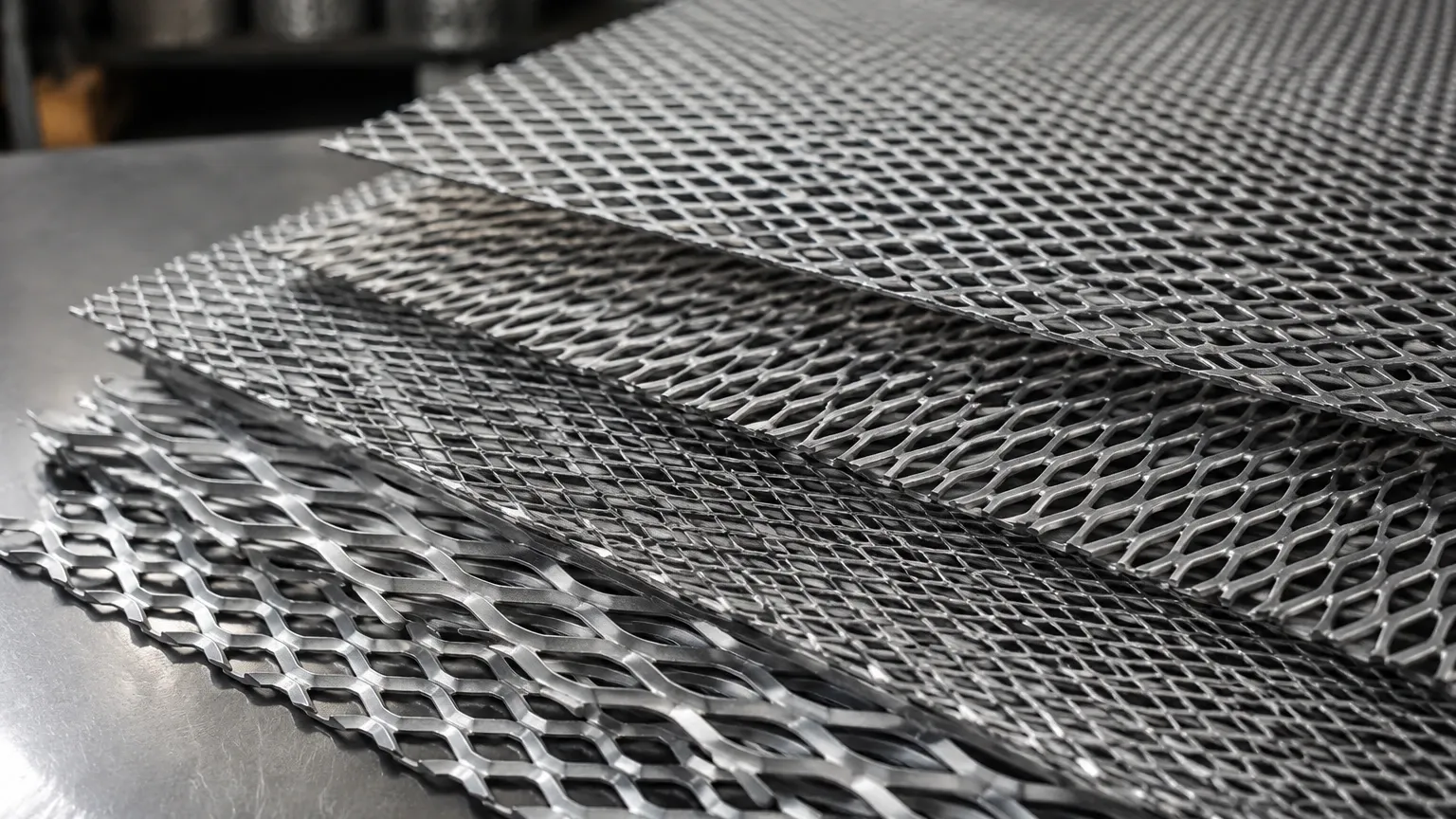
Expanded metal is a unique material produced by simultaneously slitting and stretching a solid metal sheet. Unlike perforated metal, which involves punching holes and creating scrap waste, expanded metal is manufactured without any loss of material. This process creates a diamond-shaped pattern that provides an exceptional strength-to-weight ratio. For manufacturers like Kaifil, providing accurate data on Perforated & Expanded Metal is a prerequisite for helping clients achieve optimal filtration performance.
The Fundamentals of Expanded Metal Weight Calculation
The weight of expanded metal is fundamentally tied to the weight of the original solid sheet from which it was produced. Because the expansion process does not remove material, the weight of a finished expanded sheet is equal to the weight of the base material used to create it. However, because the sheet is stretched, a single square foot of the original solid metal may result in several square feet of expanded metal.
To determine the expanded metal weight per square foot, engineers typically look at the ratio of expansion. If a solid sheet of stainless steel weighing 2 pounds per square foot is expanded to three times its original length, the resulting expanded metal will weigh approximately 0.67 pounds per square foot.
Key Dimensional Terms
To calculate or verify weight, one must understand the standard nomenclature used in the industry:
* SWD (Short Way of Design): The distance from the center of one bond to the center of the next bond measured across the short diamond diagonal.
* LWD (Long Way of Design): The distance from the center of one bond to the center of the next bond measured across the long diamond diagonal.
* Strand Thickness: The thickness of the base metal being expanded.
* Strand Width: The amount of metal fed into the precision dies between slits.
By manipulating the strand width and the SWD, manufacturers can create varying degrees of "open area." A larger open area typically results in a lower expanded metal weight per square foot, which is a critical consideration for lightweight filtration components.
Variables Influencing Expanded Metal Weight Per Square Foot
Several factors contribute to the final weight of the product. In high-performance industrial environments, even minor deviations in material specifications can lead to significant changes in system behavior.
Material Density
The most significant variable is the density of the base alloy. In the filtration industry, stainless steel is the preferred choice due to its corrosion resistance and durability.
* Stainless Steel 304: With a density of approximately 0.284 lb/in³, this is the standard for most industrial applications.
* Stainless Steel 316: Slightly denser and offering superior resistance to chlorides and acids, making it ideal for chemical processing and marine environments.
* Carbon Steel: Heavier and prone to oxidation, usually requiring galvanization or coating.
Raised vs. Flattened Expanded Metal
Expanded metal is initially produced in a "raised" or "standard" format, where the strands are at an angle to the plane of the sheet. This adds rigidity and provides a slip-resistant surface. However, many filtration applications require "flattened" expanded metal. Flattening involves passing the raised expanded metal through a cold-roll reducing mill. While the total weight of the sheet remains the same, the thickness is reduced, and the length of the sheet may increase slightly, which subtly alters the weight per square foot of the final usable piece.
Strand Dimensions
The strand width is the primary mechanical lever used to adjust weight. A wider strand increases the amount of metal present in each diamond, thereby increasing the weight and the structural strength. Conversely, narrower strands reduce weight but may compromise the ability of the mesh to withstand high-pressure differentials in hydraulic or water treatment systems.
Why Weight Precision Matters in Industrial Filtration Systems
For engineers designing filtration cartridges or industrial strainers, the expanded metal weight per square foot is more than a logistical data point; it is a performance indicator.
Structural Support and Rigidity
In many filtration designs, expanded metal serves as the support core or the outer protective wrap for finer wire mesh layers. If the expanded metal is too light, it may collapse under the pressure of the fluid flow (collapse pressure). If it is too heavy, the overall weight of the filter assembly may exceed the handling limits of the machinery or increase the cost of the housing required to hold it.
Open Area and Flow Dynamics
The weight of the material is inversely proportional to the open area. In filtration, the percentage of open area determines the flow rate and the initial pressure drop. A low expanded metal weight per square foot usually signifies a high open area, which is desirable for minimizing energy consumption in pumping systems. However, the engineer must balance this with the need for the mesh to support the filter media without deforming.
Thermal Mass and Heat Transfer
In chemical processing and high-temperature applications, the mass of the filtration component affects how the system responds to temperature changes. A heavier expanded metal structure has a higher thermal mass, which can be beneficial or detrimental depending on whether the process requires rapid thermal stabilization or heat dissipation.
Comparing Perforated & Expanded Metal for Structural Support
When evaluating Perforated & Expanded Metal for a project, weight is often the deciding factor.
Material Utilization
Perforated metal is created by punching holes in a sheet. The "slugs" (the metal removed) are typically recycled, but the buyer pays for the original weight of the sheet plus the processing. Expanded metal is more resource-efficient. Because no material is removed, you can achieve a specific strength profile with less raw material, resulting in a lower weight per square foot for the same overall dimensions.
Strength-to-Weight Ratio
Expanded metal often provides a superior strength-to-weight ratio compared to perforated metal or woven wire mesh. The interconnected strands of expanded metal distribute loads more evenly. In filtration cartridges, this allows for the use of thinner, lighter materials that can still withstand the mechanical stresses of backwashing and high-velocity flows.
Cost Considerations
Because the expanded metal weight per square foot is lower for a given area compared to solid or perforated sheets of similar strength, the material cost is often lower. This is particularly relevant when using expensive alloys like 316L stainless steel or Hastelloy in pharmaceutical and chemical applications.
Engineering Selection: Balancing Weight, Open Area, and Durability
Selecting the right expanded metal requires a technical trade-off between several competing requirements. At Kaifil, we assist engineers in navigating these choices to ensure the filtration solution is both effective and economical.
1. Identify the Load Requirements: Determine the maximum pressure the filter will face. This dictates the minimum strand thickness and width, which in turn establishes a floor for the expanded metal weight per square foot.
2. Calculate Required Open Area: Ensure the mesh does not restrict flow excessively. This will define the maximum allowable weight; if the weight is too high, the strands are likely too wide, reducing the open area.
3. Environmental Compatibility: Select the alloy (304, 316, etc.) based on the chemical nature of the fluid. The density of the alloy will then be used to finalize the weight calculations.
4. Surface Finish: Decide between raised and flattened. Flattened expanded metal is often preferred for filter cores to prevent the sharp edges of the strands from damaging the delicate primary filter media (such as fine wire mesh or non-woven membranes).
Logistics and Total Cost Considerations
In B2B procurement, the "total cost of ownership" extends beyond the purchase price. The expanded metal weight per square foot directly impacts several cost centers:
* Freight and Handling: For large-scale industrial projects, such as water treatment plants or large chemical reactors, the cumulative weight of the filtration components can be several tons. Accurate weight data allows for precise shipping quotes and ensures that site lifting equipment is appropriately rated.
* Installation Labor: Lighter components are generally easier and safer to install, especially in confined spaces or elevated positions within a processing plant.
* Replacement Cycles: While a lighter mesh might be cheaper upfront, if the weight reduction leads to premature fatigue or failure, the long-term cost increases due to downtime and frequent replacements. Finding the "sweet spot" in weight ensures durability without over-engineering.
Technical Verification and Quality Control
When sourcing expanded metal, it is vital to work with a manufacturer that provides detailed material certifications. At Kaifil, our production processes are monitored to ensure that the strand dimensions and expansion ratios remain consistent across the entire production run. This consistency ensures that the expanded metal weight per square foot remains within the specified tolerances, providing predictable performance for the end-user.
Engineers should request a specification sheet that includes:
* Material grade and heat number.
* Nominal weight per square foot.
* Actual measured thickness and strand width.
* Percentage of open area.
By verifying these metrics, purchasing teams can avoid the risks associated with sub-standard materials that may look correct but lack the necessary mass to perform under industrial stress.
Conclusion
The expanded metal weight per square foot is a foundational metric that bridges the gap between raw material procurement and mechanical engineering. Whether it is used as a support structure in a stainless steel filter cartridge or as a protective screen in a hydraulic system, the weight of the expanded metal dictates its strength, flow characteristics, and cost-effectiveness.
By understanding the variables that influence this weight—such as material density, strand dimensions, and the expansion process—engineers can make informed decisions that optimize system performance. For customized filtration solutions that require precise engineering and high-quality materials, exploring the options for Perforated & Expanded Metal is the first step toward a reliable and efficient industrial application. Kaifil remains committed to providing the technical expertise and manufacturing precision necessary to meet these demanding industrial standards.
