


Galvanised Expanded Metal Mesh Price List
In industrial filtration and structural engineering, selecting the right material involves a careful balance between mechanical performance and procurement costs. For many engineers and purchasing managers, the search for a galvanised expanded metal mesh price list is the first step in a complex procurement cycle. However, understanding the variables that dictate these prices is essential for ensuring that the chosen mesh meets the rigorous demands of chemical processing, water treatment, and hydraulic applications.
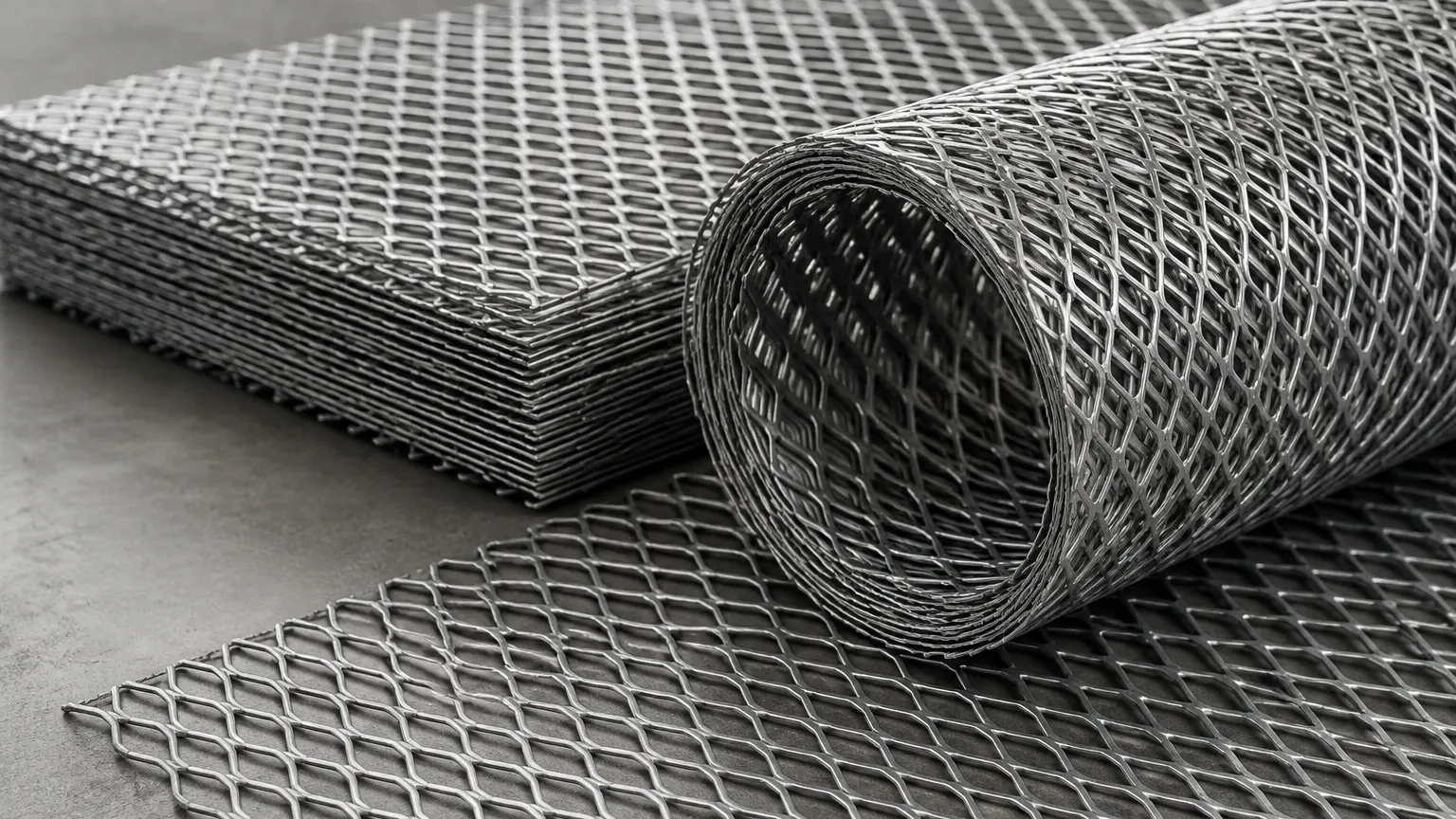
Expanded metal is a versatile material produced by simultaneously slitting and stretching a metal sheet, creating a diamond-shaped pattern of openings. When this process is applied to carbon steel and followed by galvanization, the result is a cost-effective, corrosion-resistant component used extensively as a support medium in filtration systems or as a standalone protective barrier. This article examines the technical factors influencing the cost of these materials and provides engineering guidance for selecting the optimal specifications.
Technical Specifications and Their Impact on Cost
A standard galvanised expanded metal mesh price list is typically organized by several key dimensions. Understanding these is critical because even minor adjustments in specifications can lead to significant price fluctuations.
LWD and SWD (Long Way and Short Way of Diamond)
These terms refer to the distances between the centers of the joints (bonds) in the diamond pattern.
- LWD (Long Way of Diamond): The distance across the larger dimension of the diamond.
- SWD (Short Way of Diamond): The distance across the smaller dimension.
Smaller SWD and LWD measurements generally increase the price per square meter. This is because a tighter mesh requires more precise machine calibration and more frequent slitting actions during production, which increases manufacturing time and tool wear.
Strand Width and Thickness
The "strand" is the metal that forms the sides of the diamond openings. The thickness refers to the gauge of the original base metal, while the width refers to the amount of metal fed into the machine for each stroke. Heavier gauges and wider strands increase the weight of the final product, directly impacting the material cost component of the price list.
Raised vs. Flattened Mesh
Expanded metal is naturally "raised" or "standard," meaning the strands are tilted at an angle to the plane of the sheet. For applications requiring a smooth surface—such as support layers for fine wire mesh filters—the material undergoes a secondary cold-rolling process to become "flattened." Flattening adds an extra production step and can increase the cost, but it is often necessary to prevent damage to delicate filter media.
The Role of Galvanization in Pricing
The "galvanised" aspect of the mesh is a primary driver of its longevity and its price. Galvanization involves applying a protective zinc coating to the steel to prevent oxidation. There are two primary methods used in the industry, each with a different cost profile:
1. Hot-Dip Galvanizing: The mesh is submerged in a bath of molten zinc. This creates a thick, robust coating that covers all edges, including the internal areas of the diamond slits. This is the preferred method for industrial filtration in harsh environments. Due to the weight of the zinc and the energy required for the process, hot-dip galvanizing is more expensive.
2. Electro-Galvanizing: Also known as zinc plating, this process uses an electric current to apply a thin layer of zinc. While it offers a smoother finish and is generally cheaper, it provides less corrosion resistance and may not be suitable for high-moisture or chemically aggressive industrial environments.
When reviewing a galvanised expanded metal mesh price list, it is vital to confirm which galvanization method is being quoted, as the performance gap between the two is substantial.
Factors Influencing the Galvanised Expanded Metal Mesh Price List
Beyond the physical dimensions of the mesh, several external and operational factors influence the final quote provided by manufacturers.
Raw Material Fluctuations
The price of carbon steel is subject to global market volatility. Since expanded metal production involves no waste (unlike perforated metal where the "slugs" are punched out), the material efficiency is high, but the base cost of the steel coil remains the largest variable in the pricing structure.
Volume and Order Scale
Industrial manufacturers like Kaifil often operate on economies of scale. Small, custom orders require significant machine setup time, which is reflected in a higher unit price. Conversely, high-volume orders for standard sizes allow for continuous production runs, significantly lowering the cost per sheet or roll.
Customization and Fabrication
If the project requires specific sheet sizes, custom border treatments (u-edging), or specialized cleaning (degreasing for oxygen service), these add-on services will be reflected in the pricing. For engineers designing custom filter cartridges, sourcing pre-cut or semi-fabricated mesh can reduce total assembly costs even if the initial material price is higher.
Comparing Perforated & Expanded Metal
When evaluating filtration solutions, engineers often compare Perforated & Expanded Metal to determine which is better suited for their specific application. While both provide structural support and filtration capabilities, their pricing and performance characteristics differ.
* Material Efficiency: Expanded metal is generally more cost-effective than perforated metal because it is slit and stretched rather than punched. Perforating can result in up to 40% material waste, which the customer ultimately pays for.
* Strength-to-Weight Ratio: Expanded metal provides excellent structural integrity because it is made from a single piece of metal without joins or welds. This makes it an ideal support cage for stainless steel filter cartridges.
* Flow Dynamics: The angled strands of raised expanded metal can influence fluid flow and turbulence, which may be an advantage or a disadvantage depending on the filtration system's design. Perforated metal offers a more predictable, flat profile for flow calculations.
Engineering Considerations for Selection
Before finalizing a purchase based on a price list, technical professionals should evaluate several performance metrics to ensure the mesh will function correctly within the intended system.
Open Area Percentage
The open area determines the flow rate and pressure drop across the filter. A higher open area reduces resistance but may compromise the structural strength of the mesh. Engineers must calculate the required open area based on the viscosity of the fluid and the desired flow velocity.
Corrosion Resistance Requirements
In chemical processing or water treatment, the pH levels and chemical composition of the fluid will dictate the required thickness of the galvanization. For extreme environments, engineers may need to move beyond galvanised steel to stainless steel expanded metal, which offers superior resistance but at a higher price point.
Mechanical Loading
If the expanded metal is used as a support for a pleated filter element, it must withstand the differential pressure without deforming. The strand thickness and width must be selected not just for cost, but for the burst strength required by the hydraulic or pneumatic system.
Common Risks in Procurement
Relying solely on the lowest price in a galvanised expanded metal mesh price list can lead to several long-term issues:
* Inconsistent Coating: Poorly applied galvanization can lead to "zinc whiskers" or flaking, which can contaminate the downstream fluid in a filtration system.
* Dimensional Instability: Lower-quality manufacturers may have wider tolerances for LWD and SWD, leading to difficulties during the assembly of filter housings or cartridges.
* Edge Burrs: In expanded metal, the edges where the slits are made can be sharp. If not properly handled or specified, these burrs can puncture fine wire mesh layers in multi-stage filters.
How to Confirm Project Requirements
To move from a general price list to a firm, actionable quote, the following information should be confirmed with the manufacturer:
1. Application Environment: Is the mesh exposed to salt spray, acidic vapors, or high-pressure fluid flow?
2. Dimensional Tolerances: What are the allowable variances for sheet size and diamond dimensions?
3. Coating Weight: Specify the required zinc coating weight (e.g., in grams per square meter or microns) to ensure durability.
4. Quantity and Delivery: Confirm lead times, especially for custom specifications that are not held in stock.
Conclusion
A galvanised expanded metal mesh price list provides a useful baseline for budgeting, but it is only one part of the selection process. For industrial applications where reliability is paramount, engineers must look beyond the initial cost and consider the material's structural properties, the quality of the galvanization, and the manufacturing precision. By understanding the technical nuances of LWD, SWD, and strand geometry, procurement teams can source filtration components that offer the best total cost of ownership and long-term performance in demanding industrial environments.
