


Jaring Besi Expanded Metal
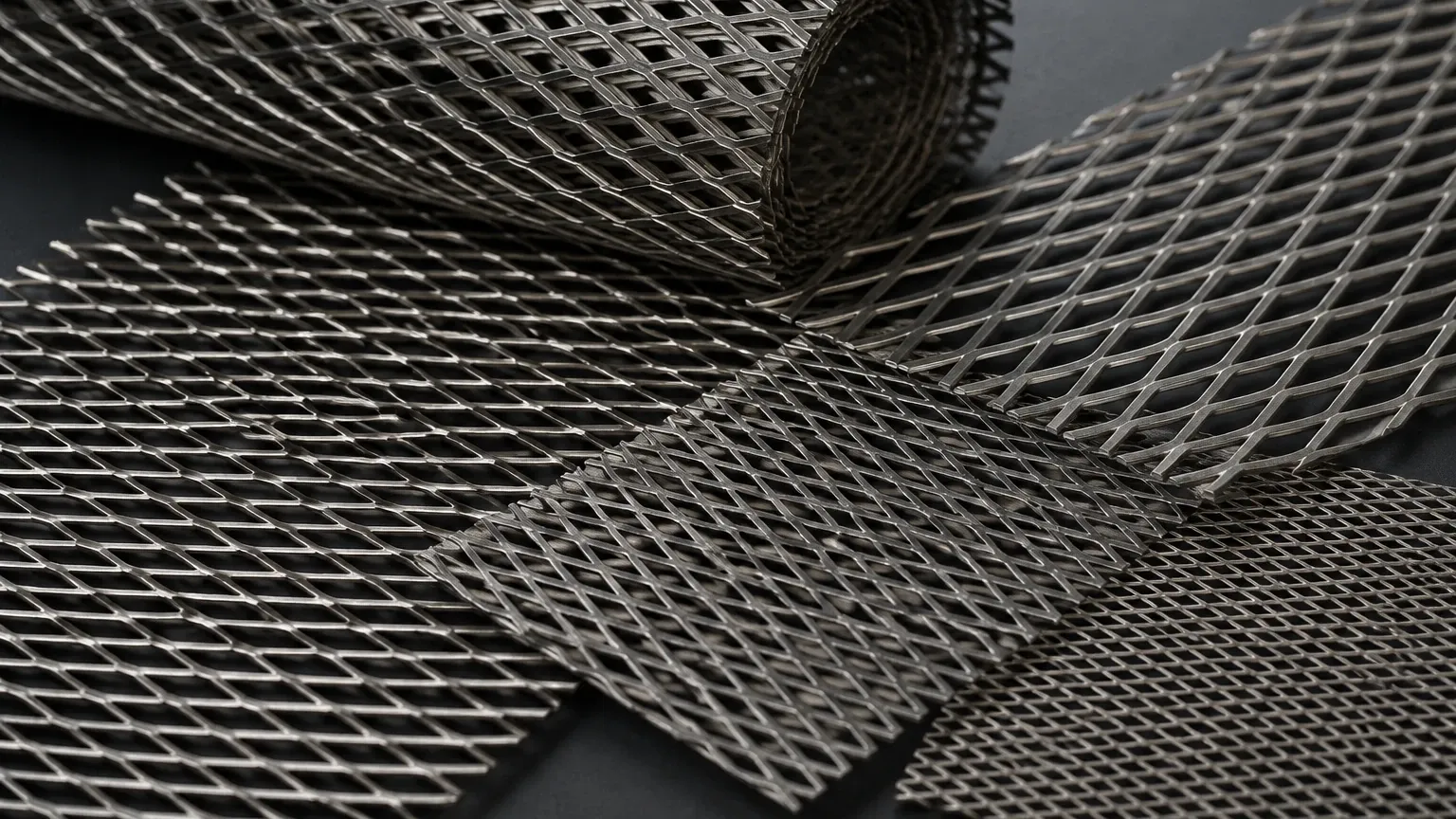
In the landscape of industrial manufacturing and filtration, the selection of structural media is a critical engineering decision. Among the most versatile and cost-effective materials used for support, protection, and coarse filtration is expanded metal. Often referred to in regional industrial contexts as jaring besi expanded metal, this material is characterized by its unique diamond-shaped pattern and its high strength-to-weight ratio. Unlike perforated metal, which is created by punching holes and removing material, expanded metal is produced through a precise slitting and stretching process that preserves the integrity of the original sheet while expanding its surface area.
For engineers and procurement specialists working in chemical processing, water treatment, and hydraulic systems, understanding the technical nuances of Perforated & Expanded Metal is essential for optimizing equipment performance and longevity. This article examines the manufacturing principles, material considerations, and application-specific criteria that define high-quality expanded metal solutions.
The Engineering Principles of Expanded Metal Production
The production of expanded metal is a specialized mechanical process that involves a press equipped with a series of knives. As a solid metal sheet—typically stainless steel, carbon steel, or aluminum—is fed into the machine, the knives slit the metal and simultaneously stretch it. This action creates the characteristic diamond-shaped openings without any loss of material.
From a technical perspective, this process results in a "truss-like" structure. Every strand and bond is part of a single, continuous piece of metal, which ensures that the material remains structurally sound even if individual strands are cut. There are two primary forms of expanded metal used in industrial filtration:
1. Raised (Standard) Expanded Metal: The strands are turned at an angle to the plane of the sheet. This provides maximum strength and rigidity, making it an excellent choice for support cages in heavy-duty filter cartridges.
2. Flattened Expanded Metal: The raised sheet is passed through a cold-rolling mill, which flattens the strands and bonds into the same plane. This creates a smooth surface, which is often required when the expanded metal is used as a protective outer wrap for delicate wire mesh filters to prevent abrasion.
When specifying jaring besi expanded metal for OEM projects, engineers must consider the orientation of the diamond (Long Way of Design vs. Short Way of Design) to ensure the material handles mechanical stresses appropriately within the filtration housing.
Comparing Perforated & Expanded Metal in Filtration
While both materials are used for similar purposes, the choice between perforated and expanded metal often comes down to the specific requirements of the application, including flow rate, pressure drop, and budget.
Material Efficiency and Cost
Perforated metal involves punching out material, which creates scrap. In contrast, expanded metal is a zero-waste product. For large-scale industrial projects, this efficiency translates to lower material costs, particularly when working with expensive alloys like 316L stainless steel.
Structural Rigidity
Expanded metal offers superior rigidity compared to perforated sheets of the same weight. The interconnected strands act as a structural network that distributes loads more evenly. In high-pressure hydraulic filtration, expanded metal is frequently used as a core support to prevent the collapse of the primary filter media under intense differential pressure.
Open Area and Flow Dynamics
Perforated metal allows for very precise control over the open area percentage through hole size and pitch. However, expanded metal can achieve significantly higher open area percentages (up to 80% or more) while maintaining its shape. This is vital for intake screens and coarse water filtration where minimizing resistance to flow is a priority.
Material Selection for Corrosive Environments
In the B2B sector, particularly within the chemical and pharmaceutical industries, the chemical compatibility of the filter media is non-negotiable. While the term jaring besi expanded metal may colloquially refer to steel, industrial applications almost exclusively demand specialized alloys to withstand harsh environments.
* Stainless Steel 304/304L: The standard choice for food and beverage applications. It offers excellent corrosion resistance and can be easily cleaned and sterilized.
* Stainless Steel 316/316L: Contains molybdenum, providing enhanced resistance to chlorides and acidic environments. This is the preferred material for marine applications and pharmaceutical processing.
* Specialty Alloys: For extreme temperatures or highly aggressive chemicals, manufacturers like Kaifil can produce expanded metal from Monel, Inconel, or Titanium.
Selecting the correct grade ensures that the expanded metal does not introduce contaminants into the process stream due to oxidation or chemical breakdown.
Applications of Expanded Metal in Industrial Filtration
Expanded metal serves multiple roles within a filtration system. It is rarely the primary fine-filtration layer but is indispensable as a secondary or support component.
Support for Pleated Media
In pleated filter cartridges, the filter paper or fine wire mesh requires a backbone to maintain its shape. Expanded metal provides a rigid, porous structure that holds the pleats in place, ensuring that the entire surface area of the filter media is utilized effectively during operation.
Coarse Pre-Filtration and Strainers
In water treatment and HVAC systems, expanded metal acts as a pre-filter to capture large debris (leaves, stones, or large particulates) before the fluid reaches the high-precision filter stages. This protects the more expensive fine filters from premature clogging and mechanical damage.
Flame and Spark Arrestors
The high surface area of expanded metal makes it an effective heat sink. In industrial exhaust systems, layers of stainless steel expanded metal are used to dissipate heat and catch sparks, preventing fires in downstream ductwork or collection bins.
Protective Guards and Enclosures
Beyond internal filtration, expanded metal is used to construct protective guards for industrial machinery and ventilation ports. It allows for airflow and visibility while preventing personnel or large objects from contacting moving parts.
Technical Specifications: What Engineers Need to Confirm
When ordering customized jaring besi expanded metal, providing a generic description is insufficient for industrial-grade performance. Procurement teams should confirm the following technical parameters with their manufacturer:
1. LWD (Long Way of Design): The distance from the center of a bond to the center of the next bond across the long axis of the diamond.
2. SWD (Short Way of Design): The distance across the short axis of the diamond.
3. Strand Width: The amount of metal fed into the knives for each slit.
4. Strand Thickness: The gauge of the original metal sheet.
5. Overall Thickness: Especially important for raised expanded metal, as this dictates the clearance required in the filter housing.
6. Open Area Percentage: Calculated based on the relationship between the strand width and the SWD/LWD. This directly impacts the pressure drop across the filter.
At Kaifil, we emphasize that these dimensions must be tailored to the specific flow velocity and particulate load of the application. A mismatch in strand thickness, for example, could lead to vibration fatigue in high-flow gas filtration systems.
Maintenance, Durability, and Total Cost of Ownership
One of the primary advantages of stainless steel expanded metal is its durability. Unlike synthetic mesh, metal filters can often be cleaned and reused multiple times. However, the maintenance cycle depends heavily on the nature of the filtrate.
* Cleaning Methods: Expanded metal can be cleaned using backwashing, ultrasonic cleaning, or chemical baths, depending on the material grade. Because it is a single-piece construction, there are no joints or welds to trap bacteria or harbor corrosion, which is a significant advantage in hygienic applications.
* Monitoring Wear: Engineers should monitor for signs of "blindness" (permanent clogging of the openings) or erosion of the strands. In high-velocity systems carrying abrasive particles, the leading edges of the expanded metal strands may thin over time, eventually compromising the structural integrity of the filter element.
* Total Cost Considerations: While the initial cost of a custom stainless steel expanded metal component may be higher than a disposable plastic alternative, the extended service life and reduced downtime for replacements typically result in a lower total cost of ownership over the life of the equipment.
Conclusion
Expanded metal is a foundational component in modern industrial filtration. Whether used as a robust support core or a high-flow pre-filter, its unique structural properties offer advantages that perforated or woven materials cannot always match. By understanding the manufacturing process and carefully selecting material grades and diamond dimensions, engineers can ensure their systems operate with maximum efficiency.
For those seeking reliable, high-performance filtration components, Kaifil provides extensive expertise in customizing Perforated & Expanded Metal to meet the most demanding industrial specifications. From material selection to precision manufacturing, we work closely with global partners to deliver solutions that enhance the reliability of chemical, hydraulic, and water treatment processes.
