


Kawat Jilumesh Expanded Metal
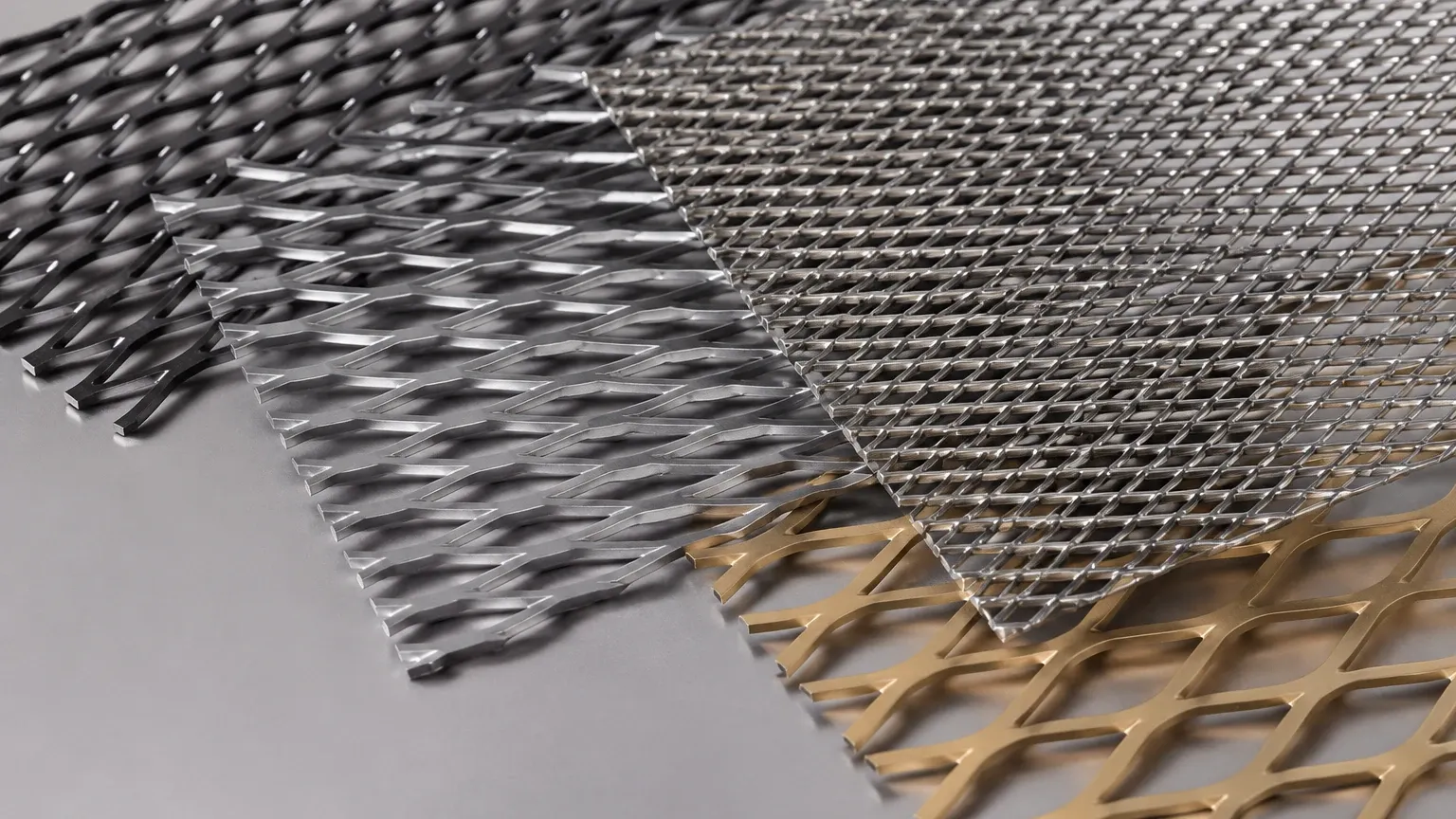
In the landscape of industrial materials, the term "kawat jilumesh" has become synonymous with high-strength expanded metal mesh, particularly within Southeast Asian industrial sectors. From an engineering perspective, kawat jilumesh expanded metal represents a versatile category of Perforated & Expanded Metal that offers a unique combination of structural integrity, weight efficiency, and permeable surface area. Unlike traditional woven wire mesh, expanded metal is manufactured through a process of simultaneous slitting and stretching, resulting in a continuous, weld-free piece of material that maintains the inherent strength of the original metal sheet.
For engineers and procurement specialists, understanding the technical nuances of expanded metal is essential for selecting the right component for filtration, structural support, or architectural applications. This guide explores the manufacturing principles, technical specifications, and industrial applications of expanded metal, focusing on its role in demanding environments such as chemical processing, water treatment, and heavy industrial filtration.
The Engineering Principles of Expanded Metal Manufacturing
The production of expanded metal is a cold-forming process that distinguishes it from other metal mesh products. A solid sheet or coil of metal—typically stainless steel, carbon steel, or aluminum—is fed through an expanding machine equipped with a reciprocating knife. As the knife slits the metal, it simultaneously stretches the material, creating the characteristic diamond-shaped openings.
One of the most significant advantages of this process is the absence of material waste. Unlike perforated metal, where the "slugs" (the circles or shapes punched out) are discarded, expanded metal utilizes 100% of the raw material. This efficiency often translates to a lower total cost of ownership for large-scale industrial projects. Furthermore, because the mesh is formed from a single piece of metal, there are no welds to break or joints to unravel, ensuring that the material can withstand significant mechanical stress and vibration without losing its shape.
Technical Specifications and Terminology
To accurately specify kawat jilumesh expanded metal for an industrial application, engineers must be familiar with standard industry terminology. These dimensions determine the mesh's performance in terms of flow rate, filtration efficiency, and load-bearing capacity.
SWD and LWD (Short Way and Long Way of Design)
* SWD (Short Way of Design): The distance from the center of one bond to the center of the next bond measured across the short diamond diagonal.
* LWD (Long Way of Design): The distance from the center of one bond to the center of the next bond measured across the long diamond diagonal.
* SWO (Short Way of Opening): The actual width of the opening measured from the inside of the bonds.
* LWO (Long Way of Opening): The actual length of the opening measured from the inside of the bonds.
Strand Dimensions
* Strand Thickness: The thickness of the original base metal sheet.
* Strand Width: The amount of metal fed into the machine between the slitting and stretching strokes.
Flattened vs. Raised (Standard) Expanded Metal
Expanded metal is typically produced in two forms: "Raised" and "Flattened."
* Raised Expanded Metal: Also known as standard expanded metal, the strands and bonds are set at a uniform angle to the plane of the sheet. This creates a three-dimensional surface that provides excellent anti-slip properties and high rigidity. It is ideal for walkways, stair treads, and heavy-duty filtration supports.
* Flattened Expanded Metal: This is produced by passing the raised expanded metal through a cold-roll reducing mill. The process flattens the strands and bonds into a single plane, resulting in a smooth, flat surface. Flattened mesh is often preferred when the material needs to be integrated into a frame or when a smooth surface is required to prevent damage to secondary filter media.
Comparing Expanded Metal with Perforated Metal for Industrial Use
When designing filtration systems or structural guards, engineers often choose between Perforated & Expanded Metal. Both offer distinct advantages depending on the application requirements.
Structural Strength and Rigidity
Expanded metal generally offers a higher strength-to-weight ratio than perforated metal. The "truss-like" structure of the diamond openings distributes loads more effectively across the sheet. In filtration applications, this makes expanded metal an ideal choice for the outer cage or inner core of high-pressure filter cartridges, where the component must resist collapsing under differential pressure.
Open Area and Flow Dynamics
Perforated metal allows for very precise control over the open area percentage and hole pattern, which is critical for specific flow calculations. However, expanded metal can achieve significantly higher open area percentages (up to 80% or more) without sacrificing structural integrity. This high permeability is beneficial in air filtration and cooling applications where minimizing pressure drop is a priority.
Cost and Material Efficiency
As previously noted, the lack of scrap in the expansion process makes expanded metal a more cost-effective solution for many B2B applications. For projects requiring expensive alloys like 316L stainless steel or titanium, the material savings can be substantial.
Applications in Industrial Filtration and Fluid Dynamics
In the context of Kaifil’s expertise in stainless steel filtration, expanded metal serves several critical functions. It is rarely the primary filtration medium for fine particles; instead, it acts as the structural backbone for more delicate materials like wire mesh or fiber felt.
1. Support Grids for Pleated Filters
In pleated filter cartridges used in hydraulic or chemical processing, the pleats must be held in place to prevent them from bunching or collapsing under flow. Expanded metal provides a rigid support layer that maintains pleat geometry, ensuring the entire surface area of the filter media remains active.
2. Protective Outer Cages
Industrial filters are often exposed to harsh handling or high-velocity fluid streams. An outer cage made of kawat jilumesh expanded metal protects the internal filter elements from mechanical damage and large debris while allowing the fluid to pass through with minimal resistance.
3. Coarse Pre-Filtration
In water treatment or intake systems, heavy-duty expanded metal screens serve as pre-filters. They capture large solids, branches, or plastic waste before the water reaches finer filtration stages. The durability of stainless steel expanded metal is particularly valued here for its resistance to corrosion and biofouling.
4. Catalyst Support in Chemical Reactors
In chemical processing, expanded metal sheets are used to support catalyst beds. The material must withstand high temperatures and corrosive environments while providing a stable platform that does not impede the chemical reaction's flow requirements.
Material Selection: The Case for Stainless Steel
While expanded metal can be produced from various materials, stainless steel remains the gold standard for industrial applications. Kaifil specializes in stainless steel solutions due to the material's superior performance in demanding environments.
* Corrosion Resistance: In pharmaceutical and food and beverage industries, 304 or 316L stainless steel is mandatory to prevent contamination and ensure the longevity of the filtration system. 316L, with its addition of molybdenum, offers enhanced resistance to chlorides, making it suitable for marine and chemical applications.
* Thermal Stability: Stainless steel maintains its mechanical properties at significantly higher temperatures than carbon steel or aluminum, which is vital for steam filtration or hot gas emission control.
* Cleanability and Hygiene: The smooth surface of stainless steel expanded metal (especially when electropolished) prevents the buildup of bacteria and allows for effective Clean-in-Place (CIP) procedures.
Key Evaluation Criteria for Engineers and Purchasing Teams
Before finalizing a purchase order for kawat jilumesh expanded metal, technical teams should confirm the following parameters with their manufacturer:
1. Load-Bearing Requirements: Will the mesh be used as a walkway or a structural support? This determines the required strand thickness and whether a raised or flattened profile is appropriate.
2. Chemical Compatibility: Does the application involve exposure to acids, bases, or high-salinity environments? This will dictate the grade of stainless steel required.
3. Dimensional Tolerances: For integration into precision filter housings, tight tolerances on LWD, SWD, and overall sheet flatness are critical.
4. Edge Finishing: Expanded metal has naturally sharp edges where the diamonds are cut. Depending on the application, you may require the mesh to be "random sheared" or "bond sheared" (to provide a closed-diamond edge), or even framed with a U-profile for safety and ease of installation.
5. Total Cost Considerations: Beyond the initial purchase price, consider the lifespan of the material. A higher upfront investment in 316L stainless steel expanded metal often results in lower long-term costs due to reduced maintenance and replacement frequency.
Conclusion
Kawat jilumesh expanded metal is a fundamental component in modern industrial engineering, offering a balance of strength, permeability, and cost-efficiency that few other materials can match. Whether used as a robust support for precision filtration media or as a protective barrier in harsh chemical environments, its performance depends heavily on correct specification and material selection. By partnering with a manufacturer like Kaifil that understands the technical demands of industrial filtration, engineers can ensure their systems achieve optimal efficiency and durability. For more information on selecting the right mesh for your project, review the available Perforated & Expanded Metal options and technical support resources.
