


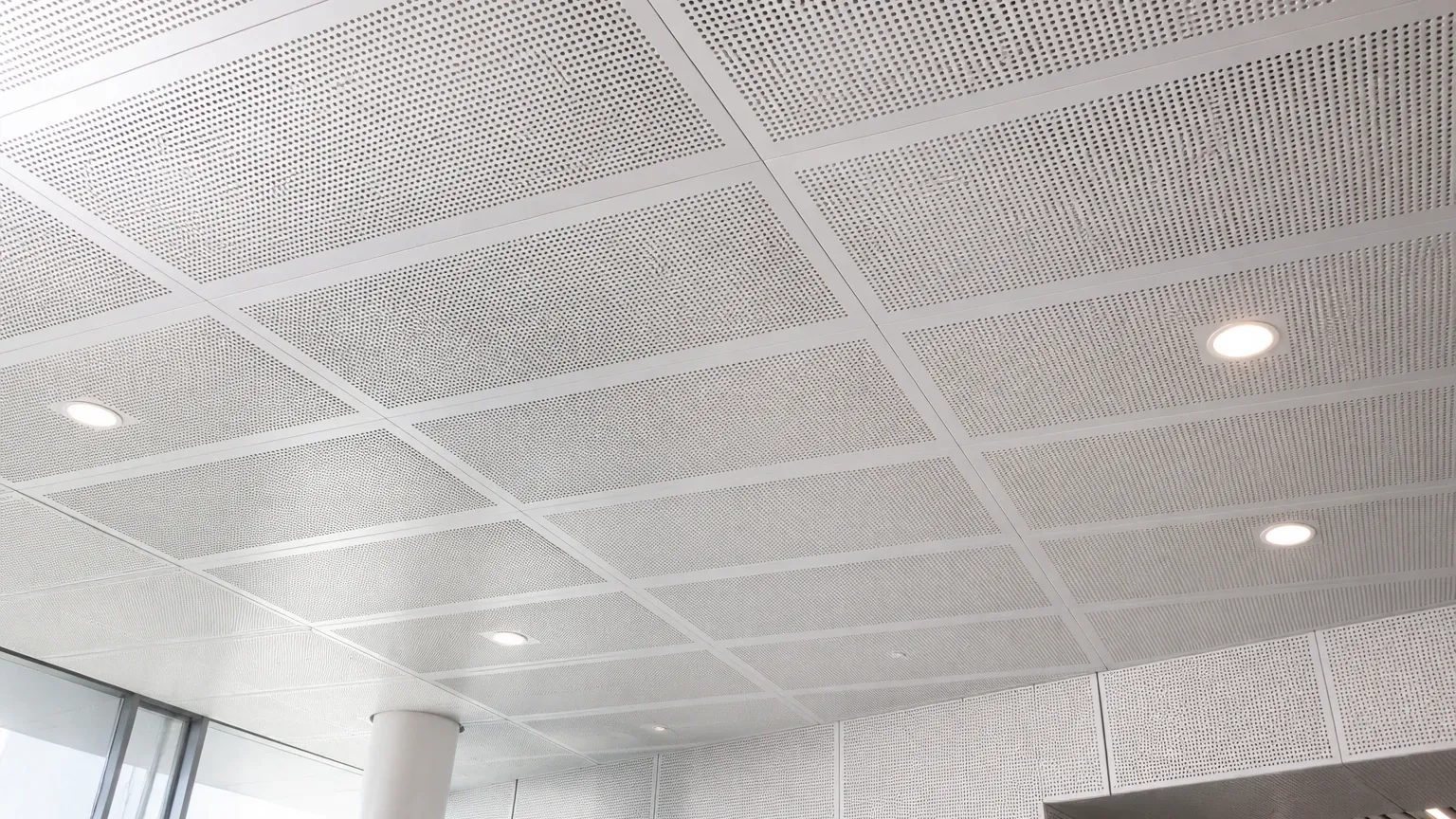
Knauf Perforated Metal Ceiling
In modern industrial and commercial architecture, the selection of ceiling systems has evolved beyond simple aesthetics to encompass rigorous functional requirements, including acoustic control, air circulation, and structural longevity. The Knauf perforated metal ceiling stands as a benchmark in this sector, representing a sophisticated integration of precision engineering and architectural design. For engineers and facility managers, understanding the technical nuances of these systems—specifically the role of perforated and expanded metal components—is essential for ensuring project performance and cost-efficiency.
Industrial filtration and metal fabrication specialists, such as Kaifil, emphasize that the performance of a metal ceiling is dictated by the precise specifications of its perforated elements. Whether the goal is to manage sound reverberation in a high-traffic transit hub or to maintain hygiene in a pharmaceutical cleanroom, the material properties and perforation patterns of the metal panels are the primary drivers of success.
Technical Fundamentals of Perforated Metal Systems
A perforated metal ceiling is essentially a system of metal panels—typically manufactured from aluminum, galvanized steel, or stainless steel—that have been mechanically punched or laser-cut to create a pattern of holes. This process transforms a solid sheet into a functional membrane capable of managing light, sound, and air.
When evaluating a Perforated & Expanded Metal solution for a ceiling application, several engineering variables must be considered:
* Hole Pattern: Common patterns include round, square, or hexagonal (honeycomb) holes. Round holes are the most versatile and cost-effective, offering high structural integrity. Square holes provide a higher open area percentage, which is often preferred for maximum airflow.
* Pitch and Arrangement: Holes can be arranged in a staggered (60-degree) or straight (90-degree) pattern. Staggered patterns are generally stronger and provide a more uniform appearance for acoustic applications.
* Open Area Percentage: This is the ratio of the total area of the holes to the total area of the panel. For acoustic ceilings, an open area between 15% and 30% is standard, though specialized industrial environments may require higher ratios for ventilation.
Acoustic Performance and Engineering
One of the primary reasons for specifying a knauf perforated metal ceiling is its superior acoustic management. In large open spaces, sound waves reflect off hard surfaces, creating echoes and high reverberation times that interfere with communication and safety.
Perforated metal panels function as a "transparent" layer for sound. The sound waves pass through the perforations rather than bouncing off the surface. Once the sound passes through the metal, it is typically absorbed by an acoustic fleece or mineral wool backing placed behind the panel.
The Noise Reduction Coefficient (NRC)
Engineers measure the effectiveness of these systems using the Noise Reduction Coefficient (NRC). A solid metal panel has an NRC near 0.00, meaning it reflects almost all sound. A high-performance perforated metal ceiling system can achieve an NRC of 0.75 to 0.95, depending on the hole diameter, pitch, and the density of the acoustic backing.
For industrial environments with heavy machinery, a higher open area in the perforation pattern allows for deeper sound penetration into the absorption material, significantly reducing ambient noise levels and improving the working environment.
Material Selection for Industrial Durability
While aesthetic appeal is a factor in commercial offices, industrial applications require materials that can withstand harsh conditions. The choice of metal grade is critical to the total cost of ownership (TCO) and the replacement cycle of the ceiling system.
1. Stainless Steel (Grade 304/316): As a specialist in stainless steel filtration and metal components, Kaifil often recommends stainless steel for environments subject to high humidity, chemical vapors, or strict hygiene protocols. Grade 316, in particular, offers excellent resistance to chlorides, making it ideal for coastal facilities or chemical processing plants.
2. Aluminum: Lightweight and naturally resistant to corrosion, aluminum is the standard for most commercial metal ceilings. It is easy to install and can be finished with high-durability powder coatings.
3. Galvanized Steel: This provides a cost-effective balance between strength and corrosion resistance. It is frequently used in large-scale warehouses and manufacturing floors where structural rigidity is a priority.
Installation Systems and Structural Integrity
The method by which a knauf perforated metal ceiling is suspended is as important as the panels themselves. Industrial ceiling systems must account for structural loads, including the weight of the panels, integrated lighting, HVAC diffusers, and fire suppression systems.
Common Suspension Methods
* Lay-in Systems: Panels are placed into a visible T-grid. This is the most common system for facilities requiring frequent access to the plenum (the space above the ceiling) for maintenance of electrical and mechanical services.
* Clip-in / Hidden Grid Systems: Panels are snapped into a concealed carrier. This creates a seamless, monolithic look and provides a higher level of security, as the panels cannot be easily removed without specialized tools.
* Hook-on Systems: Often used for large-format panels or expanded metal ceilings, this system allows for easy removal and provides a robust connection suitable for areas with high vibration or wind loads.
When using expanded metal instead of perforated sheets, the structural characteristics change. Expanded metal is created by slitting and stretching a single sheet, resulting in a diamond-shaped mesh. This process adds inherent rigidity to the material, often allowing for thinner gauges to be used over larger spans without sagging.
Customization and OEM Manufacturing
Standard off-the-shelf ceiling tiles often fail to meet the specific requirements of complex industrial projects. This is where the capabilities of a custom manufacturer become vital. OEM production allows for the integration of specific features that simplify installation and enhance performance.
Precision Margins and Borders
In high-end architectural and industrial applications, "borderless" perforations can look unfinished. Custom manufacturing allows for specific unperforated margins around the edges of each panel. This not only improves the aesthetic finish but also increases the structural strength of the panel edges where they interface with the suspension system.
Integration with Building Services
Modern ceilings are more than just covers; they are service hubs. Custom-cut apertures for LED lighting, sprinkler heads, and air returns can be pre-engineered into the perforated panels. This reduces on-site labor and ensures a precision fit that maintains the integrity of the acoustic and aesthetic design.
Maintenance and Long-Term Value
One of the significant advantages of a metal ceiling system over traditional mineral fiber tiles is durability. Metal panels do not sag over time, are resistant to mold and mildew, and can be cleaned repeatedly without degrading the material.
For facilities in the food and beverage or pharmaceutical sectors, the ability to sanitize surfaces is paramount. Stainless steel perforated panels can withstand aggressive cleaning agents and high-pressure washing, ensuring compliance with health and safety regulations.
Evaluating Total Cost of Ownership
While the initial investment in a knauf perforated metal ceiling or a custom stainless steel solution may be higher than mineral-based alternatives, the long-term value is found in:
* Reduced Replacement Frequency: Metal panels can last the lifetime of the building.
* Energy Efficiency: High-reflectivity finishes can reduce the need for artificial lighting, while optimized perforation patterns improve HVAC efficiency.
* Sustainability: Metal is 100% recyclable, contributing to LEED and other green building certifications.
Conclusion for Technical Procurement
Selecting the right perforated metal ceiling requires a balance of acoustic science, material chemistry, and structural engineering. Whether specifying a brand-name system like Knauf or seeking a custom-engineered solution for a specific industrial application, engineers must prioritize the technical specifications of the metal components.
By focusing on the hole pattern, open area, material grade, and integration requirements, purchasing teams can ensure that their ceiling system provides more than just a visual finish—it provides a functional, durable, and high-performance environment. For those requiring specialized patterns or high-durability materials like stainless steel, partnering with a manufacturer experienced in Perforated & Expanded Metal ensures that the final product meets the exact tolerances required for demanding industrial service.
