


Perforated Metal for Bird Feeders
In the design and manufacture of high-quality wildlife equipment, material selection is the primary determinant of product longevity, safety, and functional performance. For manufacturers of bird feeders, the transition from plastics and low-grade meshes to industrial-grade metal components has become a standard for premium product lines. Specifically, the use of Perforated & Expanded Metal provides a unique combination of structural integrity, ventilation, and precision that is difficult to replicate with alternative materials.
As a specialist in stainless steel filtration and metal components, Kaifil provides technical insights into how these materials are engineered to meet the rigorous demands of outdoor environments. This guide examines the technical specifications, material considerations, and engineering requirements for selecting perforated metal for bird feeders.
The Functional Role of Perforated Metal in Feeder Design
A bird feeder is essentially a containment and dispensing system that must operate under constant exposure to UV radiation, fluctuating temperatures, and moisture. Perforated metal serves several critical roles in this application:
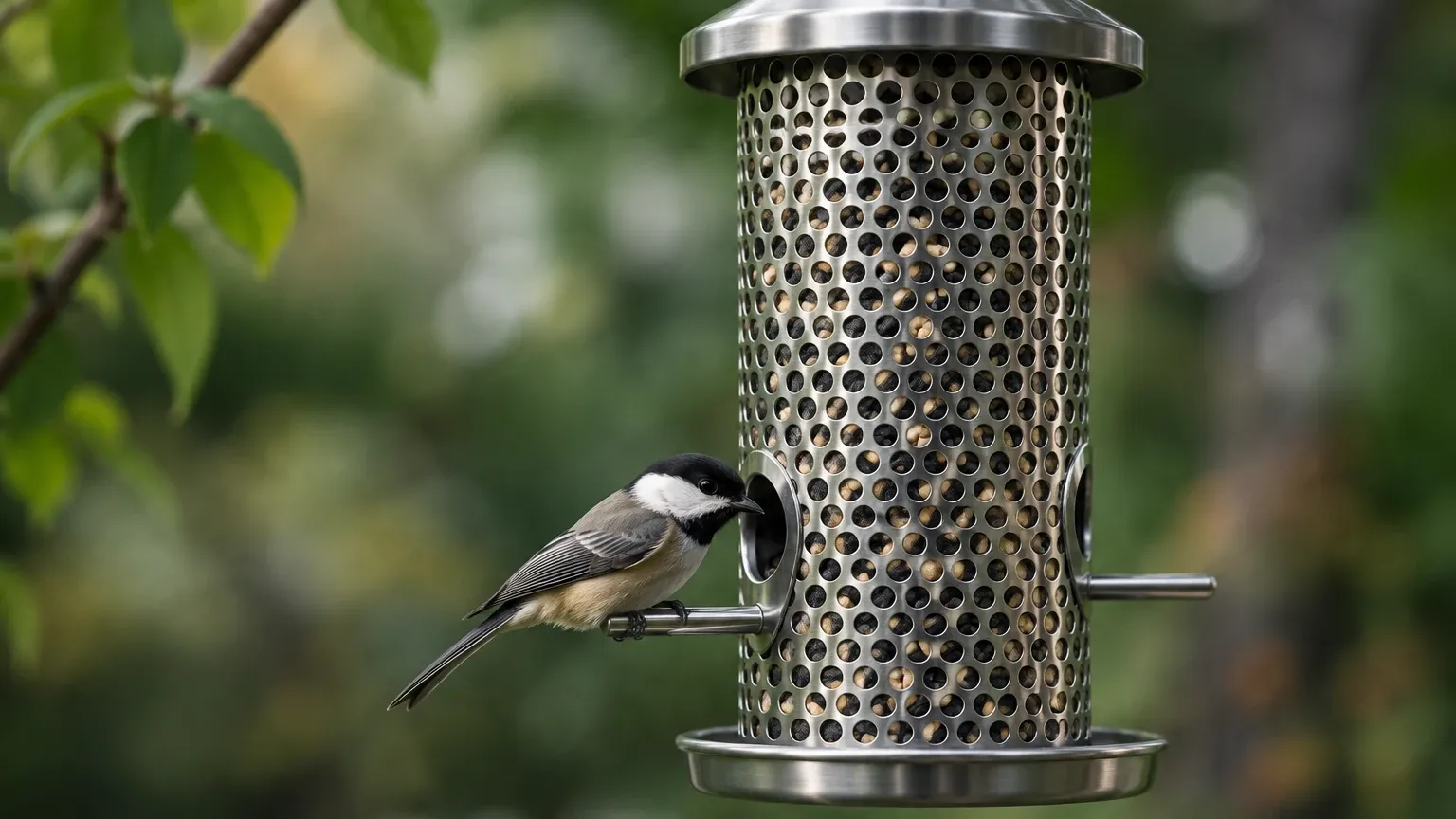
1. Moisture Management and Aeration: One of the leading causes of seed spoilage and avian disease is the accumulation of moisture within the feeder. Perforated metal allows for 360-degree airflow, which helps keep the seed dry. This "breathability" is essential for preventing the growth of mold and bacteria.
2. Structural Rigidity: Unlike wire mesh, which can deform under the weight of larger birds or the impact of squirrels, perforated metal maintains its shape. This rigidity ensures that the dispensing apertures remain consistent over time.
3. Visual Transparency: For both the birds and the enthusiasts who monitor them, visibility is key. Perforated sheets offer a high degree of transparency while maintaining a secure barrier, allowing users to easily monitor seed levels.
4. Pest Resistance: High-gauge stainless steel perforated metal is virtually impervious to the chewing and clawing of squirrels and other rodents, which frequently destroy plastic or thin mesh feeders.
Material Selection: Why Stainless Steel is the Industry Standard
While perforated metal can be manufactured from various alloys, including aluminum, galvanized steel, and carbon steel, stainless steel remains the preferred choice for professional-grade bird feeders. Kaifil’s expertise in stainless steel filtration highlights the importance of alloy selection in outdoor applications.
Type 304 Stainless Steel
Grade 304 is the most common stainless steel used in the industry. It provides excellent corrosion resistance against rain and humidity and maintains its structural properties across a wide temperature range. For most residential and commercial bird feeder applications, 304 stainless steel offers the best balance between cost and performance.
Type 316 Stainless Steel
In coastal environments where salt spray is a factor, Grade 316 is recommended. The addition of molybdenum enhances its resistance to chloride-induced pitting and crevice corrosion. While the initial cost is higher, the total cost of ownership is lower in harsh environments because the material will not rust or degrade, maintaining the feeder’s aesthetic and functional integrity for decades.
Comparison with Galvanized Steel
Galvanized steel is often used as a lower-cost alternative, but it relies on a zinc coating for protection. Once this coating is scratched or worn—common in feeders due to bird claws and weather—the underlying steel begins to oxidize. Furthermore, there are ongoing discussions in the wildlife community regarding the long-term safety of zinc coatings in contact with animal feed, making stainless steel the safer, more sustainable choice.
Technical Specifications: Hole Patterns and Open Area
When sourcing perforated metal for bird feeders, engineers must balance the "open area" (the percentage of the sheet that is holes) with the specific type of seed the feeder is intended to hold. This is a classic filtration challenge: retaining the solid media while allowing the passage of air and water.
Hole Size and Shape
* Round Holes: The most common and cost-effective pattern. Round holes provide high structural strength and are easy to deburr. For small seeds like Nyjer (thistle), a very small aperture is required (typically around 1.5mm to 2mm). For larger sunflower seeds, apertures may range from 3mm to 6mm.
* Square Holes: These offer a higher open area percentage, which can improve visibility and airflow, but may have slightly lower structural rigidity than round holes of the same gauge.
* Hexagonal Holes: Often chosen for their high open area (up to 80%) and modern aesthetic, though they require more precise manufacturing to ensure edge safety.
Calculating Open Area
The open area percentage determines how much airflow the feeder receives. A higher open area is generally better for seed health but must be balanced against the gauge of the metal to ensure the feeder does not become flimsy. For bird feeders, an open area between 40% and 60% is typically optimal.
Engineering Considerations for Safety and Durability
Manufacturing perforated metal for bird feeders involves more than just punching holes in a sheet. Several engineering factors must be addressed to ensure the product is safe for wildlife and durable for the end-user.
Deburring and Surface Finishing
The perforating process involves high-speed punching, which can leave sharp burrs on the exit side of the hole. In a bird feeder application, these burrs can injure a bird’s beak, tongue, or feet. Kaifil emphasizes the importance of post-production finishing. Industrial deburring processes, such as vibratory finishing or electropolishing, are used to ensure that every edge is smooth and safe.
Gauge Thickness
The thickness of the metal (gauge) affects both the weight and the durability of the feeder. While thinner gauges are lighter and cheaper to ship, they are more susceptible to denting. For most high-quality feeders, a gauge between 18 and 22 is standard. This provides enough thickness to resist squirrel damage while remaining light enough for standard mounting hardware.
Expanded Metal vs. Perforated Metal
In some designs, expanded metal is used as an alternative to perforated metal. Expanded metal is created by slitting and stretching the sheet, resulting in a diamond-shaped mesh.
* Advantages of Expanded Metal: It is often more cost-effective because the process involves no waste (no slugs are punched out). It also provides a natural "grip" for birds to cling to.
* Advantages of Perforated Metal: It offers more precise control over hole size and spacing, which is critical for feeders designed for specific seed types. It also typically has a smoother surface, which is easier to clean and sanitize.
Maintenance, Hygiene, and Lifecycle Costs
From a B2B perspective, the "total cost of ownership" is a critical selling point for premium metal feeders. While plastic feeders may have a lower initial purchase price, they often require replacement every 1–3 years due to UV degradation, cracking, or pest damage.
Ease of Cleaning
Bird feeders must be cleaned regularly to prevent the spread of avian diseases such as salmonellosis. Stainless steel perforated metal is highly resistant to the harsh cleaning agents (including diluted bleach solutions) required for proper sanitization. Unlike plastic, metal is non-porous, meaning it does not harbor bacteria in microscopic surface cracks.
Environmental Impact
Sustainability is an increasing concern for consumers. Stainless steel is 100% recyclable. By producing feeders from high-quality Perforated & Expanded Metal, manufacturers create a product that can last a lifetime, reducing the environmental footprint compared to disposable plastic alternatives.
Customization and OEM Capabilities
For manufacturers looking to differentiate their products in a crowded market, customization is essential. Working with a manufacturer like Kaifil allows for specific engineering adjustments:
* Custom Hole Patterns: Creating unique visual designs or optimizing hole sizes for specific regional bird species.
* Forming and Fabrication: Perforated sheets can be rolled into cylinders, folded into hoppers, or welded into complex geometries. Precision in the forming stage ensures that the seams are tight and there are no gaps where small seeds could leak out.
* Coating Options: While stainless steel is often left in its natural finish, it can be powder-coated in various colors to meet aesthetic requirements. Powder coating adds an extra layer of protection and can help the feeder blend into natural surroundings or stand out as a decorative garden element.
Procurement Checklist for Engineers and Buyers
Before finalizing a source for perforated metal components, purchasing teams should confirm the following technical details with their supplier:
1. Material Certification: Ensure the stainless steel meets ASTM standards for the specified grade (e.g., SS304 or SS316).
2. Tolerance Specifications: Confirm the tolerances for hole diameter and pitch (the distance between holes) to ensure consistent seed dispensing.
3. Edge Requirements: Specify whether the sheets require a "plain margin" (an unperforated border) to facilitate easier welding or assembly into the feeder frame.
4. Finishing Standards: Verify the deburring process to ensure the final product is "bird-safe."
5. Volume and Lead Times: For OEM production, understand the manufacturer's capacity to scale and their standard lead times for custom perforated runs.
Conclusion
Perforated metal is a high-performance material that significantly elevates the quality of bird feeders. By selecting the correct alloy, hole pattern, and finish, manufacturers can produce equipment that is durable, hygienic, and safe for wildlife. In the competitive landscape of outdoor products, the technical advantages of stainless steel perforated components provide a clear path toward product differentiation and long-term customer satisfaction.
For engineering teams and procurement professionals, focusing on the precision of the Perforated & Expanded Metal ensures that the final product meets the high standards required for industrial-grade wildlife equipment. Kaifil remains committed to providing the technical expertise and manufacturing quality necessary to support these demanding applications, from material selection through to final component production.
