


Perforated Metal Ventilation
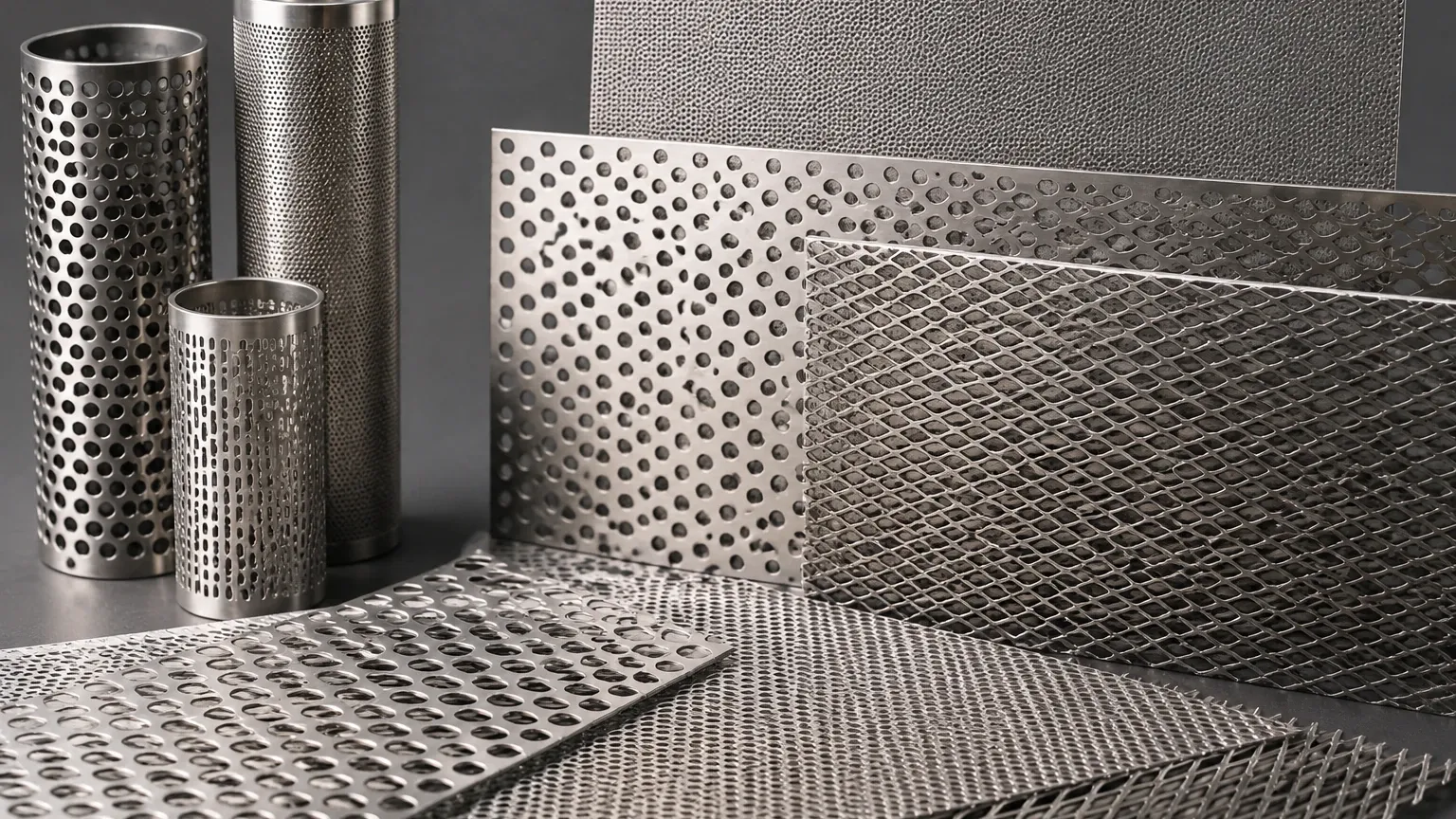
In industrial engineering, the management of airflow is a critical factor in maintaining equipment longevity, ensuring process safety, and optimizing environmental conditions. Perforated metal ventilation components serve as the primary interface between internal mechanical systems and the external environment. Whether used in chemical processing plants, electronic enclosures, or high-capacity HVAC systems, the selection of the correct Perforated & Expanded Metal solution requires a deep understanding of fluid dynamics, material science, and mechanical structural integrity.
Industrial ventilation is not merely about moving air; it is about controlling the velocity, volume, and pressure of that air while simultaneously providing a barrier against contaminants or physical hazards. For engineers and procurement specialists, the challenge lies in balancing the "Open Area" percentage with the structural requirements of the application.
Engineering Fundamentals: Open Area and Airflow Dynamics
The most significant technical specification in perforated metal ventilation is the percentage of open area. This figure represents the ratio of the area of the holes to the total area of the sheet. It directly dictates the pressure drop across the panel and the volume of air that can pass through at a given velocity.
Calculating Open Area
For standard 60-degree staggered round holes—the most common pattern for industrial ventilation—the open area is calculated using the formula:
POA = (D² × 90.69) / R²
Where:
* D = Hole diameter
* R = Center-to-center distance (pitch)
In a ventilation context, a higher open area reduces resistance (static pressure), allowing fans to operate more efficiently and reducing energy consumption. However, as the open area increases, the structural rigidity of the metal sheet decreases. Engineers must find the "sweet spot" where the metal is strong enough to withstand vibration and physical impact while remaining porous enough to meet CFM (Cubic Feet per Minute) requirements.
Airflow Resistance and Pressure Drop
When air passes through a perforated screen, it experiences a contraction of the flow stream, known as the vena contracta effect. This creates turbulence and a measurable drop in pressure. In high-velocity systems, such as those found in gas turbine intakes or industrial exhaust hoods, selecting a hole pattern that minimizes this turbulence is essential to prevent mechanical stress on the ventilation housing.
Material Selection for Industrial Ventilation
The environment in which the ventilation system operates dictates the material requirements. While carbon steel or aluminum may suffice for general commercial use, industrial applications often demand the superior properties of stainless steel.
Stainless Steel 304 vs. 316L
At Kaifil, the focus is frequently on stainless steel due to its durability and resistance to oxidation.
* Grade 304: The standard for most industrial ventilation. It offers excellent corrosion resistance and is suitable for food and beverage processing or general machinery enclosures.
* Grade 316L: Specified for highly corrosive environments, such as chemical processing plants, marine applications, or pharmaceutical cleanrooms. The addition of molybdenum provides enhanced resistance to chlorides and acidic vapors.
Thermal Stability
In applications involving high-temperature exhaust, such as industrial kilns or engine rooms, the thermal expansion coefficient of the metal must be considered. Stainless steel maintains its structural integrity at temperatures where aluminum would soften, ensuring that the ventilation gaps do not warp or close under thermal stress.
Hole Patterns and Their Impact on Performance
The geometry of the perforations significantly influences how air moves through the system. While aesthetic considerations may matter in architectural projects, industrial perforated metal ventilation focuses strictly on performance.
Round Holes (Staggered vs. Straight)
Round holes are the industrial standard because they offer the best balance of strength and open area. Staggered patterns (usually 60 degrees) provide the highest structural integrity because the metal "bridges" between holes are oriented to resist bending in multiple directions. Straight-row patterns are easier to align but are generally weaker and used only in specialized low-pressure applications.
Square and Slotted Holes
Square holes offer a higher open area (up to 95%) compared to round holes, making them ideal for high-volume airflow where structural strength is a secondary concern. Slotted holes are often used for directional airflow or when the ventilation panel must also act as a primary screen for elongated debris.
Expanded Metal Alternatives
While perforated metal is created by punching holes out of a solid sheet, expanded metal is produced by slitting and stretching the material. This creates a diamond-shaped opening. Expanded metal is often preferred for heavy-duty ventilation grates where high rigidity and a high strength-to-weight ratio are required, though its airflow characteristics are more complex due to the angled strands of the metal.
Integration with Filtration Systems
In many industrial processes, ventilation and filtration are inseparable. Perforated metal often serves as the outer support structure or the internal core for complex filter cartridges.
Pre-filtration and Debris Shielding
In HVAC systems for manufacturing facilities, perforated metal ventilation panels act as a first line of defense. They prevent large particulates, insects, or debris from entering the sensitive internal components of the air handling unit. By selecting a specific hole size, engineers can ensure that the ventilation system also provides a degree of coarse filtration, protecting secondary fine-mesh filters from premature clogging.
Support for Precision Media
Kaifil specializes in custom stainless steel filtration solutions where perforated metal provides the necessary mechanical backbone for wire mesh or fiber media. In high-pressure hydraulic or pneumatic ventilation, the perforated layer must withstand significant differential pressures without collapsing, ensuring that the airflow remains consistent even as the filter media accumulates contaminants.
Critical Considerations for OEM Customization
When sourcing perforated metal for ventilation projects, off-the-shelf solutions rarely meet the precise needs of specialized industrial equipment. Customization is often required across several dimensions:
1. Margins and Blank Areas: Standard perforated sheets often have holes running to the edge. For industrial ventilation panels, "safe sides" or unperforated margins are necessary for welding, bolting, or fitting into a frame. Specifying the exact margin width is crucial for a seamless installation.
2. Hole-to-Thickness Ratio: A general engineering rule is that the hole diameter should not be smaller than the material thickness. For example, if using a 2mm thick stainless steel sheet, the holes should ideally be 2mm or larger to ensure clean punches and prevent tool breakage during manufacturing.
3. Secondary Operations: Industrial ventilation panels often require deburring to ensure smooth airflow and prevent the accumulation of lint or fibers. Additionally, panels may need to be rolled, flanged, or welded into specific shapes to fit circular ductwork or specialized machinery housings.
Maintenance and Operational Life Cycle
The total cost of ownership for a ventilation system is heavily influenced by the ease of maintenance. Perforated metal is favored in industrial settings because it is exceptionally durable and easy to clean compared to plastic or woven synthetic vents.
Cleaning Protocols
In food processing or pharmaceutical environments, ventilation grilles must be sanitized regularly. Stainless steel perforated panels can withstand high-pressure washing, steam cleaning, and aggressive chemical sanitizers without degrading. For fine-mesh integrated filters, ultrasonic cleaning is often employed to remove deeply embedded particulates from the perforations.
Replacement Cycles
Unlike synthetic filters that require frequent replacement, a well-engineered stainless steel perforated vent can last the lifetime of the equipment. Replacement is typically only necessary if the metal suffers physical deformation, extreme chemical pitting, or if the process requirements change (e.g., a need for higher airflow volumes).
Technical Checklist for Engineering Procurement
Before finalizing a specification for perforated metal ventilation, engineering teams should confirm the following data points:
* Required CFM: What is the target airflow volume the system must support?
* Max Allowable Pressure Drop: What is the limit of the fan or blower's capacity?
* Environmental Exposure: Will the panel be exposed to salt spray, caustic chemicals, or extreme heat?
* Structural Load: Will the panel be stepped on, or must it support the weight of other components?
* Acoustic Requirements: Is there a need for the perforated pattern to assist in sound attenuation or noise reduction?
By addressing these factors during the design phase, manufacturers can deliver a filtration and ventilation solution that optimizes performance while minimizing long-term maintenance costs. Kaifil’s expertise in precision metal components ensures that every perforated and expanded metal product is manufactured to the tightest tolerances, meeting the rigorous demands of global industrial applications.
