


Price of Expanded Metal
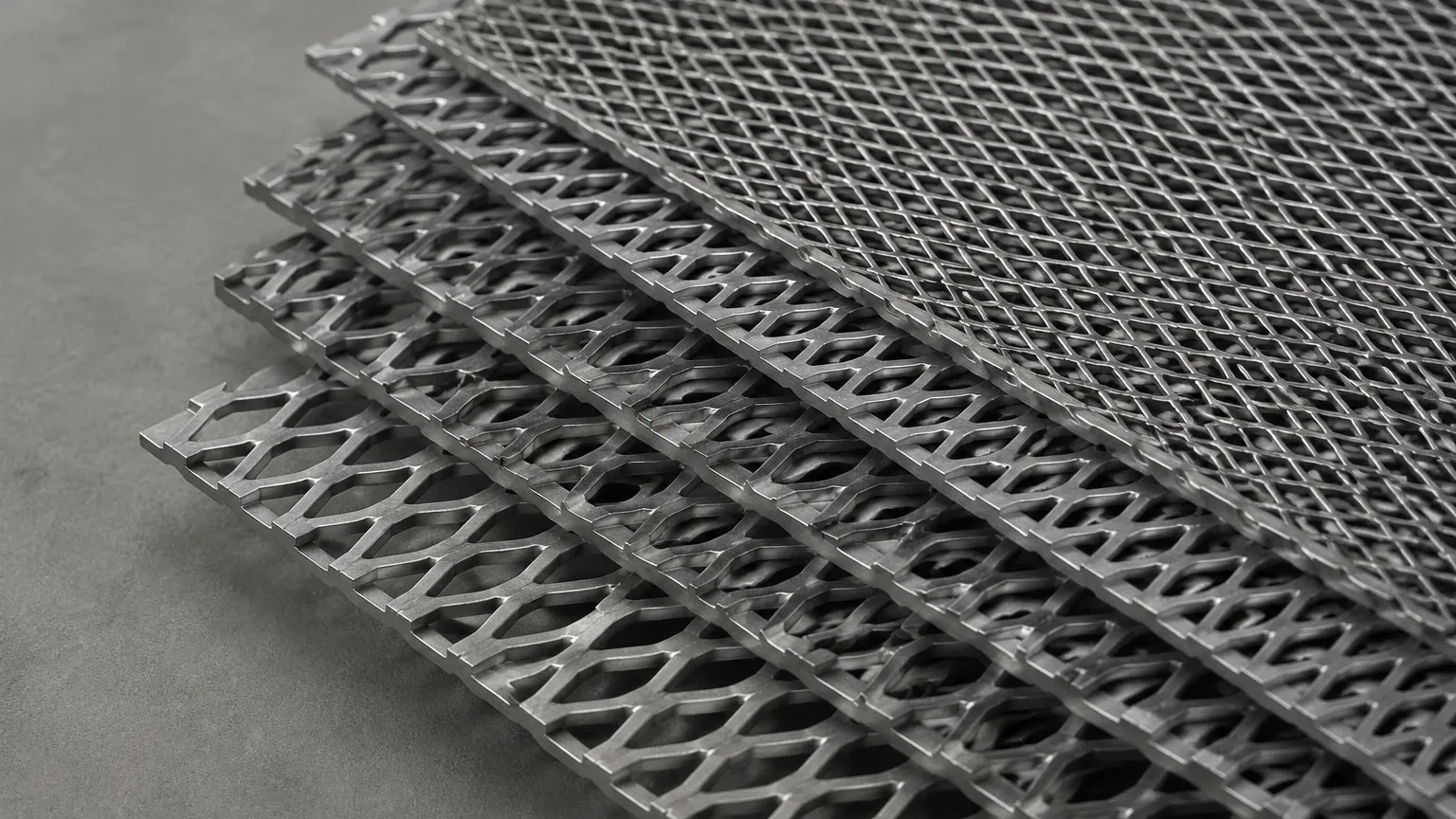
In the industrial filtration and structural support sectors, understanding the price of expanded metal is essential for accurate project budgeting and engineering design. Expanded metal is a versatile material produced by simultaneously slitting and stretching a solid sheet of metal, creating a diamond-shaped pattern of openings. Unlike perforated metal, which involves punching out material and creating waste, expanded metal is manufactured through a process that expands the original sheet, often resulting in a larger surface area with no material loss. This efficiency makes it a preferred choice for high-performance applications, but calculating the total cost involves analyzing several technical variables beyond the base material price.
For engineers and procurement specialists, the Perforated & Expanded Metal used in filtration systems must meet specific tolerances for mechanical strength, open area, and chemical resistance. This article examines the primary factors that influence the price of expanded metal, the technical trade-offs in material selection, and the long-term cost considerations for industrial environments.
Technical Factors Influencing the Price of Expanded Metal
The cost of expanded metal is not determined by weight alone. Several geometric and mechanical specifications dictate the complexity of the manufacturing process and, consequently, the final price.
1. Material Type and Grade
The most significant driver of cost is the raw material. In industrial filtration, stainless steel is the standard due to its corrosion resistance and durability. However, the specific grade chosen—such as SS 304, SS 316, or SS 316L—will significantly impact the price. SS 316L, which contains molybdenum for enhanced resistance to chlorides and acids, typically commands a higher price than SS 304. For specialized chemical processing or high-temperature applications, exotic alloys like Monel or Inconel may be required, further escalating the material component of the cost.
2. Sheet Thickness and Gauge
The thickness of the starting sheet (gauge) determines the structural integrity of the final product. Thicker materials require more force to slit and expand, which can increase machine wear and energy consumption. Conversely, extremely thin foils used in precision filtration may require specialized handling and slower production speeds to ensure uniformity, which also affects the price of expanded metal.
3. Strand Width and Opening Size (LWD and SWD)
Expanded metal is defined by its Long Way of Design (LWD) and Short Way of Design (SWD). The relationship between the strand width and the size of these openings determines the "open area" percentage. A smaller opening with wider strands requires more raw material per square foot of finished product, increasing the cost. Additionally, very small, precise openings require high-precision tooling and tighter quality control, which adds a premium to the manufacturing cost.
Standard vs. Flattened Expanded Metal
When evaluating the price of expanded metal, it is crucial to distinguish between standard (raised) and flattened varieties. These two types serve different functional purposes and involve different production stages.
Standard (Raised) Expanded Metal
Standard expanded metal comes off the machine with the strands and bonds set at a uniform angle to the plane of the sheet. This creates a three-dimensional texture that provides excellent grip and structural rigidity. Because it requires no additional processing after the expansion stage, standard expanded metal is generally the more cost-effective option for applications like support grates or coarse pre-filters.
Flattened Expanded Metal
Flattened expanded metal is produced by passing standard expanded metal through a cold-roll reducing mill. This process flattens the strands and bonds, creating a smooth, two-dimensional surface. While flattening increases the overall length of the sheet (sometimes by up to 5%), it adds an extra manufacturing step. The additional labor, equipment time, and the need to maintain precise thickness tolerances after rolling usually make flattened expanded metal more expensive than the standard version. In filtration, flattened metal is often preferred when it serves as a support layer for fine wire mesh, as the smooth surface prevents the mesh from being damaged or abraded during high-pressure cycles.
Customization and Engineering Requirements
For many B2B applications, off-the-shelf specifications are insufficient. Customization is a standard requirement in filtration, where the expanded metal must fit into specific housing units or withstand particular flow rates.
Custom Tooling and Die Costs
If a project requires a unique diamond shape or a specific open area percentage that is not covered by standard dies, custom tooling may be necessary. The cost of designing and fabricating a new expansion die is a significant upfront investment. However, for high-volume OEM production, this cost is often amortized over the life of the project, resulting in a lower per-unit price in the long run.
Secondary Operations
The price of expanded metal is also influenced by secondary processing requirements, such as:
* Shearing and Cutting: Precision cutting to specific dimensions or circular shapes for filter cartridges.
* Forming and Welding: Rolling the expanded metal into cylinders or welding it into support frames.
* Surface Finishing: Processes like passivation, electropolishing, or powder coating to enhance corrosion resistance or improve the aesthetic finish.
* Degreasing: Crucial for food, beverage, and pharmaceutical applications to ensure the material is free of manufacturing oils.
The Relationship Between Price and Filtration Performance
In the context of industrial filtration, the price of expanded metal should be viewed through the lens of performance efficiency. Selecting a lower-cost material or a less precise pattern may lead to higher operational costs.
Pressure Drop and Energy Consumption
The geometry of the expanded metal affects the flow characteristics of the fluid or gas being filtered. A poorly chosen pattern might result in a higher pressure drop across the filter. In large-scale industrial systems, even a slight increase in pressure drop requires pumps or compressors to work harder, leading to significantly higher energy costs over the system's lifespan. Investing in a more expensive, optimized expanded metal pattern can lead to substantial energy savings.
Structural Support and Mesh Integrity
In multi-layer filter cartridges, the expanded metal acts as the "backbone" for delicate wire mesh layers. If the expanded metal is too thin or lacks the necessary rigidity to save on initial costs, it may deform under high differential pressure. This deformation can cause the filtration mesh to tear, leading to system failure and costly downtime. Therefore, the structural integrity provided by high-quality expanded metal is a critical factor in reducing the total cost of ownership.
Market Dynamics and Procurement Strategies
The price of expanded metal is subject to fluctuations in the global metals market. Stainless steel prices, in particular, are influenced by the cost of raw materials like nickel, chromium, and iron ore, as well as energy costs and trade tariffs.
Volume Discounts and OEM Partnerships
For purchasing teams, volume is one of the most effective levers for managing the price of expanded metal. Manufacturers like Kaifil offer more competitive pricing for large-scale OEM orders where production runs can be optimized. Establishing a long-term partnership with a manufacturer allows for better forecasting and potentially locking in material prices to mitigate market volatility.
Quality Assurance and Certification
When comparing quotes, it is vital to ensure that the price includes necessary quality certifications. In industries like pharmaceuticals or water treatment, material traceability (MTRs) and compliance with standards such as ISO or FDA are non-negotiable. A lower price from a supplier that cannot provide documented proof of material grade or manufacturing tolerances often represents a high risk of project failure.
Evaluating Total Cost of Ownership (TCO)
When engineers evaluate the price of expanded metal, they must look beyond the invoice price and consider the Total Cost of Ownership. This includes:
1. Service Life: How long will the material last in its intended environment? A higher-priced SS 316L component that lasts five years is more cost-effective than an SS 304 component that fails after two years due to pitting corrosion.
2. Maintenance Requirements: Does the material facilitate easy cleaning? In food and beverage applications, smooth, flattened expanded metal may reduce cleaning time and chemical usage compared to raised patterns.
3. Replacement Frequency: The labor costs associated with replacing a failed filter often exceed the cost of the filter itself. Using durable, high-specification expanded metal minimizes these interventions.
Conclusion
Determining the price of expanded metal involves a complex calculation of material grades, geometric specifications, manufacturing methods, and secondary processing requirements. For industrial filtration applications, the focus should remain on how the material supports the overall efficiency and longevity of the filtration system. By understanding the technical drivers of cost—from the choice between standard and flattened patterns to the impact of LWD/SWD dimensions—engineers and procurement professionals can make informed decisions that balance initial expenditure with long-term operational reliability.
For those seeking precise components tailored to demanding industrial environments, reviewing technical options for Perforated & Expanded Metal is the first step toward optimizing filtration performance and achieving a favorable total cost of ownership.
