


Red Perforated Metal
In industrial engineering and facility management, the selection of materials often extends beyond mechanical strength to include visual communication and surface protection. Red perforated metal represents a specialized category of industrial components where the structural utility of perforated sheets is combined with high-visibility coatings. While the base material provides the necessary filtration, ventilation, or structural support, the red finish serves critical functions ranging from safety signaling to corrosion resistance in harsh environments.
For engineers and procurement professionals, specifying red perforated metal requires an understanding of both the underlying metal substrate and the chemical properties of the coating. This guide examines the technical considerations, manufacturing processes, and application-specific benefits of utilizing red-finished Perforated & Expanded Metal in industrial settings.
Understanding Red Perforated Metal in Industrial Applications
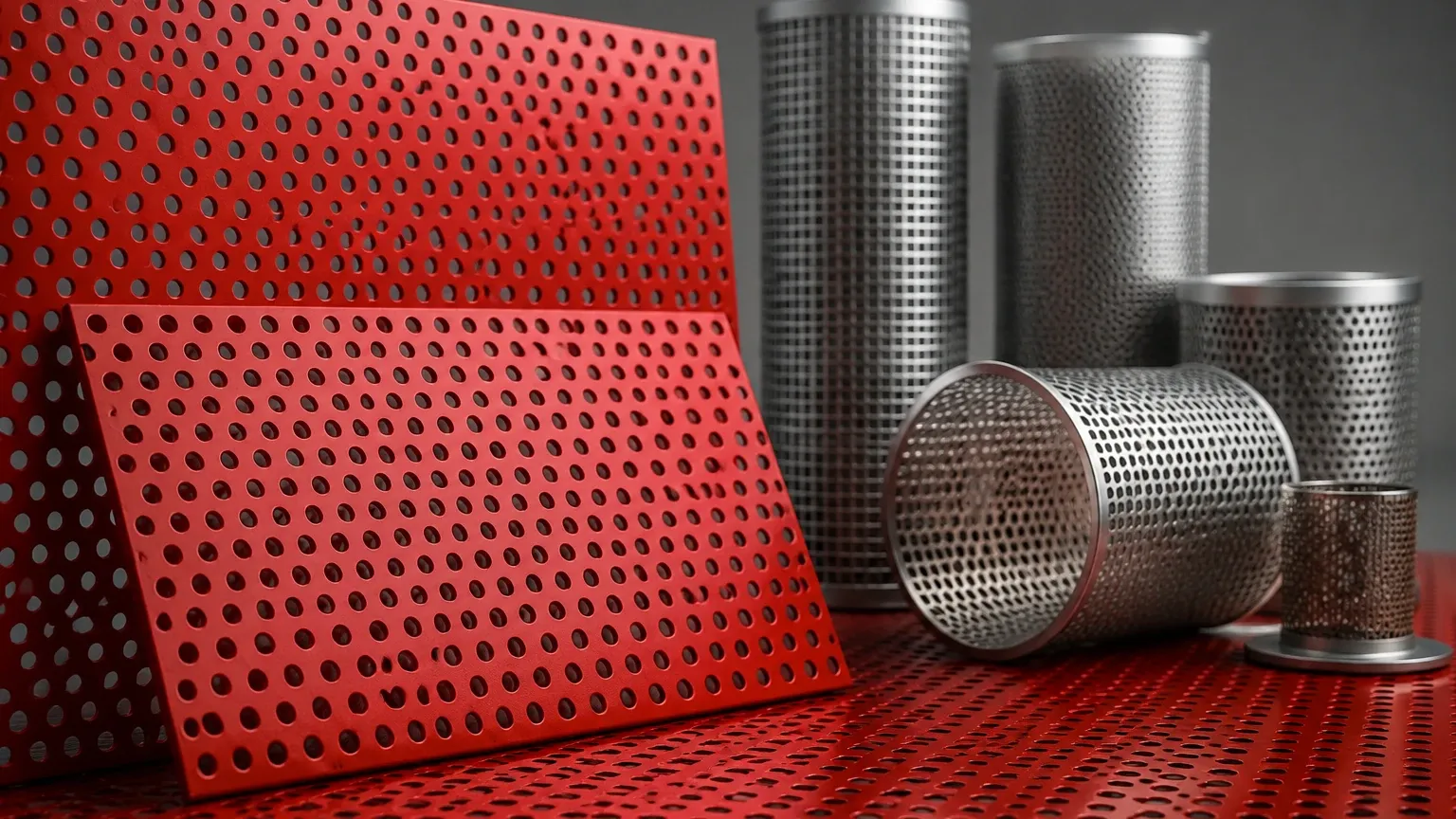
Red perforated metal is not a standalone material but rather a composite product. It begins as a standard metal sheet—typically stainless steel, aluminum, or carbon steel—that undergoes a precision punching process to create a specific pattern of holes. Following the perforation, a red surface treatment is applied, most commonly through powder coating, fluorocarbon (PVDF) painting, or anodizing.
In a B2B context, the color red is rarely chosen for purely aesthetic reasons. It is often dictated by safety standards, such as those set by OSHA (Occupational Safety and Health Administration), which mandate specific colors for hazard identification. Red is universally recognized as a signal for "Danger," "Stop," or "Fire Protection Equipment." Therefore, red perforated metal is frequently used in machine guards, fire suppression system enclosures, and emergency shut-off access panels.
Beyond safety, the red coating acts as a robust barrier against environmental stressors. In chemical processing plants or offshore facilities, the coating prevents the base metal from reacting with corrosive agents, thereby extending the service life of the filtration or ventilation component.
Base Material Selection for Coated Perforated Components
The performance of red perforated metal is fundamentally tied to its base substrate. The choice of metal depends on the operating temperature, mechanical load, and the specific corrosive elements present in the application environment.
Stainless Steel
Stainless steel (primarily Grades 304 and 316) is the preferred choice for high-performance filtration and chemical processing. When a red finish is applied to stainless steel, it is usually for identification or extra protection in extreme marine environments. Grade 316, containing molybdenum, offers superior resistance to chlorides, making it ideal for red-coated safety guards on oil rigs.
Aluminum
Aluminum is favored for its high strength-to-weight ratio and natural corrosion resistance. It is the primary candidate for anodizing, a process that integrates the red pigment into the metal's surface layer. Red perforated aluminum is common in HVAC systems and architectural applications where weight reduction is a priority without sacrificing durability.
Carbon Steel
For indoor applications or cost-sensitive projects, cold-rolled or hot-rolled carbon steel is used. Since carbon steel is highly susceptible to rust, the red powder coating serves a dual purpose: it provides the required visual signaling and acts as the primary defense against oxidation. This is a standard choice for internal warehouse safety partitions and equipment cages.
Coating Processes for Achieving Red Finishes
The method used to apply the red color significantly impacts the product's longevity and resistance to wear. Engineers must specify the coating process based on the expected mechanical and chemical exposure.
Powder Coating
This is the most common industrial method for producing red perforated metal. A dry powder consisting of resin and pigment is electrostatically applied to the metal and then cured under heat. This creates a hard, thick finish that is more resistant to chipping and scratching than liquid paint. Powder coating provides excellent coverage inside the perforated holes, ensuring that the edges—where corrosion often starts—are fully protected.
PVDF (Polyvinylidene Fluoride)
PVDF coatings are high-end resin-based finishes used primarily for outdoor or high-UV environments. If the red perforated metal will be exposed to constant sunlight or aggressive chemical vapors, PVDF is superior to standard powder coating. It maintains its color integrity (resisting fading) and structural bond for decades.
Anodizing (Aluminum Only)
Anodizing is an electrochemical process that converts the metal surface into a decorative, durable, corrosion-resistant, anodic oxide finish. Unlike paint or powder, the red dye is absorbed into the pores of the aluminum oxide layer. This results in a finish that cannot peel or flake, which is critical in food processing or cleanroom environments where coating particulate contamination is a risk.
Technical Specifications and Engineering Impact
When integrating red perforated metal into a system, engineers must account for how the perforation pattern and the coating thickness interact. The primary technical parameters include:
* Hole Pattern: Round holes are the most common for filtration and general guarding due to their structural integrity. Square or slotted holes may be used for specific airflow requirements or aesthetic branding.
* Pitch and Alignment: The distance between the centers of the holes (pitch) and whether they are staggered (60-degree) or straight determines the strength of the sheet. Staggered patterns are generally stronger and provide more uniform airflow.
* Open Area Percentage: This is the ratio of the area of the holes to the total area of the sheet. For red perforated metal used in ventilation, a high open area (50%+) is required. For safety guards, a lower open area may be specified to prevent finger ingress.
* Coating Build-Up: It is vital to remember that powder coating adds thickness (typically 2 to 4 mils). In high-precision filtration applications, this build-up can slightly reduce the effective hole diameter. Engineers must factor in these tolerances during the design phase to ensure the final product meets the required flow rates.
Key Benefits of Red Perforated Metal in B2B Environments
1. Enhanced Visibility and Safety Compliance
In industrial facilities, visual cues are essential for accident prevention. Red perforated metal is used to enclose high-voltage areas, rotating machinery, or hot pipes. The perforation allows for visual inspection of the equipment without removing the guard, while the red color serves as a constant warning to personnel.
2. Superior Corrosion Protection
The application of a high-quality red coating significantly inhibits the electrochemical reaction between the metal and its environment. This is particularly important for perforated materials because the punching process creates thousands of exposed edges. A professional coating process ensures these edges are sealed, preventing "edge creep" corrosion.
3. Material and Process Identification
In complex piping or filtration systems, color-coding is used to identify different stages of a process. Red perforated metal cartridges or screens might indicate a specific filtration grade (e.g., coarse vs. fine) or a specific fluid type (e.g., hazardous chemicals vs. water). This reduces the risk of human error during maintenance and replacement cycles.
4. Thermal Management and Airflow
Unlike solid red panels, red perforated metal allows for heat dissipation. In electronic enclosures or engine rooms, the material provides the necessary safety barrier while allowing air to circulate, preventing the overheating of sensitive components.
Critical Evaluation Criteria for Purchasing and OEM
Before finalizing an order for red perforated metal, purchasing teams and engineers should confirm the following technical details with the manufacturer:
* RAL Color Matching: "Red" is a broad term. Specifying a RAL code (such as RAL 3000 Flame Red or RAL 3020 Traffic Red) ensures consistency across different batches and different components of the project.
* Environment Exposure: Will the material be exposed to UV light, salt spray, or specific acids? This determines whether a standard polyester powder or a high-durability PVDF coating is required.
* Tolerance Requirements: If the perforated metal must fit into a precision-machined frame, the thickness of the coating must be communicated to the fabricator to ensure the final dimensions remain within tolerance.
* Edge Requirements: Specify whether the sheet requires "safe edges" (margins without holes) to facilitate welding or bolting without damaging the red finish.
Installation and Maintenance Guidelines
To maintain the integrity of red perforated metal, specific installation and maintenance protocols should be followed. During installation, it is critical to use fasteners that are compatible with the base metal to prevent galvanic corrosion. For example, stainless steel bolts should be used with red-coated stainless steel sheets. If the coating is scratched during installation, it should be touched up immediately with a matching zinc-rich primer and red topcoat to prevent the spread of rust.
Maintenance involves regular cleaning with mild detergents. Harsh abrasive cleaners should be avoided, as they can dull the red finish and eventually wear down the protective coating. Periodic inspections should focus on the edges of the perforations to ensure the coating remains intact and continues to provide full protection to the substrate.
Conclusion
Red perforated metal is a high-utility material that bridges the gap between structural engineering and industrial safety. By selecting the appropriate base metal and coating technology, engineers can create components that are not only durable and functional but also integral to the facility's safety and organizational systems. Whether used for machine guarding, specialized filtration, or architectural features, the combination of Perforated & Expanded Metal with a precision red finish provides a reliable solution for demanding industrial environments. Working closely with a manufacturer like Kaifil ensures that the technical specifications—from hole diameter to coating chemistry—are optimized for the specific rigors of the application.
