


Vintage Perforated Metal
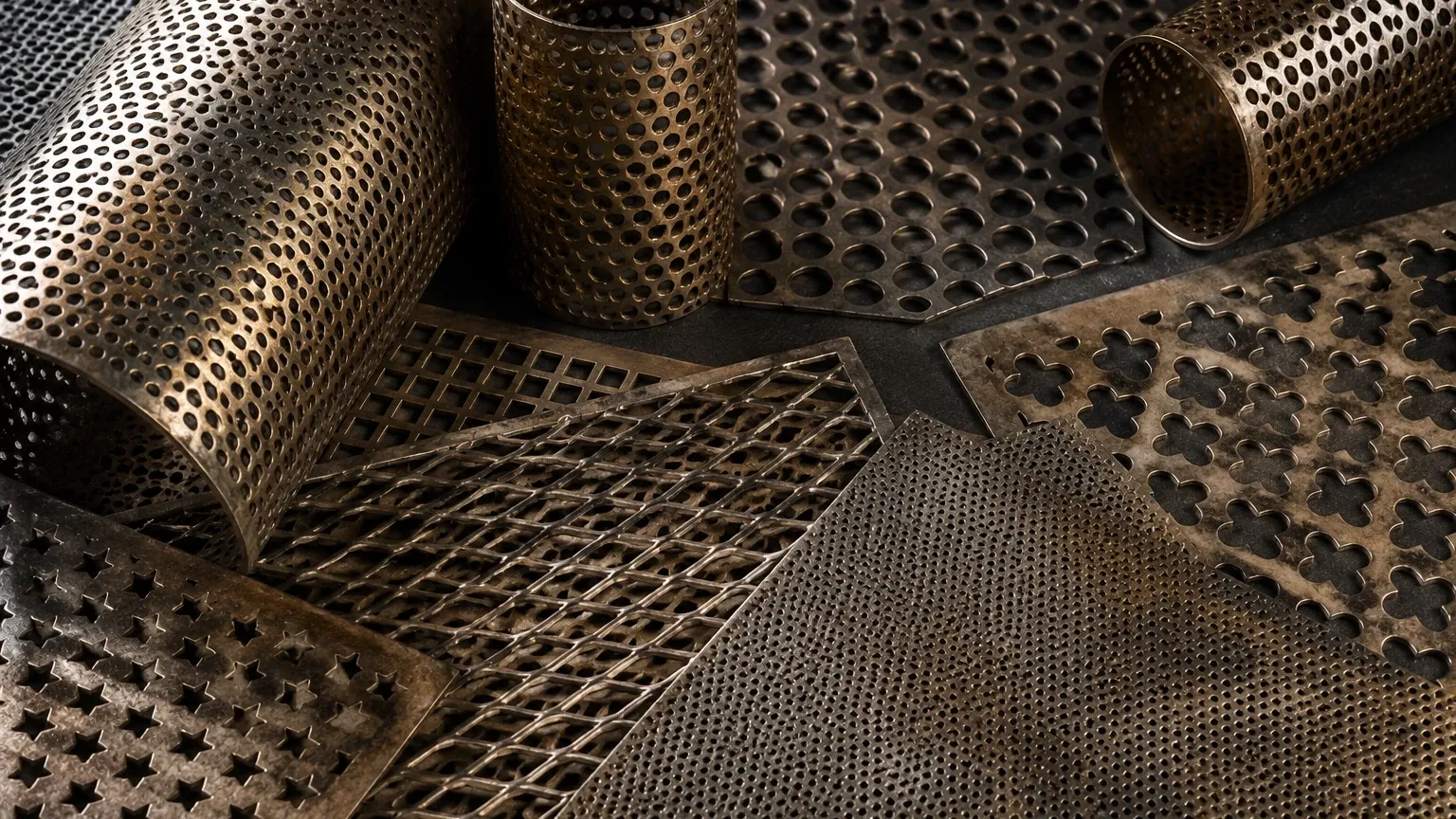
In the realm of industrial design and architectural engineering, the term "vintage" does not merely refer to aged materials, but rather to a specific aesthetic and functional design language that prioritizes timeless patterns and robust material integrity. Vintage perforated metal represents a unique intersection where historical design patterns meet modern manufacturing precision. For engineers and procurement specialists, selecting these materials requires a deep understanding of how traditional hole patterns—such as staggered round, hexagonal, or decorative geometric shapes—interact with contemporary performance standards for filtration, ventilation, and structural support.
While modern industrial applications often lean toward high-efficiency, minimalist designs, there is a significant B2B demand for vintage-inspired perforated and expanded metal in sectors ranging from high-end food and beverage equipment to architectural acoustic panels and specialized industrial enclosures. Achieving the "vintage" look without sacrificing the mechanical properties required for demanding environments is a technical challenge that necessitates precise material selection and manufacturing expertise.
The Intersection of Industrial Utility and Vintage Aesthetics
Vintage perforated metal is often characterized by specific hole arrangements and open-area ratios that were prevalent in early 20th-century industrial equipment. These designs often utilized larger margins, specific staggered patterns, and heavier gauges of metal than what is typically seen in mass-produced, lightweight modern alternatives.
From a technical standpoint, the appeal of these materials lies in their ability to provide a distinct visual identity while performing critical mechanical functions. In industrial settings, a vintage-style screen might be used to protect sensitive machinery components while allowing for heat dissipation. The choice of a "vintage" pattern is frequently driven by the need to match existing historical infrastructure or to create a specific brand aesthetic in commercial equipment, such as professional-grade coffee roasters or pharmaceutical laboratory cabinets.
However, the term "vintage" can sometimes be a misnomer in a B2B context. It refers to the *style* of the perforation rather than the age of the metal itself. Modern manufacturers like Kaifil utilize advanced CNC punching and laser cutting technologies to replicate these classic designs in high-grade stainless steel, ensuring that the final product meets modern tolerances and chemical resistance requirements.
Technical Characteristics of Perforated & Expanded Metal
Understanding the distinction between Perforated & Expanded Metal is essential for any engineering project involving vintage aesthetics. While both provide open area for flow and visibility, their manufacturing processes and structural behaviors differ significantly.
Perforated Metal
Perforated metal is created by punching a series of holes into a solid metal sheet. For vintage applications, this often involves round, square, or slotted holes in a staggered or straight-line pattern. The primary advantage of perforated metal is its predictability; the open area can be calculated with extreme precision, which is vital for applications involving fluid dynamics or air filtration. Modern CNC equipment allows for the creation of intricate "vintage" patterns—such as cloverleaf or Grecian designs—that maintain consistent structural strength across the entire panel.
Expanded Metal
Expanded metal is produced by simultaneously slitting and stretching the metal sheet. This process creates a diamond-shaped opening that is inherently rigid because it is made from a single piece of material without any joins or welds. In a vintage context, expanded metal is often used for heavy-duty walkways, safety guards, and decorative facades. Because no material is lost during the expansion process, it is often a more cost-effective and environmentally friendly option than perforation, though it offers less flexibility in terms of custom hole shapes.
Material Selection: Balancing Form and Function
When specifying vintage perforated metal, the choice of alloy is the most critical factor in determining the longevity and performance of the component. While historical perforated metals were often made of carbon steel or brass, modern industrial applications almost exclusively demand stainless steel for its superior corrosion resistance and mechanical strength.
Stainless Steel 304 vs. 316
* Grade 304: This is the standard "18/8" stainless steel and is suitable for most indoor and mildly corrosive outdoor applications. It provides excellent forming and welding characteristics, making it ideal for custom vintage patterns.
* Grade 316: For environments involving chemical processing, marine exposure, or high-salinity conditions, Grade 316 is the preferred choice. The addition of molybdenum enhances its resistance to pitting and crevice corrosion, ensuring that the vintage aesthetic is not compromised by rust or degradation over time.
In some specialized B2B applications, copper or brass alloys are selected for their natural patina. However, for industrial filtration and structural components, stainless steel remains the authoritative choice due to its ability to withstand high pressures and temperatures without losing its structural profile.
Engineering Considerations: Open Area and Structural Integrity
A common challenge when working with vintage perforated metal patterns is balancing the desired "look" with the required "open area." The open area percentage determines how much air, light, or liquid can pass through the screen.
Calculating Open Area
For a standard staggered round hole pattern, the formula for open area is:
* Open Area % = (D² × 90.69) / R²
* *D = Hole Diameter*
* *R = Center-to-Center Distance (Pitch)*
In vintage designs, the pitch is often wider than in modern high-efficiency filters. This results in a lower open area, which increases the structural strength of the sheet but also increases the pressure drop across the filter or screen. Engineers must confirm that the selected vintage pattern will not impede flow rates beyond the tolerances of the system. If a specific aesthetic requires a low open area, the gauge (thickness) of the metal may need to be adjusted to compensate for the reduced transparency or increased weight.
Edge Margins and Blank Areas
Unlike standard off-the-shelf perforated sheets, custom industrial components often require specific "margins"—solid areas around the edges of the perforated pattern. This is crucial for welding the component into a frame or housing. When ordering vintage perforated metal, it is vital to specify the width of these margins on all four sides to ensure a proper fit during assembly.
Applications of Vintage Perforated Metal in Modern Industry
While the term suggests a focus on the past, vintage-style perforated components are widely used in several cutting-edge industrial sectors:
1. Food and Beverage Processing: Perforated screens are used in grain drying, malt kilning, and fruit processing. Vintage patterns are often selected for equipment that is visible to the public (such as in microbreweries or artisanal coffee roasteries) where the equipment's appearance is part of the brand's value proposition.
2. Architectural Filtration and Acoustics: In modern office buildings and industrial facilities, perforated metal panels serve as acoustic dampers. Vintage patterns provide a sophisticated aesthetic while the holes allow sound waves to pass into sound-absorbing material behind the metal.
3. Chemical and Pharmaceutical Housing: Protection for sensitive instruments often requires ventilated covers. A vintage perforated pattern can provide the necessary airflow while maintaining a robust, tamper-resistant barrier.
4. Custom Machinery Guards: For high-end machinery manufacturers, the use of unique perforated patterns can serve as a signature design element, distinguishing their products from competitors while meeting OSHA safety standards.
Procurement and Customization: What Engineers Need to Confirm
Before finalizing a purchase order for vintage perforated metal, technical professionals should evaluate several key criteria to avoid common pitfalls in the supply chain.
Quality Control and Tolerances
Industrial-grade perforation requires strict adherence to flatness and hole-size tolerances. A "vintage" look should never be an excuse for poor craftsmanship. Ensure that the manufacturer can provide certifications for material grade and that the punching process does not leave burrs or sharp edges that could trap contaminants or cause injury during maintenance.
Surface Finishes
Depending on the application, the metal may require specific surface treatments. For stainless steel, options include:
* 2B Finish: A smooth, moderately reflective cold-rolled finish.
* No. 4 Finish: A brushed finish that is excellent for hiding fingerprints and minor scratches, commonly used in food service.
* Electropolishing: A chemical process that removes a fine layer of material, resulting in a high-luster, ultra-clean surface that is ideal for pharmaceutical applications.
Total Cost of Ownership (TCO)
While custom vintage patterns may have a higher initial cost than standard industrial patterns due to tooling requirements, their durability and aesthetic longevity often result in a lower TCO. Stainless steel components require minimal maintenance and are fully recyclable at the end of their service life, aligning with modern sustainability goals.
Conclusion
Vintage perforated metal is a sophisticated choice for B2B applications that demand a balance of historical design and modern performance. By focusing on material quality, precise engineering calculations for open area, and clear communication regarding margins and finishes, engineers can successfully integrate these timeless patterns into contemporary industrial systems. Whether for filtration, protection, or architectural utility, the right perforated or expanded metal solution provides a durable, functional, and visually compelling component for any professional project.
