


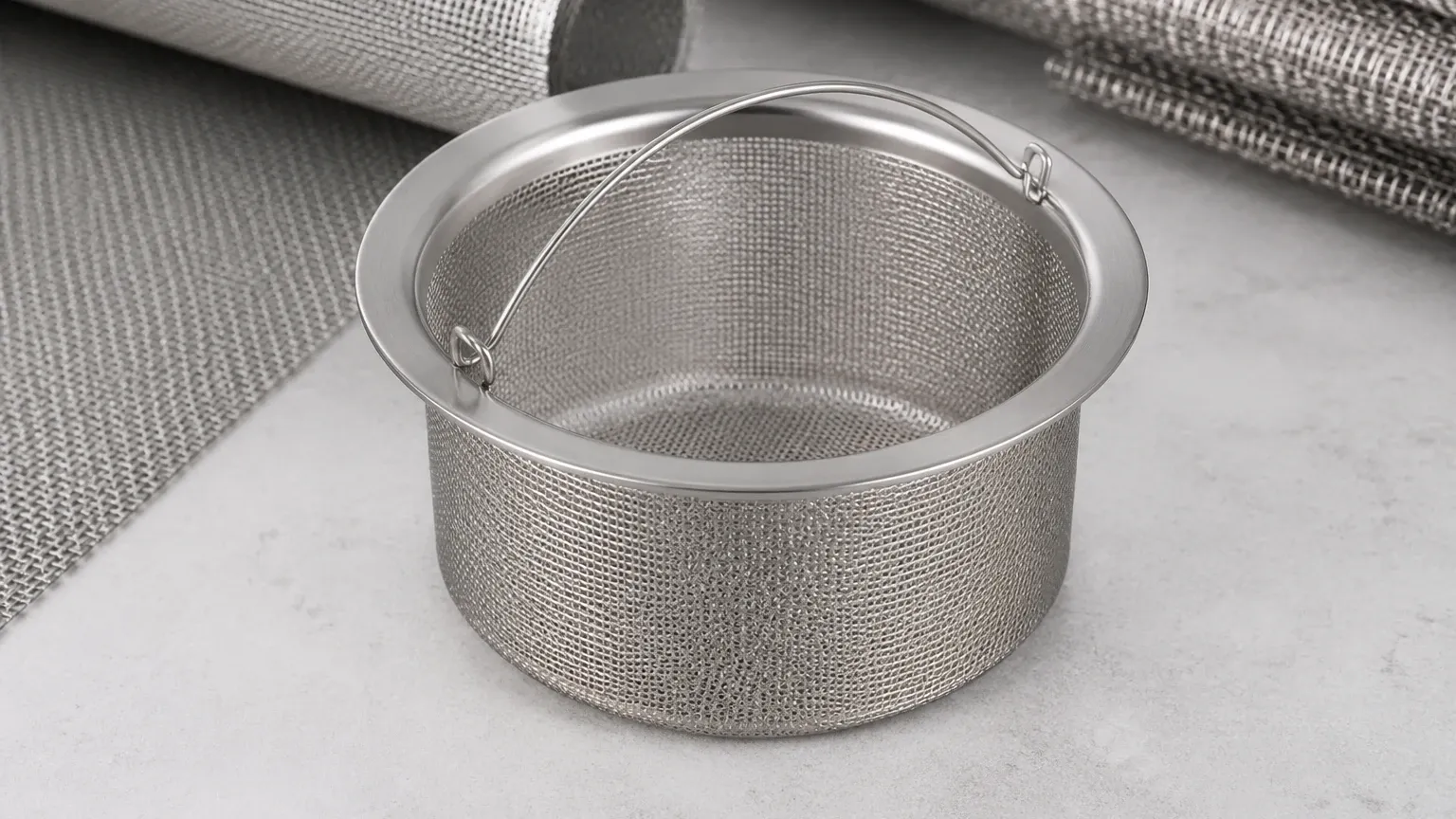
7 Inch Strainer Basket
In industrial fluid processing, the efficiency of a filtration system often hinges on the integrity and precision of its internal components. Among these, the 7 inch strainer basket serves as a critical element in protecting downstream equipment from particulate contamination. Designed to fit within standard strainer housings, these baskets are engineered to handle high flow rates while maintaining structural stability under varying pressure conditions. For engineers and procurement specialists, understanding the technical nuances of these components is essential for optimizing system uptime and reducing the total cost of ownership.
The Role of 7 Inch Strainer Baskets in Industrial Filtration
A 7 inch strainer basket is typically defined by its nominal diameter, designed to interface with specific simplex or duplex strainer housings. These components function as the primary barrier against debris, scale, and other solid contaminants in liquid piping systems. Unlike disposable filter cartridges, industrial Strainers & Baskets are generally designed for cleaning and reuse, making them a sustainable choice for high-volume applications.
The "7-inch" designation usually refers to the diameter of the basket flange or the body itself, depending on the manufacturer's housing standards. These baskets are widely used in sectors such as chemical processing, water treatment, and oil and gas, where they protect pumps, valves, and heat exchangers from mechanical damage. By capturing solids before they reach sensitive components, the strainer basket prevents costly repairs and unscheduled maintenance cycles.
Material Engineering: Stainless Steel Grades and Durability
The performance of a 7 inch strainer basket is largely dictated by its material of construction. In industrial environments, stainless steel is the gold standard due to its mechanical strength and resistance to corrosion. Selecting the correct grade is vital for ensuring compatibility with the process fluid.
Stainless Steel 304
This is the most common material for general-purpose industrial applications. It provides excellent resistance to atmospheric corrosion and many organic and inorganic chemicals. It is suitable for water treatment, food and beverage processing, and general manufacturing where extreme chemical resistance is not required.
Stainless Steel 316 and 316L
For more demanding environments, such as those involving chlorides, acids, or high-temperature steam, SS316 is preferred. The addition of molybdenum enhances its resistance to pitting and crevice corrosion. SS316L (low carbon) is often specified for pharmaceutical and high-purity chemical applications where welding is required, as it prevents carbide precipitation that can lead to intergranular corrosion.
Specialized Alloys
In extreme cases involving highly corrosive media like seawater or concentrated sulfuric acid, manufacturers like Kaifil can provide baskets made from specialized alloys like Monel, Hastelloy, or Duplex stainless steel. These materials ensure that the basket maintains its structural integrity even when exposed to aggressive chemical reactions.
Filtration Media: Perforated Metal vs. Wire Mesh Linings
A 7 inch strainer basket can be constructed using different types of filtration media, depending on the required level of filtration (micron rating) and the nature of the solids being removed.
Perforated Metal Baskets
These are the most robust options, constructed from a single sheet of metal with punched holes. They are ideal for "coarse" filtration, where the goal is to remove large debris like stones, bolts, or pipe scale. Common perforation sizes range from 1/32 inch to 1/2 inch. The strength of the perforated sheet allows the basket to withstand significant differential pressure without collapsing.
Wire Mesh Lined Baskets
When finer filtration is required—typically ranging from 20 mesh down to 400 mesh (approximately 37 microns)—a perforated basket is used as a support structure for a fine stainless steel wire mesh lining. The wire mesh provides the necessary filtration accuracy, while the perforated outer shell provides the mechanical strength to resist the force of the fluid flow. This dual-layer construction is essential for protecting precision instruments and spray nozzles.
Critical Performance Metrics: Flow Rate and Differential Pressure
When specifying a 7 inch strainer basket, engineers must evaluate the relationship between flow rate, viscosity, and differential pressure (ΔP). The goal is to achieve the desired filtration efficiency without creating an excessive bottleneck in the system.
Open Area Ratio
The "Open Area" of a basket refers to the total area of the holes or mesh openings relative to the total surface area of the basket. A higher open area ratio generally results in a lower initial pressure drop. For industrial applications, a ratio of at least 6:1 (the area of the basket openings compared to the cross-sectional area of the inlet pipe) is often recommended to ensure long run times between cleanings.
Pressure Drop Considerations
As the basket accumulates debris, the available open area decreases, leading to an increase in differential pressure. If the ΔP exceeds the basket's structural limits, the basket may deform or "burst," allowing contaminants to bypass the filter and enter the downstream system. Monitoring differential pressure via gauges is standard practice to determine when a basket requires cleaning or replacement.
Design Variations and Customization for Specific Applications
While standard 7 inch strainer baskets are available, many industrial processes require customized designs to meet specific operational constraints. Customization ensures that the basket fits perfectly within the existing housing and performs optimally under unique conditions.
* Flange and Handle Configurations: The top flange must provide a secure seal against the housing seat to prevent fluid bypass. Handles can be customized (e.g., slant handles, lift-out bails) to facilitate easy removal, especially in deep housings or when handling heavy, debris-laden baskets.
* Reinforced Bottoms: For high-velocity systems, the bottom of the basket is often reinforced with a solid plate or additional bracing to prevent the "oil-can" effect, where the metal flexes and eventually cracks due to fatigue.
* Magnetic Inserts: In applications involving metal machining or iron-rich water, magnetic rods can be installed within the basket to capture fine ferrous particles that might otherwise pass through the mesh.
* Custom Heights: Not all "7-inch" housings have the same depth. Tailoring the basket height to the specific housing ensures maximum filtration surface area and prevents the basket from shifting during operation.
Maintenance, Cleaning, and Replacement Protocols
One of the primary advantages of stainless steel strainer baskets is their cleanability. However, improper maintenance can lead to premature failure or reduced filtration efficiency.
Cleaning Procedures
Baskets should be cleaned when the differential pressure reaches a pre-determined limit (often 5-10 psi above the clean pressure drop). Cleaning methods include back-flushing with water or air, ultrasonic cleaning for fine meshes, or chemical soaking to remove stubborn scales. It is critical to avoid using abrasive tools that could damage the wire mesh or enlarge the perforations.
Inspection Points
During every cleaning cycle, the basket should be inspected for:
1. Mechanical Damage: Look for tears in the mesh, broken welds, or deformation of the flange.
2. Corrosion: Check for signs of pitting or thinning of the metal walls.
3. Sealing Integrity: Ensure the flange is flat and free of debris to maintain a tight seal within the housing.
When to Replace
While durable, strainer baskets are wear items. If the mesh is frayed, the structural support is compromised, or the basket can no longer be cleaned to an acceptable baseline pressure drop, it must be replaced. Keeping spare 7 inch strainer baskets on-site is a standard risk-mitigation strategy to avoid downtime during unexpected failures.
Procurement Considerations and Technical Specifications
When ordering a 7 inch strainer basket, providing precise technical data to the manufacturer ensures the component will perform as expected. Buyers should confirm the following specifications:
* Exact Dimensions: Flange diameter, basket body diameter, and overall height.
* Material Grade: Specify SS304, SS316, or other alloys based on chemical compatibility.
* Filtration Requirement: Define the perforation size or mesh count required for the application.
* Operating Conditions: Maximum flow rate, operating pressure, and maximum allowable differential pressure.
* Fluid Properties: Viscosity, temperature, and the nature of the solids (e.g., abrasive, fibrous, or gelatinous).
By focusing on these technical details, engineering and purchasing teams can select a 7 inch strainer basket that provides reliable protection and long-term durability. Whether for a new installation or as a replacement part, high-quality stainless steel baskets are essential for maintaining the efficiency and safety of industrial fluid systems. For more information on custom designs and material options, technical teams can Review product options and application support to find the optimal solution for their specific filtration challenges.
