


Are Strainers Dishwasher Safe
In industrial and commercial environments, the maintenance of filtration components is a critical factor in operational efficiency and equipment longevity. When engineers and facility managers ask, "are strainers dishwasher safe," the answer is rarely a simple yes or no. In a B2B context, "dishwashing" typically refers to automated part washers or high-temperature sanitation cycles used in food processing, pharmaceutical manufacturing, and chemical laboratories.
Determining the suitability of Strainers & Baskets for automated cleaning requires a deep dive into material science, mechanical design, and the chemical nature of industrial detergents. This guide explores the technical boundaries of automated cleaning for industrial filtration components and provides actionable criteria for selecting the right equipment for demanding environments.
Understanding Material Compatibility in Automated Cleaning
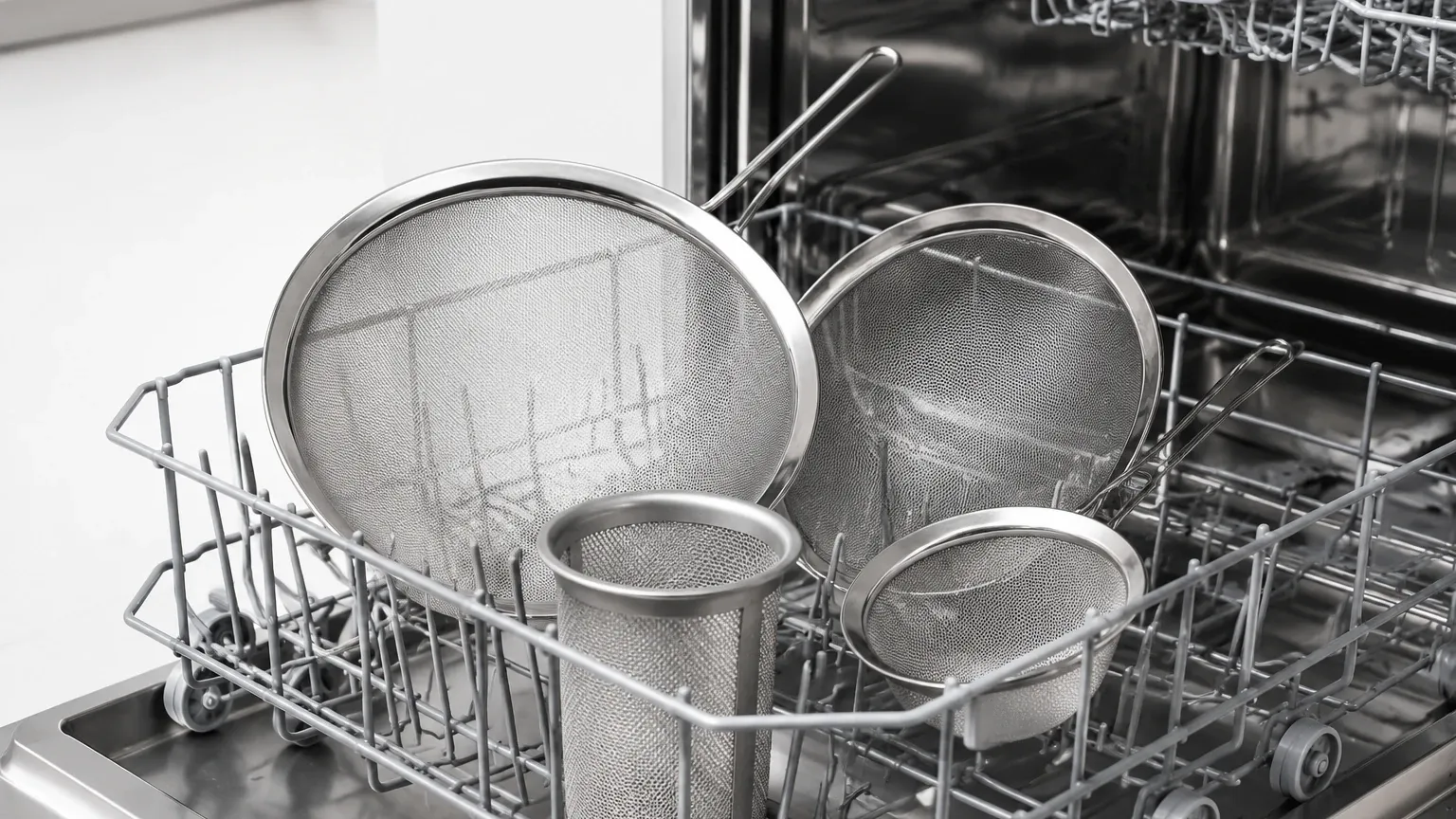
The primary factor in determining if a strainer is dishwasher safe is its material composition. Industrial strainers are subjected to significantly more aggressive environments than domestic kitchenware, and the cleaning process must not compromise the integrity of the filter media.
Stainless Steel Grades: 304 vs. 316
Most professional-grade filtration components are manufactured from stainless steel. While both 304 and 316 grades are generally considered dishwasher safe, their performance varies under chemical stress.
* Type 304 Stainless Steel: This is the standard grade for many industrial applications. It offers good corrosion resistance and can withstand the high temperatures of a standard industrial washer (typically 150°F to 180°F). However, 304 is susceptible to pitting and corrosion when exposed to high concentrations of chlorides, which are often found in heavy-duty industrial detergents.
* Type 316 Stainless Steel: Containing molybdenum, 316 stainless steel provides superior resistance to chlorides and acids. For applications in marine environments or chemical processing where aggressive cleaning agents are used, 316 is the preferred choice for automated washing. It maintains its surface finish and structural integrity even through thousands of high-heat cycles.
Plastics and Synthetic Components
In some low-pressure or specialized applications, strainers may incorporate plastic frames or synthetic mesh (such as nylon or polyester). These materials are often not dishwasher safe in an industrial capacity. High temperatures can lead to thermal deformation, altering the micron rating of the mesh or causing the frame to warp. Furthermore, certain plastics can leach chemicals or become brittle when exposed to the alkaline surfactants used in commercial washers.
Mechanical Integrity and the Risks of High-Pressure Washing
Beyond material chemistry, the physical construction of the strainer determines its resilience during automated cleaning. Industrial dishwashers and part washers use high-pressure spray arms to dislodge debris. While effective for flat surfaces, this pressure can pose risks to delicate filtration structures.
Mesh Fatigue and Displacement
Fine wire mesh strainers are particularly vulnerable. The force of the water jets can cause "mesh migration" or slight shifts in the weave of the wire. If the wires move, the filtration accuracy (micron rating) is compromised. In high-precision industries like pharmaceutical manufacturing, even a microscopic change in the pore size can lead to batch failure. Therefore, fine mesh strainers often require specialized cleaning racks or manual cleaning protocols rather than standard automated washing.
Thermal Stress and Weld Fatigue
Industrial cleaning cycles involve rapid heating and cooling. This thermal cycling causes materials to expand and contract. In a basket strainer, the points of highest stress are the spot welds or seams where the mesh is joined to the support frame. Over time, repeated thermal shock can lead to weld fatigue, resulting in structural failure or bypass—where unfiltered fluid escapes through gaps in the assembly.
Why "Dishwasher Safe" Might Not Mean "Clean"
For many B2B applications, the goal of cleaning is not just the removal of visible debris but the achievement of a specific level of hygiene or the prevention of cross-contamination. Simply being "dishwasher safe" does not guarantee that a strainer is effectively cleaned.
The Problem of Blind Spots
Strainers and baskets are designed to trap particles. In complex geometries—such as pleated filter cartridges or multi-layered mesh baskets—automated spray arms may not be able to reach every crevice. Debris can become lodged in the "dead zones" of the strainer, where it may harden during the drying cycle. This creates a bio-burden risk in food and beverage applications and can lead to pressure drops in hydraulic systems.
Detergent Residue and Passivation
Industrial detergents are formulated to be highly alkaline or acidic to break down tough contaminants. If the rinse cycle of the automated washer is insufficient, detergent residue can remain on the mesh. For stainless steel components, improper cleaning can also strip the passive oxide layer that protects the metal from rust. In such cases, the cleaning process itself accelerates the degradation of the component.
Industrial Cleaning Protocols for Strainers and Baskets
To ensure the longevity of Strainers & Baskets, many facilities move beyond standard dishwashing in favor of more controlled cleaning methods. Understanding these alternatives helps in selecting the right filtration product for your facility.
Ultrasonic Cleaning
Ultrasonic cleaning is often the superior choice for complex metal strainers. By using high-frequency sound waves to create cavitation bubbles in a cleaning solution, this method can reach deep into the mesh pores and intricate folds of a basket. It is far less mechanically stressful than high-pressure water jets and is highly effective at removing microscopic contaminants without risking mesh displacement.
Clean-in-Place (CIP) Systems
In many large-scale industrial operations, strainers are cleaned without being removed from the piping system. CIP systems circulate cleaning agents and rinses through the equipment at specific temperatures and flow rates. When designing a system for CIP, engineers must ensure the strainer materials are compatible with the specific chemicals used in the CIP cycle, such as caustic soda or phosphoric acid.
Backwashing
For continuous operations, self-cleaning strainers use a backwash mechanism. This involves reversing the flow of the fluid to flush contaminants off the surface of the filter media. While this reduces the need for frequent removal and automated washing, the strainer must be robust enough to handle the pressure reversal without collapsing.
Factors to Confirm Before Purchasing Industrial Strainers
When procuring filtration solutions, it is essential to look past the "dishwasher safe" label and evaluate the component based on its intended cleaning regimen. Engineers should confirm the following technical specifications with their supplier:
1. Maximum Operating and Cleaning Temperature: Ensure the strainer can withstand the peak temperature of your sanitation cycle without losing structural tension.
2. Chemical Resistance Profile: Verify that the metal grade and any gaskets or seals (such as EPDM, Viton, or PTFE) are compatible with your facility’s cleaning agents.
3. Construction Method: For automated washing, TIG-welded or plasma-welded seams are generally more durable than simple spot welds or mechanical crimping.
4. Surface Finish: A smoother surface finish (measured in Ra) is easier to clean and less likely to harbor bacteria or persistent residues. Electropolished stainless steel is often recommended for high-hygiene environments.
5. Micron Rating Stability: Ask the manufacturer if the mesh is "locked" or sintered to prevent wire movement during high-pressure cleaning.
Conclusion: Selecting for Durability and Hygiene
While high-quality stainless steel strainers are technically dishwasher safe, the decision to use automated cleaning should be based on a thorough risk assessment of the specific application. For coarse filtration where structural tolerances are wide, standard industrial washers are an efficient way to maintain equipment. However, for precision filtration where integrity and hygiene are paramount, more specialized cleaning protocols may be required.
By focusing on robust materials like 316 stainless steel and advanced construction techniques, Kaifil provides filtration solutions designed to withstand the rigors of industrial maintenance. Whether your process involves high-heat sanitation, aggressive chemical cleaning, or mechanical scrubbing, selecting the right grade of equipment ensures that your filtration system remains a reliable asset rather than a maintenance bottleneck.
When evaluating your next purchase of Strainers & Baskets, consider not just the filtration performance, but the total cost of ownership, which includes the ease and safety of the cleaning process. A strainer that can survive thousands of cleaning cycles without degradation is an investment in the long-term stability of your production line.
