


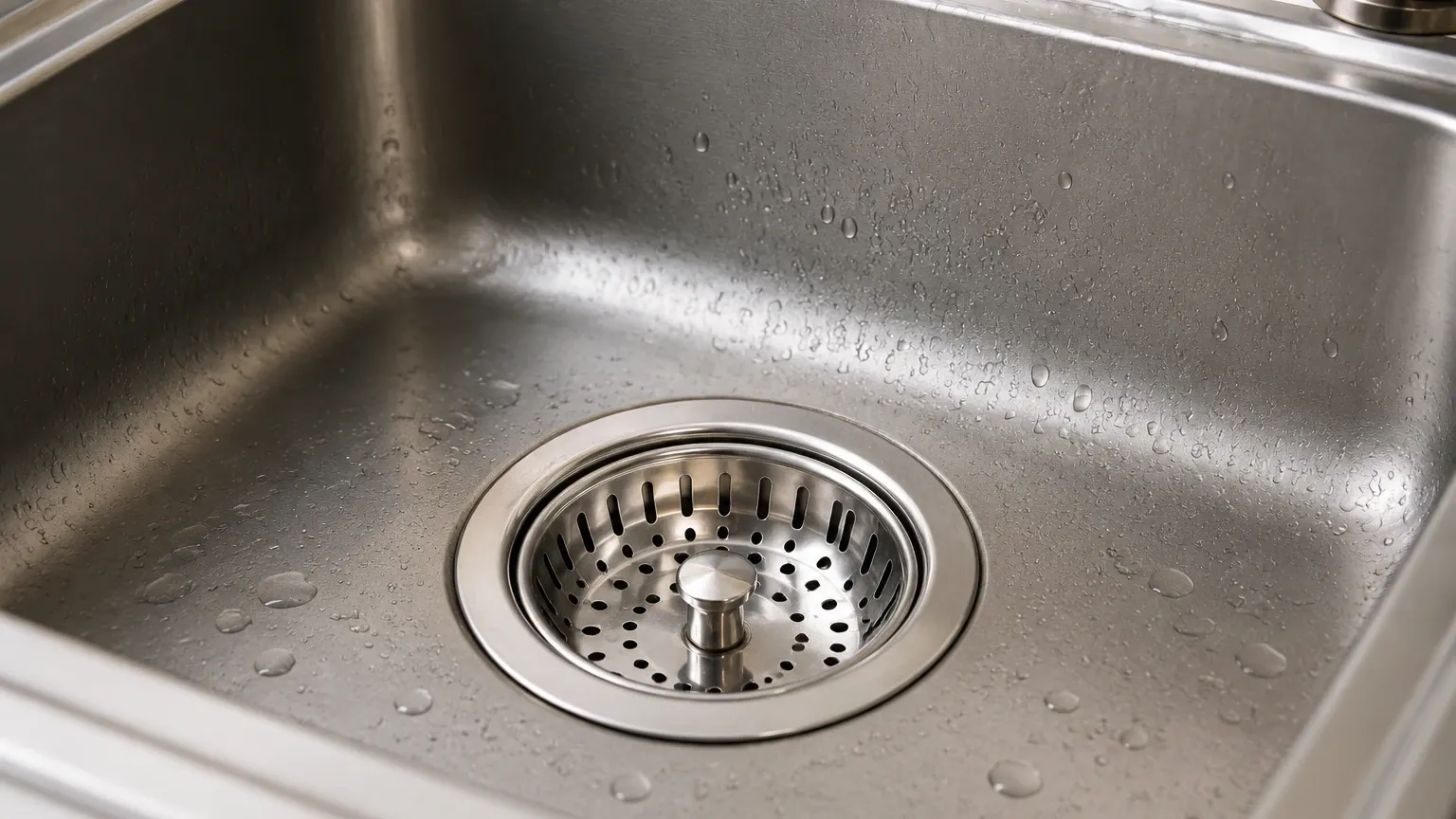
Basket Strainer on Sink
In industrial and commercial environments, the basket strainer on sink serves as a critical primary filtration component. Unlike residential counterparts, industrial-grade sink strainers are engineered to withstand rigorous use, chemical exposure, and high-volume throughput. For engineers and facility managers, selecting the appropriate Strainers & Baskets is not merely a matter of fitting a drain, but a strategic decision to protect downstream plumbing, wastewater treatment systems, and expensive pumping equipment from debris and particulate matter.
Kaifil, as a specialist in custom stainless steel filtration, recognizes that the performance of a basket strainer on sink depends on material integrity, precision manufacturing, and application-specific design. This guide explores the technical nuances of industrial sink strainers, providing the factual data necessary for informed procurement and engineering integration.
The Role of Basket Strainers in Industrial Fluid Management
An industrial basket strainer is a removable, perforated, or mesh-lined vessel designed to intercept solids from a liquid stream. When installed in a sink—whether in a commercial kitchen, a pharmaceutical laboratory, or a chemical processing facility—the strainer acts as the first line of defense.
The primary functions of these components include:
1. Debris Retention: Capturing large particulates, food waste, or metal shavings that could cause blockages in the drainage system.
2. Equipment Protection: Preventing solids from entering centrifugal pumps or sensitive filtration units located further down the line.
3. Regulatory Compliance: Helping facilities meet local effluent discharge standards by ensuring that certain solids do not enter the municipal sewer system.
4. Operational Continuity: Reducing downtime by allowing for quick manual cleaning without the need to dismantle complex piping.
In high-demand environments, a standard off-the-shelf strainer often fails due to structural fatigue or corrosion. Therefore, technical teams must evaluate the specific mechanical and chemical demands of their application before selection.
Engineering Considerations: Sizing and Flow Dynamics
When specifying a basket strainer on sink for an industrial project, the dimensions and flow characteristics are the most critical technical parameters. A mismatch in sizing can lead to two primary issues: insufficient drainage (causing flooding) or bypass (where debris escapes around the edges of the basket).
Flange and Body Dimensions
Industrial sinks often feature non-standard drain openings. Engineering teams must confirm the flange diameter, the depth of the sink outlet, and the clearance below the sink. Kaifil’s manufacturing capabilities allow for customized heights and diameters to ensure a flush fit, which is essential for preventing the accumulation of bio-film or chemical residues in gaps.
Flow Rate and Open Area Ratio
The "Open Area Ratio" (OAR) is a vital metric in filtration engineering. It represents the ratio between the total open area of the holes or mesh and the cross-sectional area of the inlet pipe. For a basket strainer on sink to operate efficiently without causing backup, the OAR should typically be at least 4:1. This ensures that even as the basket begins to fill with debris, the liquid can still pass through the remaining open area at the required velocity.
Material Science: Navigating Stainless Steel Grades
The longevity of a basket strainer on sink is dictated by its material composition. In industrial settings, plastic or low-grade plated metals are insufficient. Kaifil focuses on high-performance stainless steel alloys to ensure durability and hygiene.
Type 304 Stainless Steel
Grade 304 is the standard for most commercial kitchen and general industrial applications. It offers excellent corrosion resistance to water and mild chemicals. It is highly weldable and maintains structural integrity under moderate mechanical stress.
Type 316 and 316L Stainless Steel
For environments involving high salinity, acidic food processing (such as citrus or vinegar), or pharmaceutical chemicals, Type 316 stainless steel is the preferred choice. The addition of molybdenum provides superior resistance to pitting and crevice corrosion. 316L (low carbon) is used when extensive welding is required, as it prevents carbide precipitation that can lead to intergranular corrosion.
Surface Finishes and Hygiene
In the food and beverage or pharmaceutical sectors, the surface finish of the strainer is as important as the alloy. Electropolishing or high-grit mechanical polishing reduces surface roughness (Ra), making it difficult for bacteria to adhere and easier for staff to sanitize the component during Clean-in-Place (CIP) cycles.
Filtration Performance and Mesh Specifications
The "basket" part of the basket strainer on sink can be constructed using perforated metal, woven wire mesh, or a combination of both. The choice depends on the required filtration accuracy.
Perforated Metal Baskets
These are typically used for coarse filtration. They are exceptionally durable and can withstand significant physical impact. Engineers must specify the hole diameter (e.g., 1/8", 1/16") and the hole pattern (staggered vs. straight). Staggered patterns generally offer a higher open area and better structural strength.
Woven Wire Mesh Liners
When fine particulate removal is necessary—such as in laboratory sinks or precision manufacturing—a wire mesh liner is added to the perforated basket. This allows for filtration down to the micron level. Kaifil provides various weave types, including plain weave and Dutch weave, depending on the balance required between filtration fineness and flow resistance.
Structural Support
In high-flow applications, a fine mesh liner may collapse under the weight of the debris or the pressure of the fluid. In these cases, the basket is engineered with a heavy-duty perforated outer shell that provides the necessary mechanical support for the inner fine mesh layer.
Customization and OEM Solutions for Specialized Applications
Standardized hardware often falls short in specialized industrial contexts. Customization is a core strength of Kaifil’s production process. When ordering a basket strainer on sink, purchasing teams should consider the following customizable features:
* Handle Design: Fixed handles, drop handles, or threaded lift rods facilitate easy removal in deep sinks or when wearing heavy protective gloves.
* Sealing Mechanisms: For applications requiring a watertight seal (such as soaking tanks), specialized gaskets or precision-ground metal-to-metal seats can be integrated.
* Magnetic Inserts: In metalworking or machining environments, magnetic rods can be placed within the basket to capture fine ferrous particles that might otherwise pass through the mesh.
* Dual-Basket Systems: For continuous operations where flow cannot be interrupted, duplex systems or specialized overflow baskets can be designed to ensure drainage even when the primary basket is full.
By leveraging Strainers & Baskets tailored to specific site requirements, facilities can significantly reduce the risk of plumbing emergencies.
Operational Efficiency: Maintenance and Longevity
The total cost of ownership (TCO) for a basket strainer on sink is determined more by its maintenance requirements than its initial purchase price. A poorly designed strainer that is difficult to clean will eventually be ignored by staff, leading to bypass or system failure.
Cleaning Protocols
In industrial kitchens and food processing, the build-up of fats, oils, and grease (FOG) can clog fine mesh. The strainer design should allow for easy removal and be robust enough to withstand high-pressure washing or chemical soaking. Stainless steel's ability to withstand high temperatures also makes it compatible with industrial dishwashers and autoclaves.
Wear and Replacement Cycles
While stainless steel is durable, it is not indestructible. Regular inspection should focus on:
* Weld Integrity: Checking for cracks at the handle attachment points or the base of the basket.
* Mesh Distortion: Looking for signs of "blinding" (permanent clogging) or tearing in wire mesh liners.
* Fitment: Ensuring the strainer still sits securely in the flange to prevent bypass.
Procurement Checklist for Industrial Engineering Teams
Before finalizing a purchase order for a basket strainer on sink, technical professionals should confirm the following data points with their supplier:
1. Chemical Compatibility: Does the stainless steel grade (304 vs 316) match the chemicals and cleaning agents used on-site?
2. Micron Rating/Hole Size: Is the filtration level sufficient to protect downstream equipment without causing excessive drainage lag?
3. Mechanical Load: Will the basket be subjected to heavy debris loads that require reinforced structural support?
4. Dimensional Accuracy: Have the drain opening diameter and depth been verified against the manufacturer’s technical drawings?
5. Compliance Standards: Does the component meet industry-specific certifications (e.g., NSF for food service or 3-A for dairy applications)?
Conclusion
The basket strainer on sink is a small but vital component of industrial infrastructure. By moving beyond generic hardware and focusing on engineering-grade Strainers & Baskets, organizations can ensure efficient fluid management and long-term protection of their facilities. Kaifil’s expertise in stainless steel fabrication and custom filtration solutions provides the technical foundation needed to solve complex drainage and particulate retention challenges in the most demanding industrial environments.
