


Basket Strainer Overflow
In industrial fluid handling systems, the efficiency of filtration and protection of downstream equipment rely heavily on the integrity of the strainer assembly. A basket strainer is a closed vessel with a cleanable screen or basket designed to remove foreign particles from a process line. However, when the system experiences a basket strainer overflow—either in the form of a physical fluid bypass within the housing or an actual overflow in open-top gravity systems—it indicates a critical failure in sizing, maintenance, or application matching.
For engineers and procurement teams, understanding the mechanics of overflow is essential to maintaining system uptime and protecting expensive components like pumps, heat exchangers, and spray nozzles. This guide examines the technical causes of overflow, the engineering consequences of bypass, and the selection criteria for Strainers & Baskets to ensure reliable performance in demanding industrial environments.
The Mechanics of Flow and Filtration in Basket Strainers
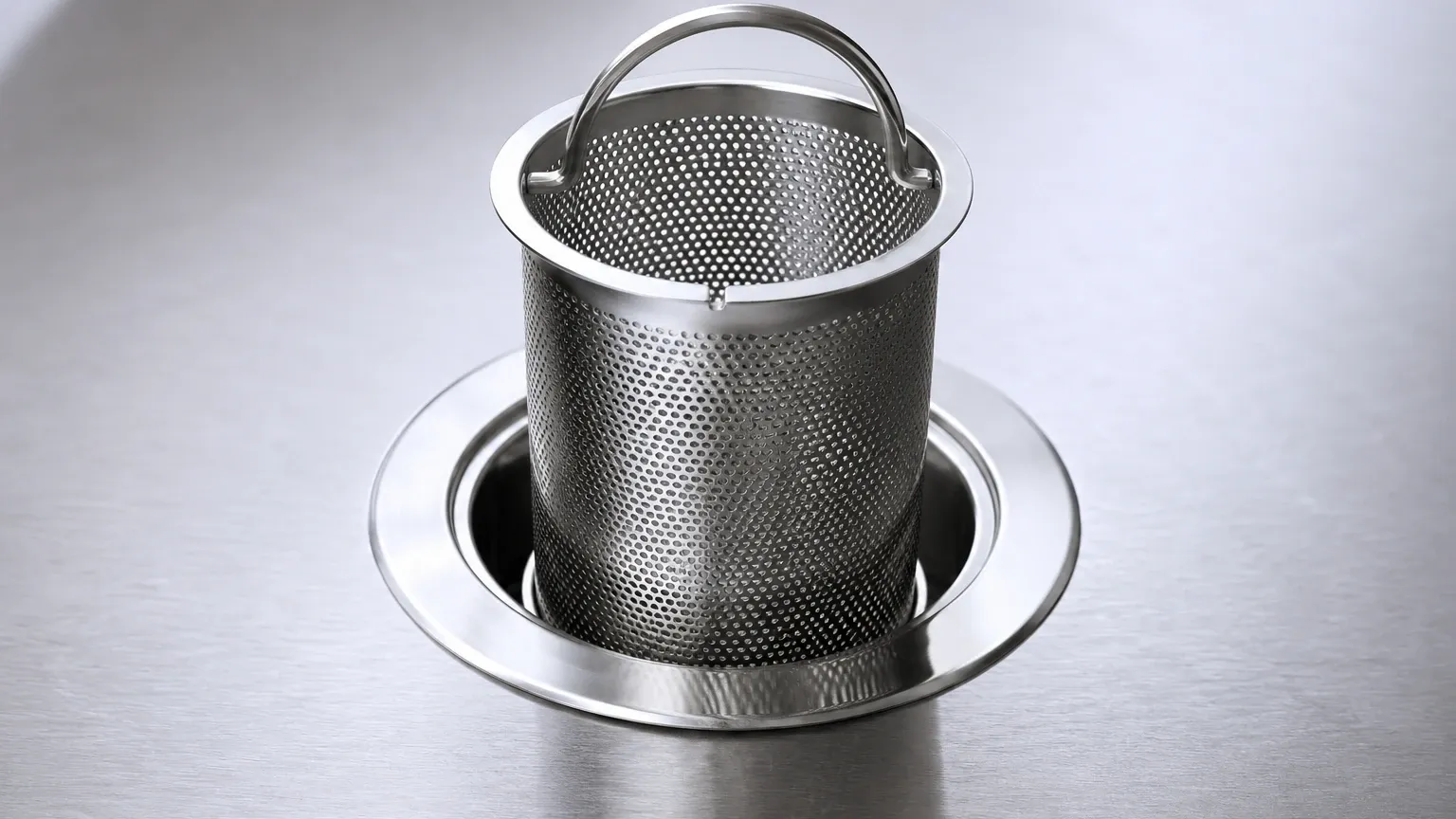
To understand why overflow occurs, one must first understand the internal dynamics of a basket strainer. Unlike Y-strainers, which are typically used for smaller amounts of debris, basket strainers are designed for systems where high flow rates and high solids loading are expected. The fluid enters the strainer housing, passes through the perforated or mesh-lined basket, and exits through the outlet.
In a correctly functioning system, the "Open Area Ratio" (OAR) is the primary metric of performance. The OAR is the ratio between the total open area of the strainer basket and the internal cross-sectional area of the inlet pipe. A common industrial standard is an OAR of 6:1 or 8:1. If the OAR is too low, or if the basket becomes blinded by debris, the resistance to flow increases, leading to a rise in differential pressure.
When we discuss "basket strainer overflow" in a pressurized B2B context, we are often referring to the point where the internal pressure forces fluid to bypass the basket seal or where the basket itself fails under the weight and pressure of the trapped solids. In gravity-fed or open-loop systems, overflow literally refers to the fluid exceeding the capacity of the vessel and spilling over the rim, often due to a clogged screen.
Identifying the Causes of Basket Strainer Overflow
Several factors contribute to overflow conditions. Identifying these early in the design or troubleshooting phase is critical for operational safety.
1. Excessive Particulate Loading
If the process fluid contains a higher concentration of solids than the system was originally designed for, the basket will fill rapidly. Once the basket is full, the effective open area drops to near zero. In pressurized systems, this leads to a massive spike in differential pressure; in open systems, it leads to immediate basket strainer overflow. This is common in seasonal water intake systems or chemical processes where batch consistency varies.
2. Incorrect Mesh or Perforation Sizing
Selecting a mesh that is too fine for the application is a frequent engineering oversight. While finer filtration provides cleaner downstream fluid, it also increases the rate of clogging. If the micron rating is smaller than necessary for the protection of downstream equipment, the strainer will require frequent cleaning and will be prone to overflow if the maintenance schedule is not strictly followed.
3. Viscosity Fluctuations
Fluid viscosity significantly impacts the flow rate through a strainer basket. A system designed for water-like viscosity may experience overflow or high-pressure drops if the fluid thickens due to temperature drops or chemical changes. Higher viscosity fluids require larger baskets and coarser screens to maintain the same flow rate without triggering an overflow condition.
4. Surge Flows and System Spikes
Industrial systems rarely operate at a perfectly steady state. Pump start-ups, valve actuations, and process changes can cause sudden surges in flow. If the strainer is sized exactly at the nominal flow rate without a safety margin, these surges can overwhelm the basket, causing fluid to bypass the seals or overflow the housing in open-top configurations.
Engineering Consequences of Overflow and Bypass
The implications of basket strainer overflow extend far beyond a simple mess. In B2B industrial settings, the consequences are often measured in thousands of dollars of equipment damage and lost production time.
Downstream Contamination
When a basket strainer overflows or bypasses, the debris it was intended to catch moves downstream. This can lead to the clogging of heat exchanger tubes, erosion of pump impellers, and the fouling of precision instruments. In the pharmaceutical and food and beverage sectors, this can result in entire batches being scrapped due to contamination.
Pump Cavitation and Seal Failure
In many systems, the basket strainer is located on the suction side of the pump. If the strainer becomes clogged and nears an overflow or high-vacuum state, it can starve the pump of fluid. This leads to cavitation—the formation and collapse of vapor bubbles—which can pit metal surfaces and destroy mechanical seals within hours.
Structural Basket Failure
If the differential pressure across a clogged basket exceeds the structural limits of the material (typically 304 or 316 stainless steel), the basket can collapse. A collapsed basket allows all trapped debris to enter the downstream line at once, often causing catastrophic failure of the entire system.
Preventing Overflow through Proper Selection of Strainers & Baskets
Preventing overflow starts with the procurement and engineering phase. Selecting the right Strainers & Baskets requires a deep dive into the specific parameters of the application.
Sizing for the Worst-Case Scenario
Engineers should size strainers based on the maximum possible flow rate and the highest expected solids loading, not just the average operating conditions. This includes calculating the pressure drop when the basket is at least 50% clogged. If the calculated pressure drop at 50% clogging is too high, a larger strainer body or a high-capacity basket design is required.
Material Selection and Durability
For corrosive environments, such as chemical processing or seawater filtration, 316 stainless steel or specialized alloys are necessary. The structural integrity of the basket is paramount; reinforced baskets with heavy-duty backing wire or perforated metal supports can withstand higher differential pressures before failing, providing a safety buffer against overflow conditions.
Seal Integrity
The seal between the basket and the strainer housing is the most common point of internal bypass. High-quality strainers utilize O-rings or precision-machined seats to ensure that 100% of the fluid passes through the filtration media. When specifying a strainer, engineers should confirm the seal material's compatibility with the process fluid and temperature.
Monitoring Differential Pressure (DP) to Prevent Failure
The most effective way to prevent basket strainer overflow in a pressurized system is the implementation of differential pressure monitoring. By measuring the pressure at the inlet versus the outlet, operators can determine exactly how clogged the basket is.
* DP Gauges: Visual gauges allow floor operators to check the status of the strainer during routine rounds.
* DP Switches: These can be integrated into the facility's PLC (Programmable Logic Controller) to trigger an alarm or automatically shut down a pump when the pressure drop reaches a critical threshold.
* Automated Blow-down: In some designs, a high DP reading can trigger a backwash or blow-down cycle to clear the basket without manual intervention.
Establishing a "clean" baseline pressure drop and a "dirty" limit (usually 5-10 psi depending on the system) is a fundamental part of industrial maintenance. Waiting until the system experiences an actual overflow is a reactive approach that increases the Total Cost of Ownership (TCO).
Customization and OEM Solutions for Complex Applications
Standard off-the-shelf strainers often fail to meet the specific needs of unique industrial processes. This is where custom manufacturing becomes essential. For applications with high flow rates but limited space, or for fluids with unusual rheological properties, a customized basket design may be the only way to prevent overflow.
Customization options include:
* High-Capacity Baskets: Increasing the depth or diameter of the basket to provide a larger surface area.
* Multi-Basket Strainers: Utilizing multiple baskets within a single housing to allow for higher flow rates and easier manual cleaning.
* Specialized Linings: Adding fine mesh linings to heavy-duty perforated baskets for a combination of strength and high-precision filtration.
By working with a manufacturer that understands the nuances of stainless steel fabrication and filtration engineering, purchasing teams can ensure that the components they receive are optimized for their specific flow dynamics.
Maintenance Protocols to Mitigate Overflow Risks
Even the best-engineered strainer will overflow if it is not maintained. A robust maintenance schedule should include:
1. Regular Inspection: Checking for signs of bypass, such as debris found downstream during routine equipment teardowns.
2. Scheduled Cleaning: Moving from a reactive "clean when clogged" model to a proactive "clean every X hours" model based on historical data.
3. Spare Basket Inventory: Keeping spare baskets on hand allows for immediate swap-outs, minimizing downtime. The dirty basket can then be cleaned thoroughly without rushing the process.
4. Seal Replacement: O-rings and gaskets should be replaced whenever the strainer housing is opened to ensure a leak-proof and bypass-proof fit.
Conclusion: Ensuring Reliable Filtration Performance
Basket strainer overflow is a symptom of an underlying mismatch between a filtration system and its operating environment. Whether caused by unexpected particulate loads, improper sizing, or neglected maintenance, the results are detrimental to industrial efficiency.
By focusing on the Open Area Ratio, implementing rigorous differential pressure monitoring, and selecting high-quality Strainers & Baskets designed for the specific rigors of the application, engineers can eliminate the risks associated with overflow. Investing in precision-engineered filtration components is not just about fluid clarity; it is about the long-term protection of the entire industrial infrastructure.
When evaluating your next filtration project, consider the total volume of solids, the chemical nature of the fluid, and the critical pressure limits of your system. A well-specified basket strainer is the first line of defense in a high-performance fluid handling system, ensuring that overflow remains a theoretical concern rather than an operational reality.
