


Jamison Strainers
In industrial fluid handling, the integrity of downstream equipment such as pumps, meters, valves, and heat exchangers depends heavily on the effectiveness of mechanical filtration. Jamison strainers, often utilized in heavy-duty piping systems, serve as the primary line of defense against oversized solids and debris. These components are engineered to withstand rigorous industrial environments, providing a reliable method for removing unwanted particles from liquid or gas streams. For engineers and procurement professionals, understanding the technical nuances of these strainers—ranging from material selection to pressure drop calculations—is essential for optimizing system performance and reducing long-term maintenance costs.
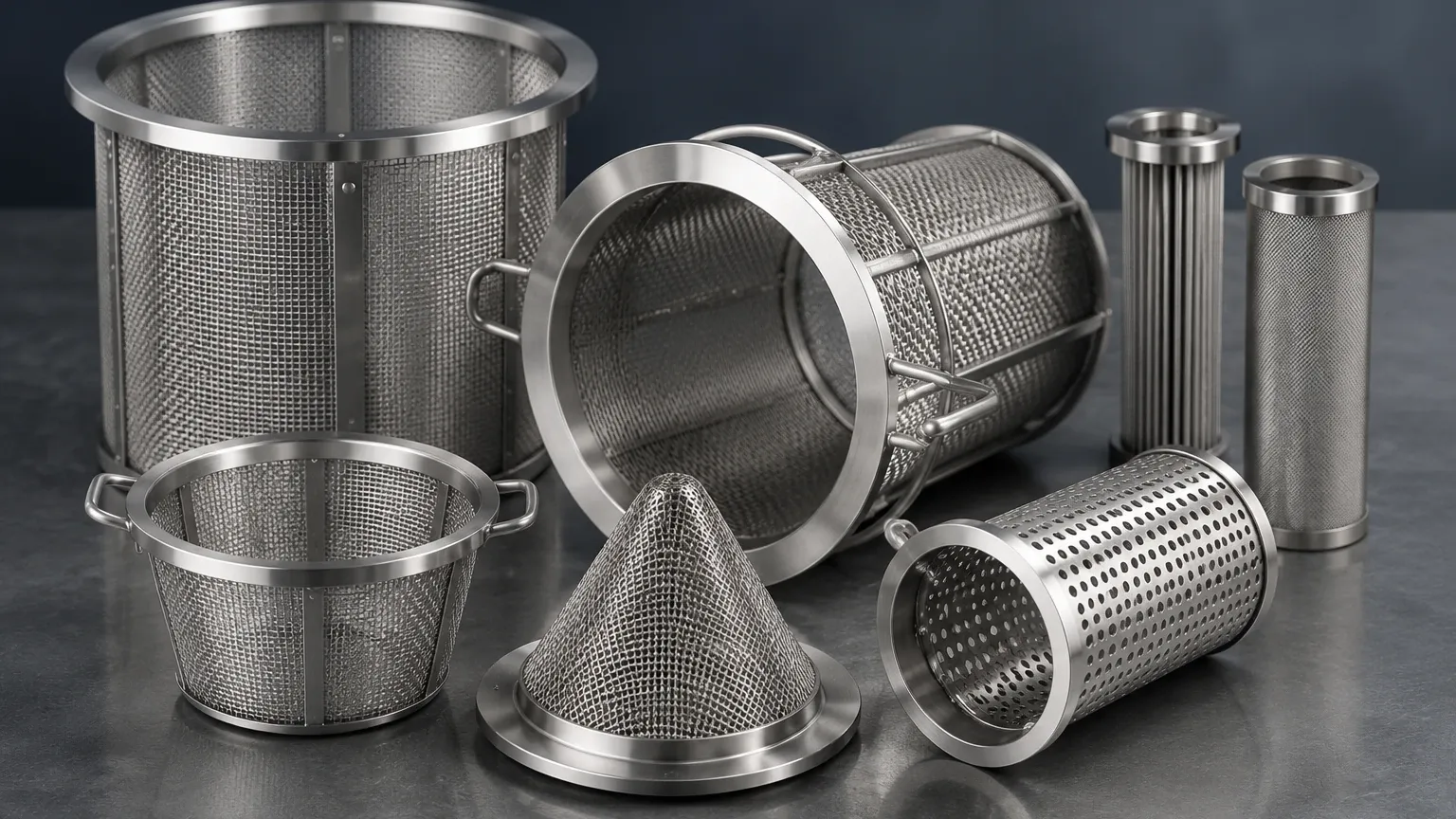
Industrial filtration is not a one-size-fits-all discipline. The selection of Strainers & Baskets requires a deep dive into the specific characteristics of the process fluid, the operational pressure, and the required filtration accuracy. Whether the application involves chemical processing, water treatment, or oil and gas distribution, the choice of strainer design and its internal components determines the overall efficiency of the fluid system.
Engineering Fundamentals of Jamison Strainers
Jamison strainers are typically categorized by their housing design and the way they are integrated into a piping network. Most industrial strainers of this type fall into two primary configurations: Simplex and Duplex.
Simplex strainers are used in batch processes or systems where the flow can be temporarily halted to clean or replace the internal basket. In contrast, Duplex strainers consist of two separate strainer chambers connected by a diversion valve. This allows for continuous operation; when one chamber becomes clogged, the flow is diverted to the second chamber, allowing the first to be serviced without shutting down the entire system.
From an engineering perspective, the internal geometry of the strainer housing is designed to minimize turbulence and maximize the surface area of the filtration element. The ratio of the open area of the strainer basket to the cross-sectional area of the inlet pipe—often referred to as the "open area ratio"—is a critical metric. A higher ratio typically results in a lower initial pressure drop and longer intervals between cleaning cycles.
Material Compatibility and Corrosion Resistance
Selecting the appropriate material for the housing and the internal basket is the most critical step in ensuring the longevity of jamison strainers. Industrial fluids can be highly corrosive, abrasive, or subject to extreme temperature fluctuations.
1. Carbon Steel: Often used for non-corrosive applications such as oil, steam, and water where cost-efficiency is a priority. Carbon steel provides high strength but requires external coating or internal lining if used with corrosive media.
2. Stainless Steel (304/316): The industry standard for chemical processing, food and beverage, and pharmaceutical applications. Stainless steel offers superior corrosion resistance and can withstand high temperatures. 316 stainless steel, in particular, is preferred for environments containing chlorides or high acidity.
3. Cast Iron and Ductile Iron: Frequently used in water distribution and HVAC systems. These materials offer excellent vibration damping and are cost-effective for large-diameter piping, though they are limited in terms of chemical resistance and pressure ratings compared to steel alloys.
4. Specialty Alloys: For highly aggressive environments, materials like Monel, Hastelloy, or Titanium may be required to prevent premature failure of the strainer housing or the basket mesh.
When sourcing Strainers & Baskets, engineers must verify that the material specifications align with the Material Safety Data Sheet (MSDS) of the process fluid and the relevant ASME or ANSI pressure-temperature ratings.
Evaluating Filtration Efficiency: Mesh vs. Perforation
The heart of the strainer is the internal element, which can be either a perforated plate or a wire mesh liner. The choice between these two depends on the size of the particles that need to be removed.
* Perforated Baskets: These are typically used for coarse straining, where the goal is to remove large debris like stones, scale, or welding slag. Perforation sizes are usually measured in fractions of an inch or millimeters. They provide high structural integrity and are easy to clean.
* Wire Mesh Liners: When finer filtration is required, a wire mesh is layered over a perforated metal support. Mesh sizes are defined by the number of openings per linear inch. For example, a 100-mesh screen has 100 openings per inch and can capture much smaller particles than a standard perforated plate.
In the context of jamison strainers, the "clean pressure drop" is a vital consideration. As the mesh becomes finer, the resistance to flow increases. Engineers must balance the need for high filtration accuracy with the allowable pressure drop of the system. If the mesh is too fine, the strainer will clog rapidly, leading to frequent downtime and potential cavitation in downstream pumps.
Operational Considerations: Pressure Drop and Flow Dynamics
The performance of any strainer is defined by its flow coefficient (Cv), which represents the volume of water in gallons per minute that will flow through the strainer with a pressure drop of 1 psi. Calculating the expected pressure drop across jamison strainers involves several variables:
* Fluid Viscosity: Thicker fluids (like heavy oils) create more resistance and require larger strainers or coarser mesh to maintain flow rates.
* Specific Gravity: The density of the fluid affects the pressure required to move it through the filtration media.
* Flow Velocity: Higher velocities increase the pressure drop exponentially. Most industrial systems aim for a velocity between 5 to 10 feet per second to balance efficiency and pipe wear.
Monitoring the differential pressure (the difference between the inlet and outlet pressure) is the most effective way to determine when a strainer needs cleaning. Many jamison strainers are equipped with differential pressure gauges or transmitters that trigger an alarm when a specific threshold is reached. Ignoring these signals can lead to basket collapse or the "blow-through" of contaminants into sensitive equipment.
Maintenance and Lifecycle Management
To ensure the reliability of jamison strainers, a proactive maintenance schedule is necessary. The total cost of ownership (TCO) for a strainer is not just the purchase price, but the cumulative costs of energy loss (due to pressure drop), replacement parts, and labor for cleaning.
Cleaning Procedures:
For Simplex strainers, the system must be depressurized and drained before the cover can be removed. Modern designs often feature "quick-opening" covers with swing bolts or T-bolts to reduce service time. Once the cover is removed, the basket is lifted out, cleaned (often via high-pressure water or chemical soaking), and inspected for damage.
Gasket and Seal Inspection:
Every time a strainer is opened, the gaskets or O-rings should be inspected for signs of compression set, cracking, or chemical degradation. Using the wrong gasket material can lead to leaks, which are both a safety hazard and a source of environmental non-compliance.
Replacement Cycles:
While the housing of a strainer may last for decades, the internal Strainers & Baskets are wear items. Over time, the constant pressure and abrasive nature of the debris can fatigue the metal mesh. Having a stock of replacement baskets is essential for minimizing downtime during scheduled maintenance or unexpected clogging events.
Customization for Specialized Industrial Requirements
Standard off-the-shelf strainers may not always meet the specific demands of complex industrial processes. Customization is often required to address unique challenges such as limited installation space, extremely high flow rates, or the need for specialized filtration media.
Customization options for jamison strainers include:
* Modified Inlet/Outlet Configurations: Offset nozzles or right-angle flow paths to fit into existing piping footprints.
* Magnetic Inserts: Adding magnetic rods to the strainer basket to capture fine iron and steel particles that might otherwise pass through the mesh.
* Steam Jacketing: For fluids that solidify at room temperature (like bitumen or certain resins), steam jackets keep the fluid at the correct viscosity for straining.
* Reinforced Baskets: For high-pressure applications where the differential pressure might exceed the structural limits of a standard basket.
By working with a manufacturer that specializes in custom stainless steel filtration solutions, engineers can ensure that the internal components of their jamison strainers are optimized for their specific operating conditions. This includes selecting the precise wire diameter, weave type, and support structure for the mesh liners.
Conclusion: Selecting the Right Filtration Partner
The selection and maintenance of jamison strainers are critical components of industrial system design. A well-specified strainer protects multi-million dollar investments in machinery and ensures the consistency of the final product. When evaluating suppliers, it is important to look beyond the housing and consider the quality of the internal filtration elements.
Reliable performance depends on high-quality materials, precise manufacturing tolerances, and an understanding of fluid dynamics. For those seeking durable and efficient solutions, exploring a wide range of Strainers & Baskets is the first step toward achieving optimized filtration. By focusing on technical specifications and engineering standards, purchasing teams can secure components that offer both high performance and a low total cost of ownership in demanding industrial environments.
