


Old Strainers
In industrial fluid handling and processing, the reliability of filtration components is paramount to maintaining system uptime and protecting downstream equipment. While many industrial systems are designed for decades of service, the internal components, specifically the filtration media, are subject to constant mechanical stress, chemical exposure, and erosive forces. Evaluating the performance and structural integrity of old strainers is a critical task for maintenance engineers and facility managers. As these components reach the end of their functional lifecycle, understanding when to repair and when to replace them with modern Strainers & Baskets is essential for operational efficiency.
Industrial strainers serve as the primary line of defense against particulate contamination in pipelines. Whether used in chemical processing, food and beverage production, or hydraulic systems, these components must withstand varying flow rates and pressure differentials. However, as strainers age, their ability to perform within original design specifications diminishes. This article examines the technical considerations involved in assessing aging filtration components and the engineering advantages of transitioning to modern, customized solutions.
Assessing the Structural Integrity of Old Strainers
The first step in managing a filtration system is the rigorous assessment of existing hardware. Old strainers often exhibit signs of degradation that are not immediately visible during routine external inspections. For stainless steel components, the primary concerns are mechanical fatigue and localized corrosion.
Mechanical fatigue occurs due to the constant fluctuations in pressure as fluid passes through the mesh or perforated metal. Over years of service, these pressure cycles can lead to micro-cracks in the wire mesh or at the weld points where the mesh is joined to the basket frame. If these cracks propagate, they can lead to a catastrophic failure of the filter element, allowing large contaminants to pass through and potentially damage pumps, valves, or sensitive instrumentation downstream.
Corrosion is another significant factor, even in stainless steel systems. While 304 and 316L stainless steel offer excellent resistance, certain process fluids—especially those with high chloride content or extreme pH levels—can cause pitting or stress corrosion cracking over long periods. In old strainers, the accumulated effect of this corrosion can thin the wire diameter of the mesh, effectively changing the filtration rating and reducing the mechanical strength of the basket. Engineers should look for discoloration, surface pitting, and any signs of "thinning" in the mesh weave during inspection.
The Impact of Wear and Corrosion on Filtration Efficiency
Filtration efficiency is defined by the ability of a strainer to remove particles of a specific size while maintaining an acceptable pressure drop. As strainers age, two primary phenomena typically occur: blinding and bypass.
Blinding, or plugging, occurs when particles become permanently lodged within the mesh openings. In old strainers, years of cleaning cycles—especially if aggressive mechanical brushing or high-pressure washing was used—can deform the mesh, making it more prone to trapping particles. This results in a higher baseline differential pressure (Delta P), which forces the system pumps to work harder and increases energy consumption. If the baseline pressure drop is significantly higher than it was when the strainer was new, it is a clear indicator that the effective filtration area has been compromised.
Conversely, bypass occurs when fluid flows around the filtration media rather than through it. This is often caused by the degradation of the sealing surfaces or the warping of the basket frame. In many legacy systems, the gaskets or O-rings used to seat the basket may have hardened or perished, and if the basket itself has been dropped or mishandled during maintenance, it may no longer seat perfectly within the housing. Even a gap of a few millimeters can allow a significant volume of unfiltered fluid to bypass the system, rendering the filtration process ineffective.
Technical Specifications for Replacing Strainers & Baskets
When the decision is made to replace old strainers, it is rarely sufficient to simply order a "like-for-like" replacement without reviewing current process requirements. Industrial processes often evolve; flow rates may have increased, or the required purity levels may have become more stringent. Replacing aging components provides an opportunity to optimize the filtration parameters.
Key engineering specifications to confirm during the replacement process include:
* Micron Rating and Mesh Count: The mesh count refers to the number of openings per linear inch. For precision applications, the micron rating (the size of the smallest particle the mesh will retain) must be accurately matched to the protection requirements of downstream equipment.
* Effective Filtration Area (EFA): A larger EFA reduces the frequency of cleaning and lowers the initial pressure drop. Modern designs often utilize pleated mesh or optimized basket geometries to maximize EFA within the same housing footprint.
* Flow Velocity: High-velocity systems can cause "wire draw" or erosion on the mesh. Selecting a heavier wire gauge or a reinforced basket design can mitigate these effects in demanding applications.
* Connection Types: For custom baskets, ensuring the flange or ring design matches the existing housing is critical for a leak-proof seal.
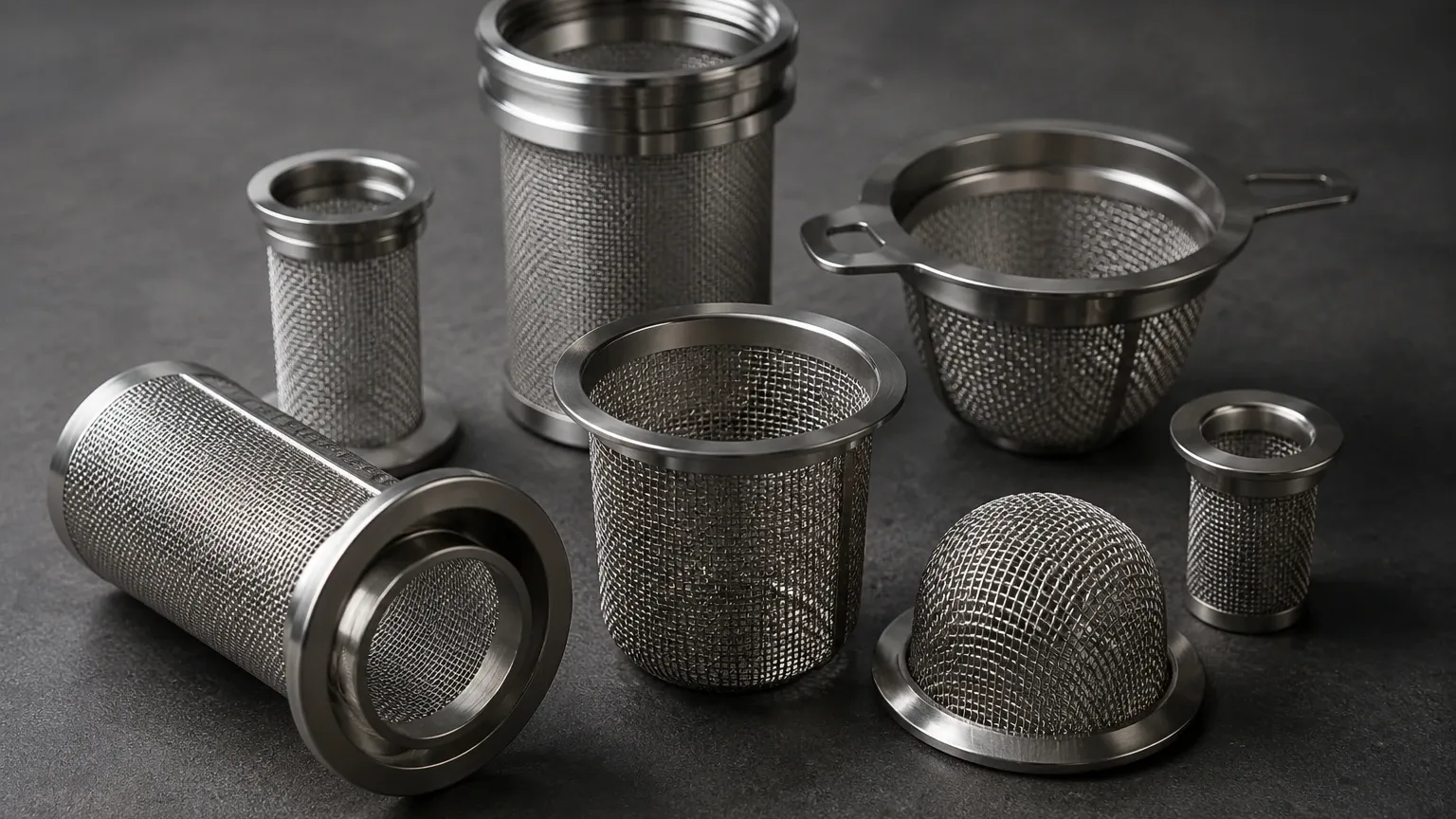
By working with a specialist manufacturer like Kaifil, engineers can ensure that new Strainers & Baskets are engineered to meet these specific technical demands, often exceeding the performance of the original equipment.
Material Science: Upgrading from Standard to High-Performance Alloys
One of the most effective ways to extend the service life of a filtration system is to upgrade the material of the strainer components. Many legacy systems were installed using standard Grade 304 stainless steel. While suitable for many applications, 304 may not provide sufficient resistance in modern chemical processing or high-temperature environments.
Upgrading to Grade 316L stainless steel offers superior resistance to chlorides and acetic acids, making it the industry standard for pharmaceutical and food-grade applications. For even more extreme environments, specialized alloys or duplex stainless steels can be utilized.
Beyond the alloy itself, the construction method of the strainer is vital. Modern manufacturing techniques, such as plasma welding and precision laser cutting, ensure that the joints of the basket are as corrosion-resistant as the base material. In old strainers, the weld points are often the first areas to fail due to carbide precipitation or poor weld penetration. High-quality OEM replacements eliminate these weak points through advanced fabrication standards.
Customization and OEM Capabilities for Legacy Systems
A common challenge in maintaining older plants is that the original equipment manufacturer (OEM) of the filtration housing may no longer be in business, or the specific model of the strainer has been discontinued. This leaves maintenance teams with the difficult task of sourcing components for obsolete systems.
This is where custom manufacturing becomes essential. Kaifil specializes in producing custom stainless steel filtration solutions that can be tailored to fit any existing housing. By providing dimensions, a sample of the old strainer, or technical drawings, facilities can obtain high-performance replacements that are purpose-built for their specific application.
Customization options include:
* Reinforced Baskets: Adding perforated metal backing to fine wire mesh to handle higher pressure differentials.
* Magnetic Inserts: Incorporating magnetic rods within the basket to capture fine ferrous particles that might otherwise pass through the mesh.
* Handle and Lifting Lug Variations: Modifying the basket for easier removal and cleaning, which improves safety and reduces downtime during maintenance intervals.
* Multi-Layer Sintered Mesh: For applications requiring extreme durability and precise filtration, multiple layers of wire mesh can be sintered together to create a robust, integrated filter element.
Maintenance Strategies and Replacement Cycles
To avoid the risks associated with old strainers, industrial facilities should implement a proactive replacement strategy based on total cost of ownership (TCO). While the initial cost of a new basket is a factor, it is often negligible compared to the cost of a system shutdown caused by a failed filter or the damage to a multi-thousand-dollar centrifugal pump.
Engineers should establish a baseline for differential pressure when a new strainer is installed. A consistent increase in this baseline, even after thorough cleaning, indicates that the strainer is reaching the end of its effective life. Additionally, a formal inspection log should be maintained to track signs of mechanical wear, such as loose wires or distorted frames.
In many high-stakes industries, such as pharmaceutical manufacturing or volatile chemical processing, strainers are treated as semi-consumable items with a fixed replacement cycle (e.g., every 24 to 48 months) regardless of apparent condition. This preventative approach ensures that the risk of material fatigue or bypass is virtually eliminated.
Conclusion: Optimizing Performance with Modern Solutions
The transition from old strainers to modern, high-performance filtration components is a critical aspect of industrial maintenance. By understanding the mechanical and chemical stresses that degrade these components over time, engineers can make informed decisions about when to upgrade.
Modern Strainers & Baskets offer more than just a replacement for a worn part; they provide an opportunity to improve filtration accuracy, reduce energy costs through lower pressure drops, and extend the intervals between maintenance cycles. Whether through the use of superior materials like 316L stainless steel or through custom engineering to fit legacy housings, upgrading filtration hardware is a high-return investment in the reliability and safety of industrial operations.
Kaifil’s expertise in custom stainless steel filtration ensures that even the most demanding applications receive components that are engineered for durability and precision. By focusing on quality manufacturing and technical support, Kaifil helps global customers move beyond the limitations of aging filtration hardware to achieve optimized, long-term performance.
