


Strainer 22mm
In industrial fluid handling and piping systems, the integrity of downstream equipment often depends on the efficiency of primary filtration components. A strainer 22mm is a specific mechanical filtration device designed to remove solid particles from liquids or gases. Typically integrated into piping systems with a nominal diameter of 22mm (often corresponding to metric tubing or specific DN20 configurations), these strainers serve as the first line of defense for pumps, control valves, meters, and heat exchangers. Selecting the correct strainer involves more than just matching pipe size; it requires a deep understanding of fluid dynamics, material compatibility, and the specific filtration requirements of the application.
The Role of the 22mm Strainer in Industrial Systems
Industrial processes rely on the continuous flow of clean media. Whether the fluid is water, hydraulic oil, chemical solvents, or steam, the presence of debris—such as scale, rust, or weld beads—can cause catastrophic failure or significant wear on precision components. The strainer 22mm is strategically placed to intercept these contaminants before they reach sensitive areas.
Unlike fine filters that may require frequent replacement of disposable elements, industrial strainers are generally designed for durability and reuse. They utilize robust metal mesh or perforated screens to capture particles. In a 22mm system, the balance between filtration surface area and the compact footprint of the housing is a critical engineering consideration. Engineers must ensure that the strainer provides sufficient "open area ratio" (the ratio of the total area of the holes in the screen to the area of the inlet pipe) to prevent excessive pressure drops while maintaining the required level of particle retention.
Technical Specifications and Engineering Considerations
When specifying a strainer 22mm, several technical parameters must be evaluated to ensure system performance and longevity. These considerations move beyond basic dimensions and into the realm of fluid engineering.
Material Selection and Corrosion Resistance
The choice of material is perhaps the most critical factor in the lifespan of a strainer. For most industrial applications, stainless steel is the preferred material due to its mechanical strength and resistance to various forms of corrosion.
* Grade 304 Stainless Steel: Suitable for general-purpose applications, including water treatment and less aggressive chemical environments. It offers good strength and basic corrosion resistance.
* Grade 316/316L Stainless Steel: Contains molybdenum, which provides superior resistance to chlorides and pitting. This is the standard for pharmaceutical, food and beverage, and marine applications where hygiene and chemical stability are paramount.
* Specialty Alloys: In extreme environments involving high-temperature acids or high-pressure steam, exotic alloys may be required, though stainless steel remains the versatile workhorse for the majority of 22mm installations.
Filtration Accuracy and Mesh Selection
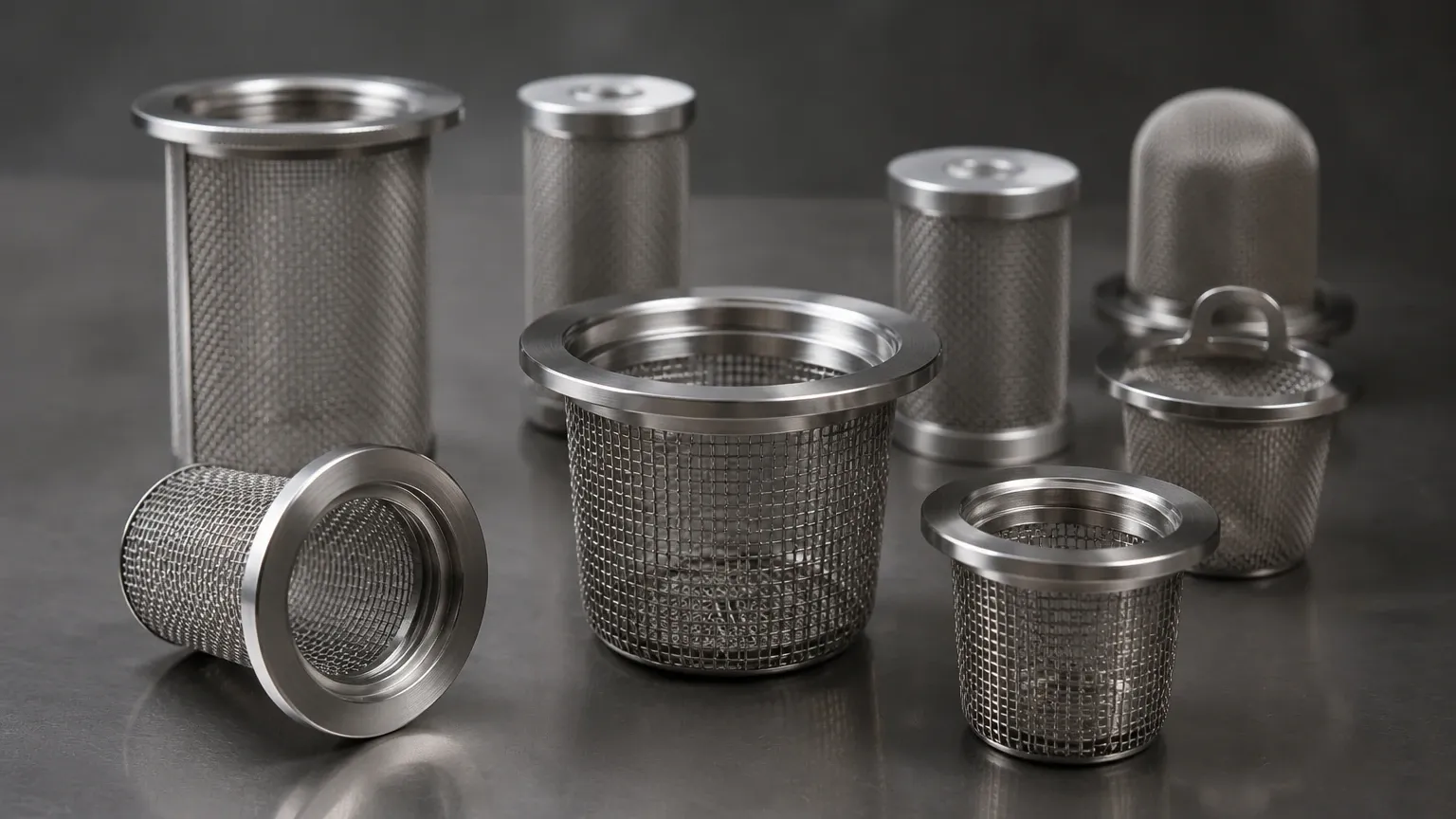
The "strainer 22mm" designation refers to the connection size, but the performance is defined by the internal element. This element is typically a Strainers & Baskets configuration. The filtration accuracy is measured in microns or mesh count.
1. Perforated Screens: Used for coarse filtration, capturing larger debris. These are often used as a support for finer mesh or as a standalone solution for high-flow, low-precision needs.
2. Wire Mesh: For finer filtration, stainless steel wire mesh is layered or pleated. Mesh counts can range from 20 mesh (approx. 900 microns) to 400 mesh (approx. 35 microns).
3. Weave Types: Engineers must choose between plain weave, twill weave, or dutch weave depending on the required flow rate and the physical characteristics of the particles being filtered.
Pressure Drop and Flow Dynamics
Every component added to a piping system introduces a degree of resistance to flow, known as pressure drop (Delta P). For a strainer 22mm, managing this pressure drop is essential for maintaining system efficiency.
A high initial pressure drop indicates that the strainer may be undersized for the flow rate or that the mesh is too fine for the application. Conversely, as the strainer captures debris, the pressure drop will naturally increase. Industrial systems should be equipped with differential pressure gauges to monitor this change. A common rule of thumb is to clean or replace the strainer element once the pressure drop reaches a predetermined limit (often 5-10 psi, depending on the system design).
To minimize pressure drop, manufacturers like Kaifil focus on the internal geometry of the strainer housing and the design of the baskets. A well-designed basket maximizes the available surface area, allowing for longer intervals between maintenance cycles and reducing the energy required by pumps to move fluid through the system.
Common Types of 22mm Strainers
While the 22mm size is specific, the configuration of the strainer can vary based on the installation environment and maintenance requirements.
Y-Strainers
The Y-strainer is the most common type for 22mm lines, particularly in steam or high-pressure gas applications. Its compact, "Y" shaped design allows it to be installed in either horizontal or vertical piping. The primary advantage of the Y-strainer is its ability to handle high pressures; however, it typically has a smaller dirt-holding capacity compared to basket-style strainers.
Basket (Simplex) Strainers
Basket strainers are designed for liquid applications where high flow rates and larger debris loads are expected. The 22mm basket strainer features a vertical cylinder that houses a removable basket. Because the basket is larger than the screen in a Y-strainer, it offers a lower pressure drop and a higher capacity for solids. These are ideal for suction-side pump protection.
Duplex Strainers
In processes that cannot be shut down for cleaning, a duplex strainer system is used. This consists of two separate strainer housings connected by a diverting valve. When one side becomes clogged, the flow is diverted to the clean side, allowing the operator to service the first basket without interrupting the process. While less common in simple 22mm lines, they are vital for continuous chemical or oil filtration processes.
Application-Specific Requirements
The implementation of a strainer 22mm varies significantly across different industrial sectors. Understanding these nuances is essential for procurement and engineering teams.
Chemical and Petrochemical Processing
In these environments, the primary concern is chemical compatibility. The strainer must withstand aggressive solvents and high temperatures without degrading. Precision in the 22mm connection is vital to prevent leaks of hazardous materials. Stainless steel's ability to maintain structural integrity under thermal stress makes it the standard choice here.
Food, Beverage, and Pharmaceuticals
For these industries, the strainer 22mm must meet hygienic design standards. This includes smooth surface finishes (often electro-polished) to prevent bacterial growth and the use of FDA-approved gaskets. The internal baskets must be easily removable for thorough cleaning and sterilization (CIP/SIP processes).
Hydraulic and Lubrication Systems
Hydraulic systems operate under high pressure and require extremely clean oil to prevent damage to servo valves and actuators. A 22mm strainer in a hydraulic return line or suction line ensures that metal shavings or external contaminants do not recirculate through the system, extending the life of the hydraulic fluid and the machinery.
Customization and OEM Solutions
Standard off-the-shelf strainers may not always meet the specific needs of a complex industrial project. This is where custom manufacturing becomes essential. For a strainer 22mm, customization can involve:
* Custom Mesh Configurations: Combining multiple layers of mesh for graded filtration.
* Unique Connection Types: Providing specific threaded (NPT/BSP), flanged, or socket-weld ends to match existing infrastructure.
* Reinforced Baskets: Designing baskets with internal supports to withstand high differential pressures without collapsing.
* Material Certification: Providing full traceability (MTRs) for materials used, ensuring compliance with industry standards like ASME or PED.
Kaifil specializes in these customized solutions, working with engineers to develop filtration components that fit precise spatial and performance constraints. By focusing on the specific challenges of the 22mm interface, custom designs can optimize flow and minimize maintenance downtime.
Maintenance and Total Cost of Ownership
When evaluating a strainer 22mm, it is a mistake to focus solely on the initial purchase price. The total cost of ownership (TCO) includes installation, maintenance labor, replacement parts, and the potential cost of system downtime.
Cleaning Cycles
A durable stainless steel strainer allows for repeated cleaning. Depending on the media, cleaning may involve simple backflushing, ultrasonic cleaning, or chemical soaking to remove stubborn deposits. The ease with which a 22mm basket can be accessed and removed directly impacts labor costs.
Durability vs. Replacement
Lower-quality strainers may suffer from "media migration," where bits of the filter mesh break off and enter the downstream flow, or from housing fatigue. Investing in a high-quality stainless steel Strainers & Baskets solution ensures that the housing lasts the lifetime of the piping system, with only the internal mesh requiring occasional attention.
Common Risks to Avoid
* Incorrect Sizing: Using a 22mm strainer for a flow rate that exceeds its capacity, leading to cavitation or pump damage.
* Bypassing: If the strainer basket is not seated correctly within the housing, fluid will bypass the filtration element entirely, rendering the device useless.
* Material Mismatch: Using 304 stainless steel in a high-chloride environment, leading to rapid failure via stress corrosion cracking.
Conclusion: Selecting the Right 22mm Strainer
The selection of a strainer 22mm is a technical decision that influences the reliability of an entire industrial process. By focusing on material quality, precise filtration ratings, and the specific hydraulic conditions of the application, engineers can ensure optimal protection for their equipment.
Whether the requirement is for a standard Y-strainer in a steam line or a custom-engineered basket strainer for a pharmaceutical grade-fluid, the priority should always be on durability and performance. For those seeking specialized configurations or high-performance stainless steel components, exploring professional Strainers & Baskets options is the recommended next step to ensure that the filtration solution meets the rigorous demands of modern industrial environments.
