


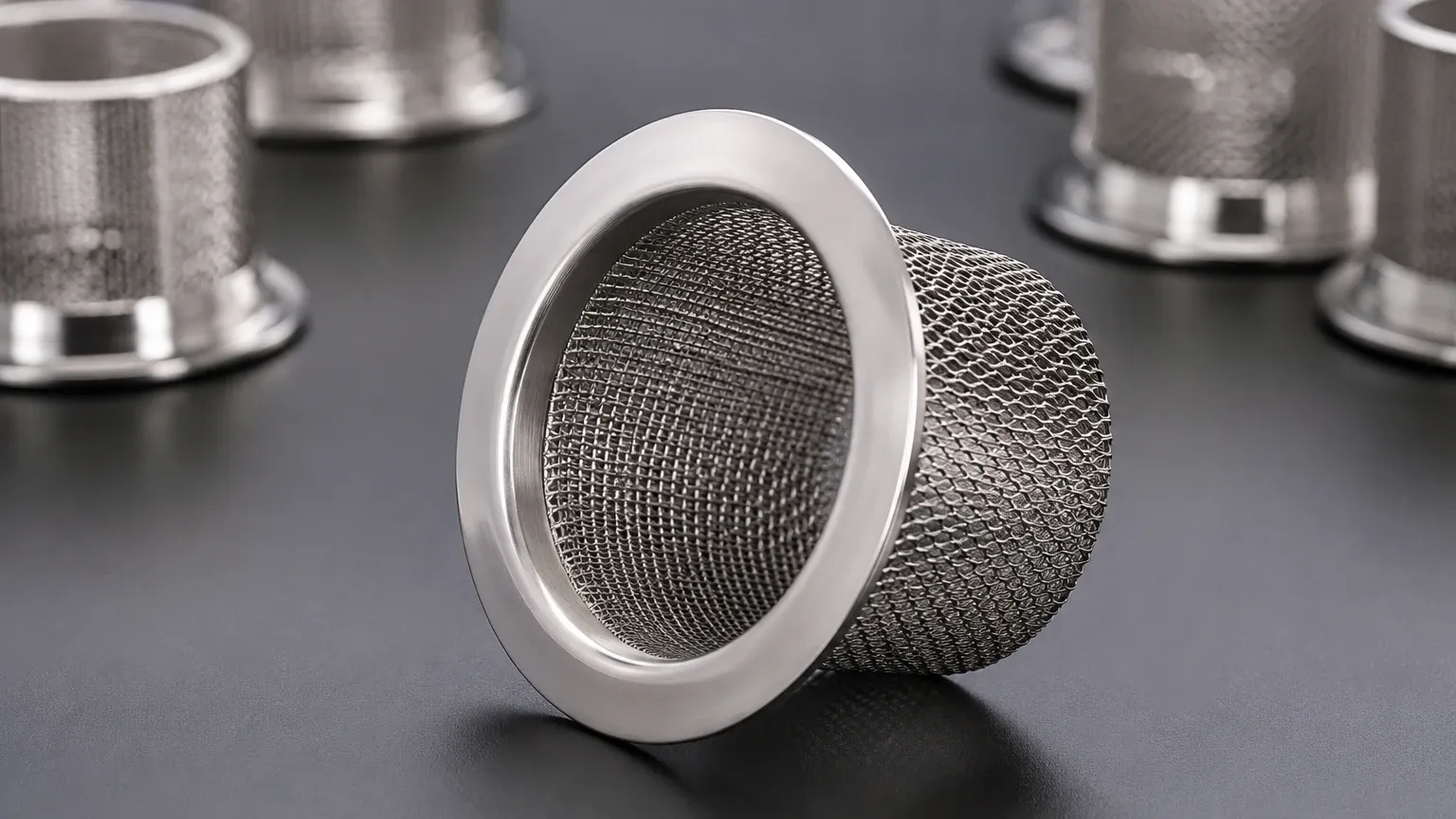
Strainer 63mm
In industrial fluid handling systems, the protection of sensitive downstream equipment—such as pumps, valves, and flow meters—relies heavily on the integration of robust filtration components. The strainer 63mm is a critical specification in many piping systems, often corresponding to a nominal pipe size (NPS) of approximately 2 inches or 2.5 inches, depending on the specific international standard (ISO, DIN, or ANSI) being utilized. These components serve as the first line of defense against particulate contamination, ensuring that debris does not compromise the integrity of the process or the longevity of the machinery.
As a specialized manufacturer, Kaifil provides high-performance Strainers & Baskets designed to meet the rigorous demands of chemical processing, food and beverage production, and hydraulic systems. Understanding the technical nuances of the 63mm strainer size is essential for engineers and procurement teams who must balance flow efficiency with filtration precision.
Understanding the Role of 63mm Strainers in Industrial Piping
The primary function of a strainer 63mm is the mechanical removal of solids from a flowing liquid or gas. Unlike fine filters that may require frequent replacement of disposable cartridges, industrial strainers are typically designed for durability and reuse. They utilize a perforated metal or wire mesh element to intercept particles larger than the specified mesh opening.
In the context of a 63mm diameter system, the flow rates can be substantial. Therefore, the internal geometry of the strainer must be engineered to minimize turbulence and pressure drop. A well-designed 63mm strainer provides a high "open area ratio," which is the ratio of the total area of the holes in the internal element to the cross-sectional area of the inlet pipe. For industrial applications, an open area ratio of at least 4:1 is often preferred to ensure that the system does not experience significant flow restriction as the basket begins to collect debris.
Material Selection and Engineering Standards
Material compatibility is a paramount consideration when selecting a strainer 63mm. Industrial environments often involve corrosive chemicals, high temperatures, or strict hygienic requirements. Kaifil specializes in stainless steel solutions, primarily utilizing Grade 304 and Grade 316L stainless steel.
* Stainless Steel 304: Suitable for general industrial use, providing excellent strength and basic corrosion resistance for water and mild chemical applications.
* Stainless Steel 316L: The preferred choice for marine environments, pharmaceutical manufacturing, and the food and beverage industry. The addition of molybdenum and a lower carbon content enhances resistance to pitting and crevice corrosion, particularly in chloride-rich environments.
Beyond the housing material, the internal wire mesh or perforated plate must be selected based on the required filtration accuracy. For a 63mm strainer, mesh sizes can range from coarse (40 mesh) for primary debris removal to very fine (up to 400 mesh or higher) for precision protection. Engineering teams must confirm that the material of the gasket and seals (such as EPDM, PTFE, or Viton) is also compatible with the process fluid to prevent leaks and contamination.
Key Design Variations: Basket vs. Y-Strainer Configurations
When specifying a strainer 63mm, engineers must choose between different structural configurations based on the installation environment and maintenance requirements. The two most common types are Y-strainers and basket strainers.
Y-Strainers
Named for their "Y" shape, these are typically used in applications where the amount of material to be removed is relatively small. They are compact and can be installed in either horizontal or vertical piping runs. In a 63mm configuration, Y-strainers are often favored for steam, gas, or high-pressure liquid lines where space is at a premium.
Basket Strainers
Basket strainers, also known as pot strainers, feature a vertical cylinder that houses a removable basket. These are generally used in horizontal lines and are designed for applications that require a larger dirt-holding capacity. For a 63mm system, a basket strainer is often the superior choice if the fluid contains a high concentration of solids. The top-loading design allows for easier cleaning and maintenance without the need to drain the entire piping section, provided a bypass or duplex system is in place.
Performance Metrics: Pressure Drop and Filtration Efficiency
The performance of a strainer 63mm is measured by its ability to protect downstream equipment without causing excessive energy loss. The pressure drop (ΔP) across the strainer is influenced by several factors:
1. Fluid Viscosity: Thicker fluids require more force to pass through the mesh, increasing the pressure drop.
2. Flow Velocity: As the velocity of the fluid increases in a 63mm pipe, the resistance offered by the strainer element increases exponentially.
3. Mesh Percent Open Area: A finer mesh provides better filtration but creates more resistance. Engineers must find the optimal balance between the particle size they need to stop and the allowable pressure loss.
4. Clogging Factor: As debris accumulates in the basket, the available flow area decreases. A 63mm strainer should be equipped with differential pressure gauges to alert operators when the pressure drop exceeds a predetermined threshold, indicating that cleaning is required.
Maintenance Protocols for Industrial Strainers and Baskets
To maintain the efficiency of a 63mm filtration system, a regular maintenance schedule is mandatory. Neglecting a clogged strainer can lead to several industrial failures, including pump cavitation, reduced heat exchanger efficiency, and even structural failure of the strainer element due to excessive pressure.
For basket-style strainers, the cleaning process involves depressurizing the line, removing the cover, and lifting out the stainless steel basket. The basket should be cleaned using a high-pressure water jet or a chemical cleaning agent compatible with the material and the contaminants. In critical processes where flow cannot be interrupted, a duplex strainer system is recommended. This setup consists of two 63mm strainer housings connected by a diverting valve, allowing one side to be serviced while the other remains in operation.
Kaifil’s Strainers & Baskets are engineered for ease of service, featuring robust handles and precision-fit seats that ensure the basket remains properly aligned during reinstallation, preventing "bypass" where unfiltered fluid escapes around the edges of the element.
Customization and OEM Solutions for Specialized Applications
Standard off-the-shelf strainers may not always meet the unique requirements of specialized industrial processes. Customization is often necessary regarding connection types, housing dimensions, and filtration media.
For a strainer 63mm, connection options include:
* Flanged Ends: Ideal for high-pressure systems and ease of removal in large-scale industrial plants.
* Threaded Ends: Common in smaller, lower-pressure systems where a compact footprint is required.
* Socket Weld or Butt Weld: Used in applications where leak prevention is critical, such as in the handling of hazardous chemicals.
Kaifil provides OEM services to develop customized 63mm filtration components. This includes modifying the basket design to include magnetic inserts for capturing fine ferrous particles or reinforcing the mesh with a perforated metal backup to withstand high-pressure surges. By working closely with global customers, Kaifil ensures that the final product aligns with the specific flow dynamics and environmental conditions of the application.
Technical Considerations for Purchasing Teams
When procuring a strainer 63mm, it is vital to provide the manufacturer with a comprehensive set of data to ensure the component is fit for purpose. Technical professionals should confirm the following before finalizing an order:
* Maximum Operating Pressure and Temperature: Ensure the housing and seals can withstand the peak conditions of the system.
* Nature of the Contaminant: Is the debris organic, metallic, abrasive, or fibrous? This dictates the mesh type and material hardness required.
* Flow Rate (GPM or m³/h): This confirms if a 63mm size is sufficient to maintain the required flow without excessive velocity.
* Filtration Target: Define the micron rating or mesh size based on the smallest particle that could damage downstream components.
By addressing these factors, purchasing teams can avoid the total cost of ownership issues associated with frequent replacements or system downtime caused by inadequate filtration. High-quality stainless steel strainers represent a long-term investment in the reliability of industrial infrastructure.
For more information on technical specifications and custom design options, explore the full range of Strainers & Baskets available for modern industrial applications.
